
TL;DR
- Coordinate character abilities strategically – Low’s bow for range, Alone’s wrench for close combat
- Keep weapons holstered when not needed to maintain full mobility and interaction capabilities
- Systematically scan environments for breakable walls, hidden switches, and climbable surfaces
- Use the AI hint system when stuck rather than wasting time on trial-and-error approaches
- Prioritize progression over collectibles and maintain patience during stealth boss encounters
Elevate your survival chances in Little Nightmares 3 by mastering the complementary abilities of both protagonists. Success in The Nowhere demands strategic coordination between Low’s ranged capabilities and Alone’s brute strength, whether you’re playing cooperatively or navigating solo with AI assistance.
This Little Nightmares 3 character mastery guide reveals how to leverage both heroes’ unique skills to overcome the terrifying challenges of Carnivale, Necropolis, and the deceptively dangerous Candy Factory. Understanding character synergy transforms frustrating obstacles into manageable challenges through proper ability allocation.
From environmental puzzles to enemy encounters, here are advanced techniques for maximizing your dual-character effectiveness throughout the nightmare journey.
Whether experiencing Little Nightmares 3 cooperatively or tackling it solo, remember that progression depends on utilizing both characters’ specialized tools. Strategic thinking extends beyond your immediate capabilities to include what your partner can accomplish. This becomes particularly crucial in solo mode, where the AI companion typically requires explicit commands to employ their unique abilities.
Here’s an in-depth breakdown of character capabilities in Little Nightmares 3:
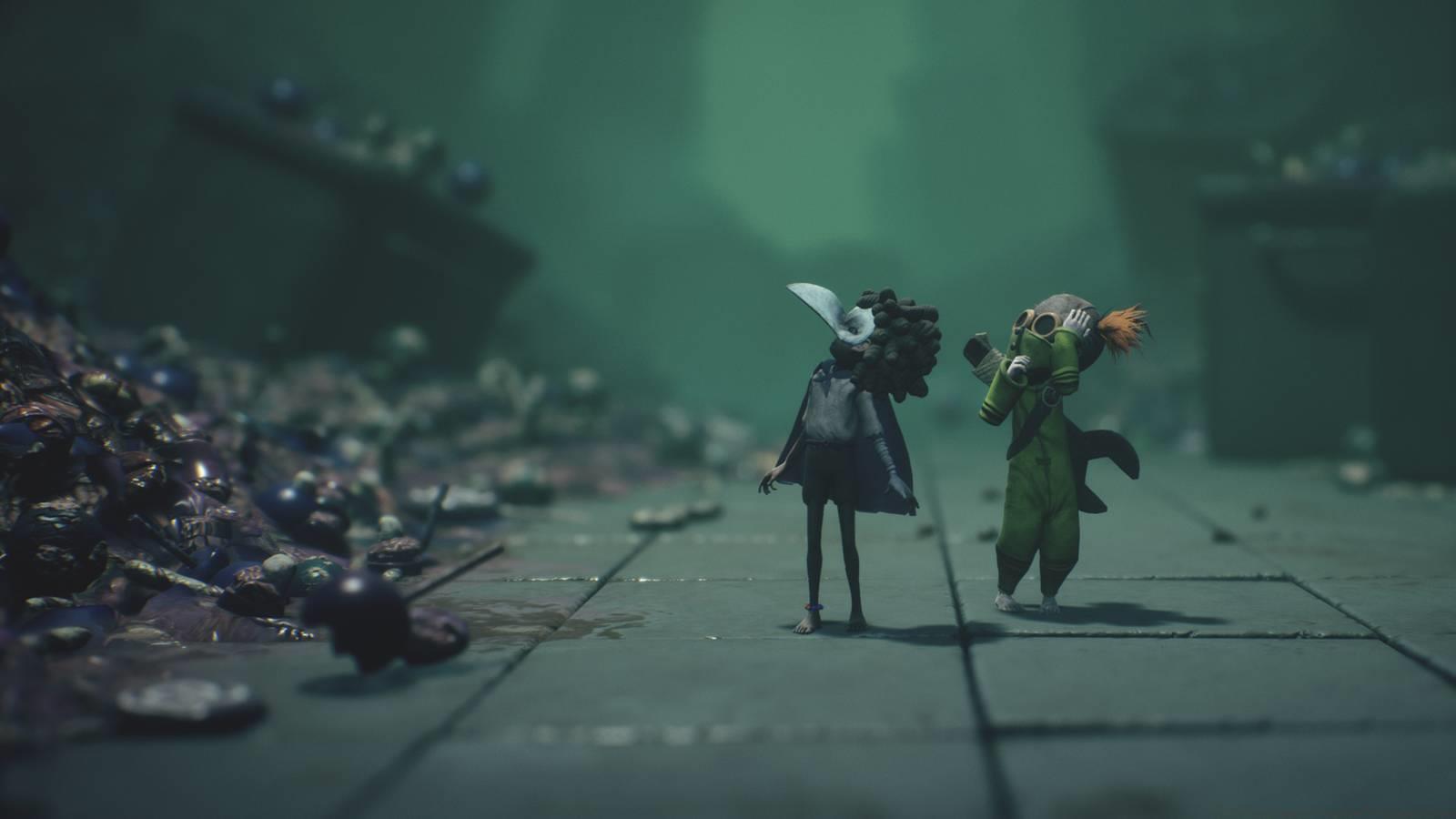
Maintaining proper weapon discipline significantly impacts your mobility and interaction capabilities throughout Little Nightmares 3. With your weapon actively equipped, you sacrifice essential movement functions including sprinting, jumping, and object manipulation, potentially turning straightforward navigation into impossible challenges.
Therefore, unless confronting immediate threats or solving weapon-dependent puzzles, consistently holster your implement—whether Low’s archery equipment or Alone’s demolition tool—to preserve full environmental interaction capacity.
Weapon deployment controls vary by platform: press F on keyboard, B on Xbox controller, Circle on PlayStation controller, or A on Nintendo controller to toggle between armed and ready states. Advanced players develop the reflex to holster immediately after completing weapon-specific tasks, minimizing movement impairment.

Image: Supermassive Games/Bandai Namco Entertainment via Polygon
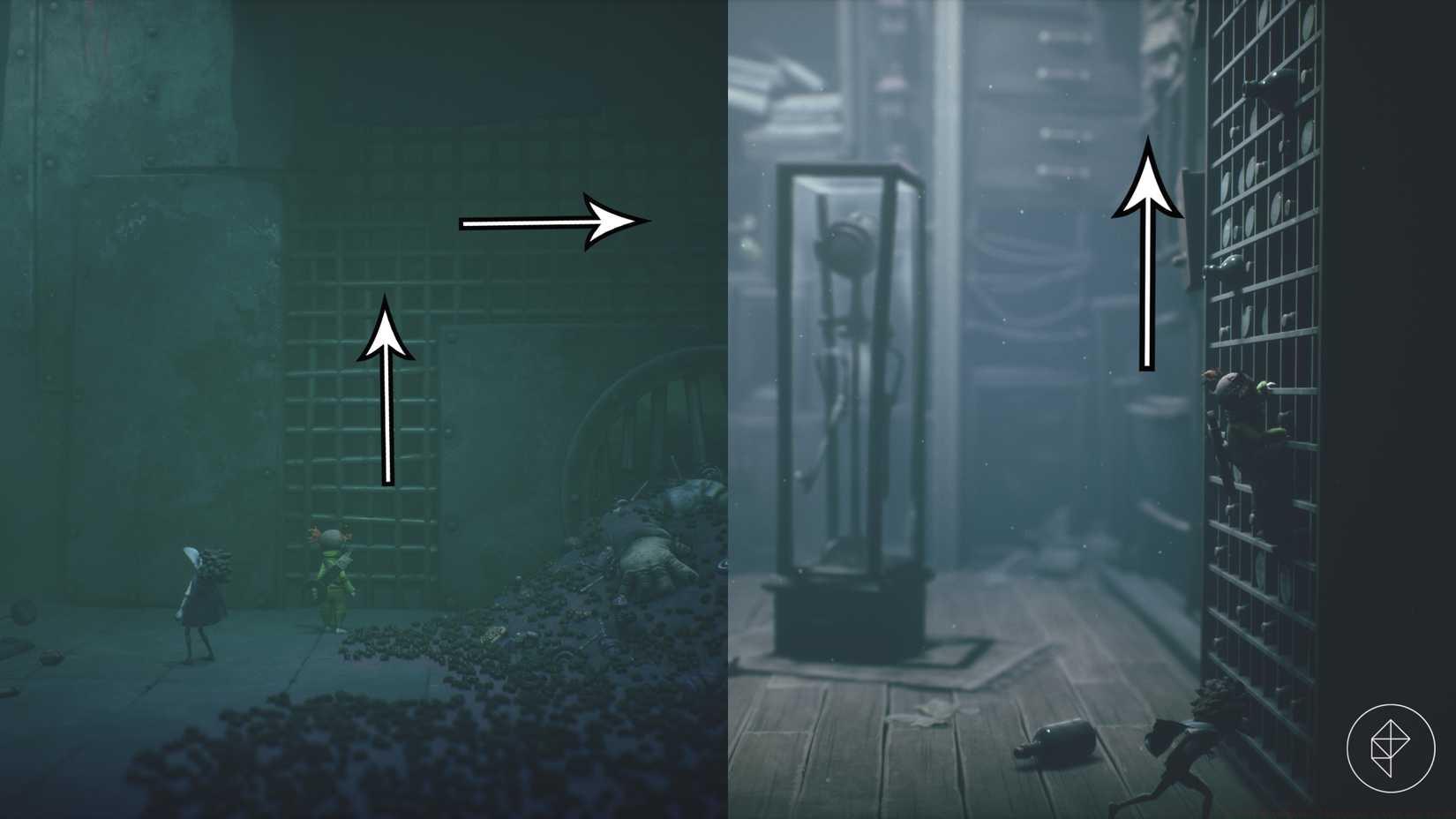
Experiencing progression blocks represents normal gameplay in Little Nightmares 3, though solutions typically prove more straightforward than initially apparent. When visible egress points appear absent, conduct methodical environmental scans for destructible surfaces, concealed activation mechanisms, and interactive elements.
Here’s a systematic approach to environment investigation that experienced players employ:
Begin with vertical scanning—examine ceilings and high walls for grapple points, suspended platforms, and elevated pathways that might require Low’s archery skills. Progress to horizontal assessment, searching for discolored wall sections, cracked surfaces, or slightly protruding elements indicating breakable barriers for Alone’s wrench. Finally, investigate floor-level details including barely-visible pressure plates, movable objects, and crawl spaces obscured by shadows.
Seasoned players recommend a three-pass scanning technique: first for obvious interactives, second for subtle environmental anomalies, and third for audio cues that might indicate hidden mechanisms. This methodical approach prevents overlooking critical progression elements while maintaining immersion in the haunting atmosphere.
Graphic: Marloes Valentina Stella/Polygon | Source images: Supermassive Games/Bandai Namco Entertainment via Polygon
Implementing structured puzzle-solving methodologies dramatically reduces frustration and time investment throughout Little Nightmares 3’s challenging environments. When confronted with seemingly insurmountable obstacles, employ a verification checklist to identify overlooked solutions and interaction possibilities.
Your comprehensive puzzle assessment should include: character ability compatibility verification, environmental element interactivity testing, hidden mechanism detection, alternative pathway exploration, and temporal sequence evaluation. Methodically addressing each category ensures no potential solution remains unexplored.
Common oversight patterns include: failing to utilize both characters’ abilities in tandem, missing subtle visual cues indicating interactivity, overlooking sequential puzzle dependencies, and underestimating vertical space utilization. Recognizing these frequent player mistakes accelerates problem-solving and prevents unnecessary stagnation.
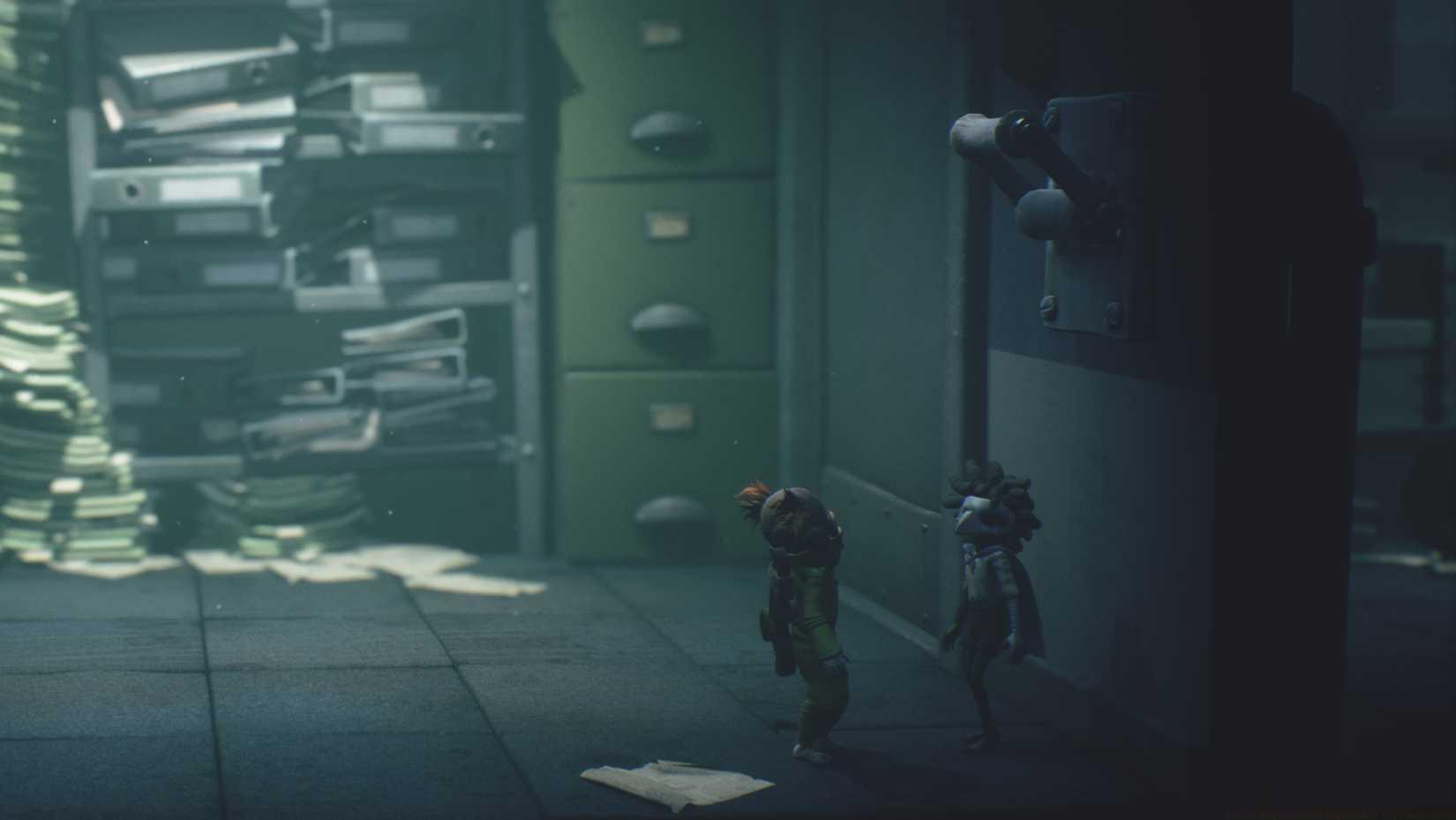
Image: Supermassive Games/Bandai Namco Entertainment via Polygon
When progression halts despite thorough environmental investigation, leverage the integrated assistance system rather than persisting with unproductive trial-and-error approaches. The game’s hint mechanism provides contextual guidance tailored to your current obstacle, offering direction without completely revealing solutions.
In solo gameplay scenarios, remember that AI companions typically require explicit instruction to employ their specialized abilities. Strategic command issuance becomes essential for puzzles demanding character collaboration. Develop the habit of regularly assessing whether your current approach utilizes both characters’ capabilities effectively.
Advanced players utilize the hint system as a progression pacing tool—attempting independent problem-solving for appropriate periods before accessing guidance to maintain momentum. This balanced approach preserves the satisfaction of personal discovery while preventing excessive frustration from prolonged stagnation.
For those seeking comprehensive gaming strategies beyond Little Nightmares, our Complete Guide to Battlefield 6 offers extensive tactical frameworks applicable across various game genres.
Throughout your journey in The Nowhere, you’ll encounter numerous collectible items and interactive elements that may distract from primary objectives. While exploration rewards curiosity, progression should remain your priority—particularly during initial playthroughs or challenging sections.
Experienced players recommend distinguishing between essential progression items and optional collectibles, focusing primarily on narrative-advancing elements during tense sequences or time-sensitive scenarios. This prioritization prevents unnecessary risk exposure and maintains narrative momentum.
Implementation involves quick assessment of item functionality: objects directly enabling environment traversal or puzzle completion take precedence, while cosmetic collectibles and lore-expanding elements can be revisited during safer moments or subsequent playthroughs.
For players interested in weapon mechanics across different games, our Weapons Unlock guide for BF6 provides insights into strategic equipment selection that can inform your approach to tool utilization in Little Nightmares 3.
Confronting the monstrous inhabitants of The Nowhere demands strategic patience and observational skills rather than confrontational approaches. These encounters typically emphasize evasion, environmental manipulation, and timing over direct combat.
Successful boss navigation involves: thorough pattern observation before action, strategic positioning utilizing environmental cover, calculated movement during vulnerability windows, and understanding the specific mechanics governing each encounter. Rushing these sequences almost guarantees repeated failure.
Stealth positioning proves particularly crucial—utilize shadowy areas, visual obstructions, and auditory distraction techniques to avoid detection while progressing toward objectives. Each boss features unique behavioral patterns and environmental interactions that can be leveraged to your advantage.
Patience extends beyond simple waiting; it involves active observation, pattern recognition, and strategic timing. The most successful players treat boss encounters as complex puzzles requiring methodical solving rather than reaction tests.
For those interested in character specialization strategies, our Class Guide for BF6 explores ability optimization approaches that parallel the character synergy concepts essential in Little Nightmares 3.
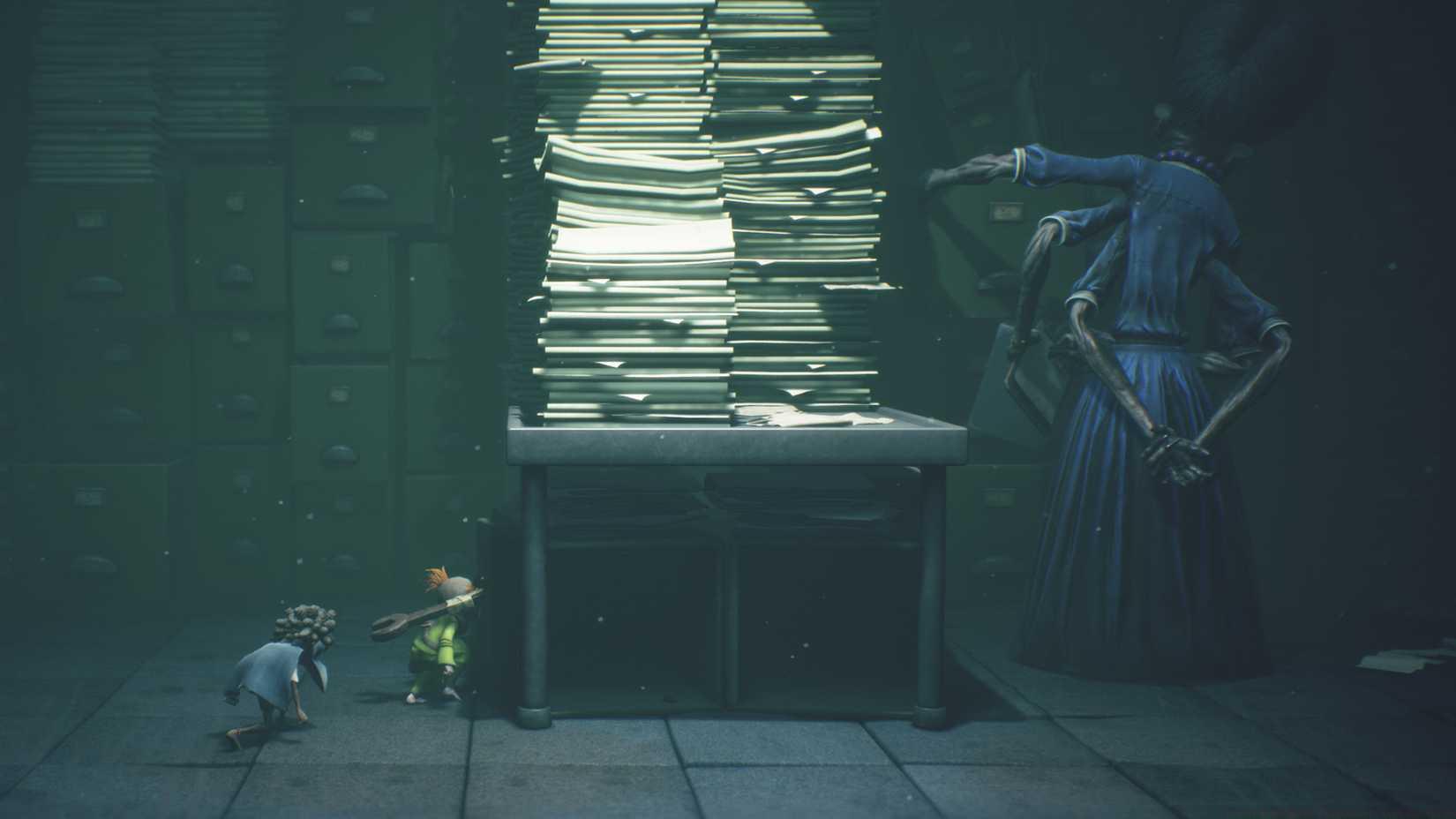
Image: Supermassive Games/Bandai Namco Entertainment via Polygon
Action Checklist
- Analyze each puzzle for both character ability requirements before attempting solutions
- Practice weapon holstering reflex after completing weapon-dependent tasks
- Implement three-pass environment scanning (vertical, horizontal, detail) in stuck situations
- Utilize AI hint system after 5-7 minutes of unsuccessful independent puzzle solving
- Master boss pattern recognition through observation before action phases
No reproduction without permission:SeeYouSoon Game Club » Little Nightmares 3 beginner’s tips and tricks Master Little Nightmares 3 with essential strategies for puzzles, combat, and survival in The Nowhere