
TL;DR
- Kair0n- rates CS2 at 7/10, citing peeker’s advantage and persistent boost bugs as major issues
- BetBoom Team shows promising 6-7/10 performance despite Kair0n-‘s critical 3-4/10 self-assessment
- Nafany’s expressive leadership style reflects double responsibility pressure during team crises
- Cultural coaching differences led to innersh1ne’s departure despite strategic expertise
- Professional esports requires balancing technical skill with mental resilience and team dynamics
Games and Esports Articles CS 2
BetBoom Team professional Aleksandr “KaiR0N-” Anashkin provided exclusive insights during our coverage at BB Dacha Belgrade 2024. The rising star discussed Vladislav “nafany” Gorshkov’s leadership temperament, confessed to excessive self-criticism affecting his gameplay, and detailed the strategic reasoning behind parting with former FaZe Clan analyst Vyacheslav “innersh1ne” Britvin following his coaching debut with the organization.
— What’s your professional evaluation of CS2’s current competitive state?
— I’d position the game at approximately 7 out of 10 currently. The development trajectory shows gradual improvement, yet the persistent peeker’s advantage creates fundamental gameplay imbalances. Maintaining stationary positions becomes strategically disadvantageous against aggressive opponents who leverage movement mechanics.
The boost positioning glitch represents another significant technical concern: when mounting a teammate’s shoulders, players frequently experience gradual sliding descent. This persistent issue has existed since launch, and the development team’s inability to resolve it remains puzzling. This frustrating bug significantly alters round outcomes by compromising key positioning strategies that professional teams rely on. Beyond these specific technical problems, the overall gameplay framework functions adequately for competitive purposes.
— As the competitive season’s initial phase concludes, how do you assess individual and collective performance metrics?
— My personal contribution warrants only 3-4/10 assessment, while team coordination achieves 6-7/10 rating. Our squad demonstrated respectable teamwork despite several frustrating competitive defeats. The FlyQuest match at EPL S19 serves as prime example – we outperformed them on Vertigo, their designated map selection. Victory was within strategic reach yet ultimately unattained. This performance gap explains my conservative rating approach, as our potential ceiling remains substantially higher than current execution levels.
— Does post-match analysis and mistake reflection dominate your competitive mindset?
— Regrettably, self-evaluation dominates my post-competition routine. This represents one of my primary psychological challenges in professional gaming. I hyper-focus on personal performance failures while maintaining supportive perspective toward teammates’ errors. However, my own strategic missteps carry disproportionate mental weight, particularly when critical round decisions potentially determine match outcomes.
My natural temperament leans toward excessive self-critique. During live competition, recognizing an individual mistake often triggers immediate assumption of match responsibility. Subsequent video review frequently reveals collective performance issues rather than individual failures, yet personal errors create the most lasting psychological impact.
— Can you provide specific examples of these critical moments?
— Several disastrous performances remain etched in competitive memory. The most recent involved our Eternal Fire encounter during the RMR qualifier tournament. Our team collapsed comprehensively, suffering decisive defeat without competitive response. These catastrophic experiences paradoxically fuel subsequent improvement, representing psychological turning points where mental resilience supersedes technical performance.
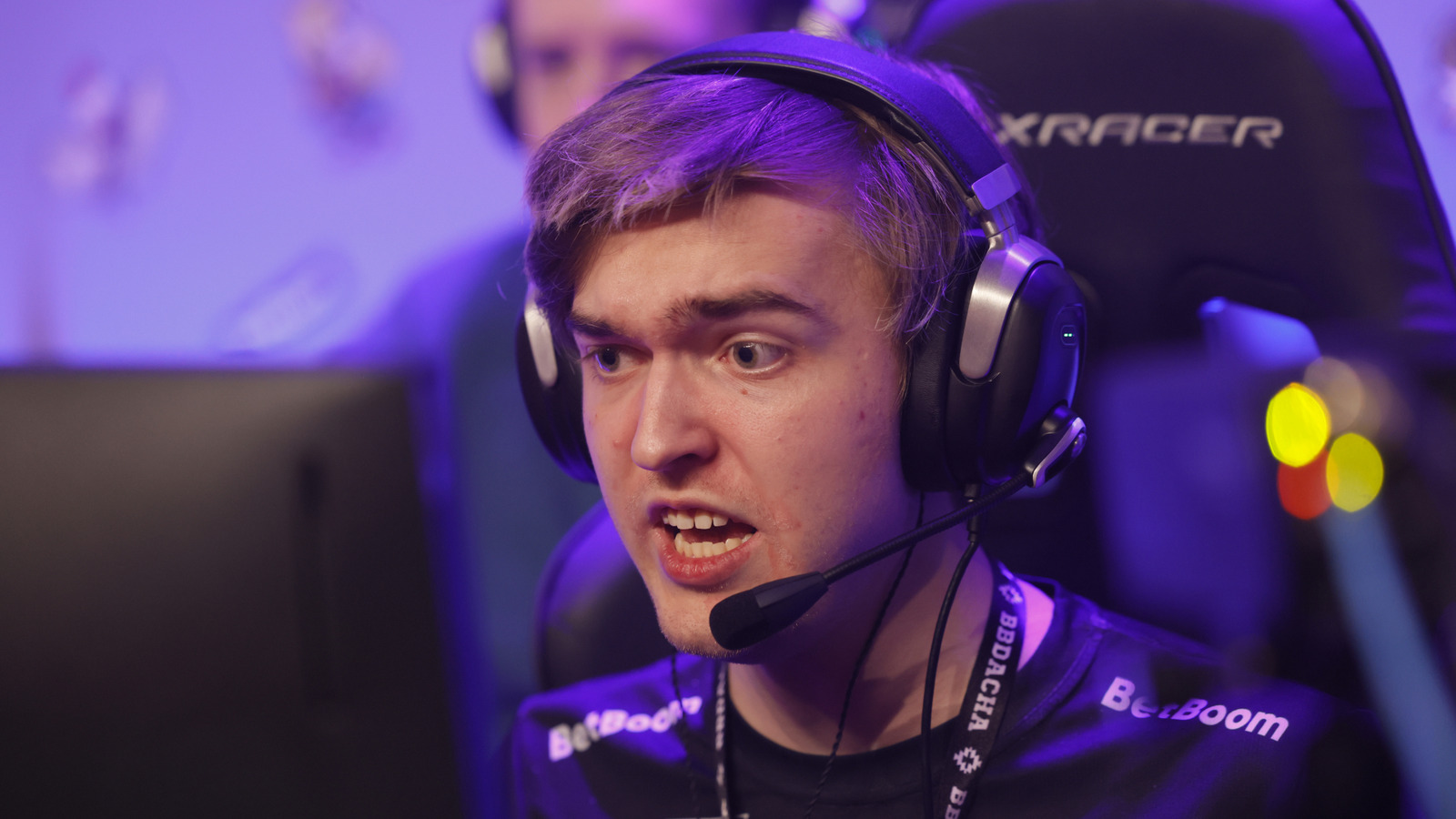
— Observers noted nafany displaying visible frustration, elevating vocal intensity during RMR competition. What triggered this emotional response?
— Vlad possesses naturally expressive communication style. I wouldn’t categorize this as problematic behavior but rather inherent personality trait. He actively works on emotional regulation, demonstrating significant recent improvement. I cannot recall his last vocal escalation during official tournament match.
As team captain, he bears ultimate responsibility for strategic direction. During that specific period, our organization faced competitive crisis, amplifying Vlad’s leadership burden exponentially. This pressure environment triggered understandable emotional reactions. I’m confident future development will channel this expressive energy into competitive advantages through post-round celebrations and strategic communication.
Regular player underperformance affects individual mentality, but in-game leadership failures deliver compounded psychological impact. The IGL shoulders responsibility for strategic decisions leading to unfavorable outcomes. I maintain unwavering support without assigning blame for natural leadership challenges.
— Your organization recently separated from coach innersh1ne despite previous praise for his strategic contributions. What factors influenced this organizational decision?
— My perspective suggests innersh1ne operates with European competitive mentality. He demonstrates exceptional tolerance levels yet sometimes struggles resolving conflict situations arising during training sessions and official matches. Professional competitors collaborating daily inevitably develop divergent perspectives on strategic approaches. These philosophical differences generate competitive tensions that Slava occasionally couldn’t mediate effectively.
European Counter-Strike environments handle disagreements more diplomatically. Innersh1ne lacked preparedness for CIS region’s direct communication style. His recent experience with CIS organization provides valuable cultural adaptation training. Should he return to European coaching, I’m confident he’ll achieve significant success.
Potential CIS region success remains plausible given his distinctive strategic intellect. The primary developmental area involved establishing appropriate authority boundaries. Like many professionals, he engaged in constructive self-evaluation. I anticipate positive career trajectory given his continuous improvement mindset and interpersonal qualities.
This exclusive discussion occurred at BB Dacha preceding tournament commencement. Additional participant interviews included Team Spirit captain chopper, who disclosed that nafany’s former teammate sh1ro modified his in-game communication methodology.
Chopper: “Sh1ro contributed to my captaincy a lot. He shared his vision of the game”
Praises his young teammates for their confidence.
Action Checklist
- Implement structured post-match analysis sessions focusing on collective rather than individual performance
- Develop emotional regulation techniques for in-game leadership pressure management
- Create cross-cultural communication protocols for international coaching staff
- Establish team crisis response procedures to mitigate leadership burden during difficult periods
- Balance strategic tolerance with decisive authority in coaching methodologies
No reproduction without permission:SeeYouSoon Game Club » Kair0n-: “The team was in crisis, and nafany felt double responsibility. Because of this, he was losing his temper”Exclusive Kair0n- reveals team dynamics, nafany's leadership struggles, and CS2 gameplay challenges in exclusive interview