
TL;DR
- Build Logging Camps immediately near forests with road access to prevent timber shortages
- Demolish non-essential structures strategically to reclaim timber during emergency situations
- Manage workforce allocation carefully to balance timber production with other settlement needs
- Plan settlement expansion around sustainable wood resource management from day one
- Use the 2-timber requirement for Logging Camps as your emergency recovery benchmark
Games and Esports Articles
Timber represents one of the most vital foundational resources during the initial phases of establishing your Manor Lords settlement. Many new players encounter the frustrating scenario where they exhaust their starting wood supplies before establishing proper production infrastructure. While the game provides warnings about potential resource depletion, these alerts can be overlooked amid the complexity of early-game decision-making. This comprehensive guide delivers proven methodologies for maintaining consistent timber access and implementing recovery protocols when supplies diminish unexpectedly.
Effective wood management requires understanding the delicate balance between consumption and production timelines. The critical window for establishing timber production occurs within your first few settlement years, making prompt action essential. Delayed construction of production facilities often leads to development bottlenecks that can stall your entire economic progression for multiple in-game seasons.
What building produces timber?
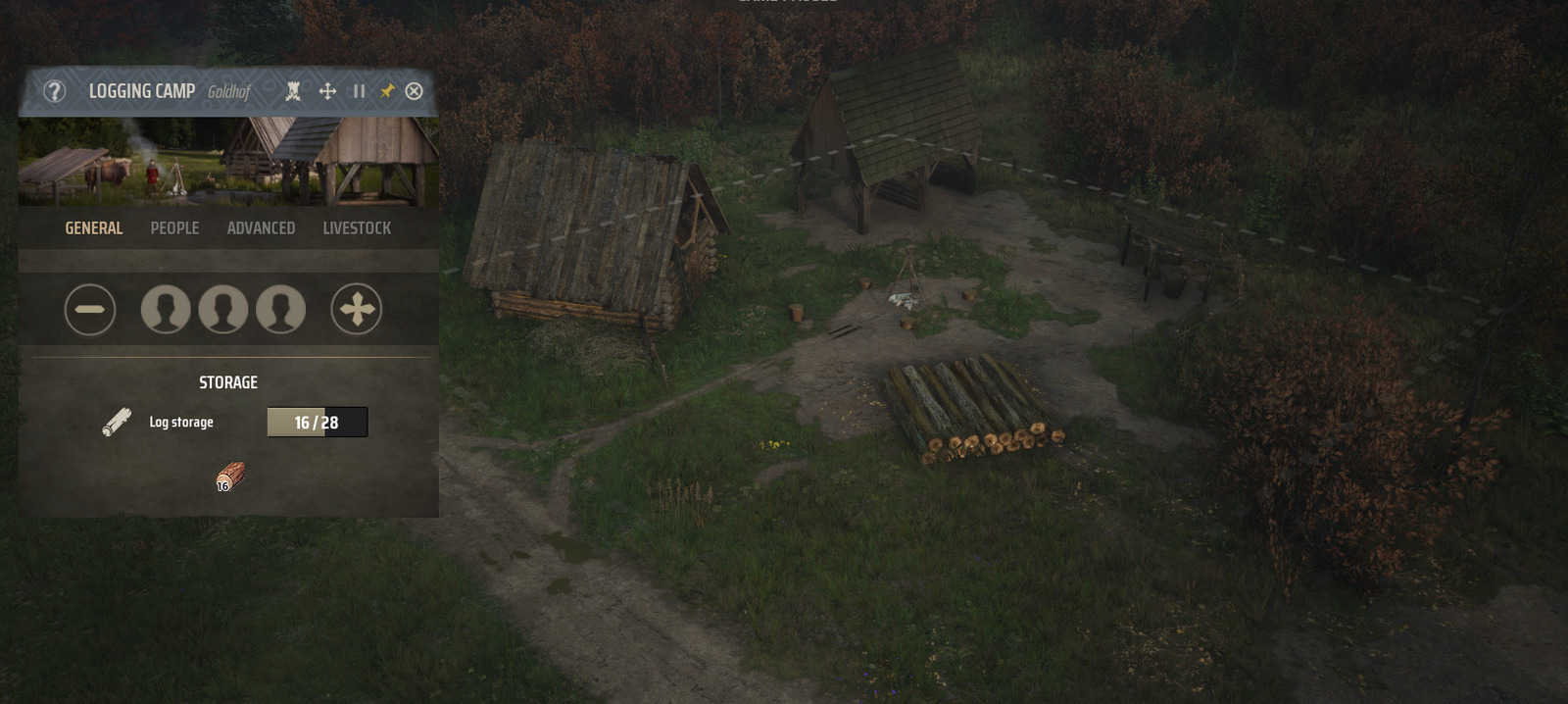
The Logging Camp serves as your primary timber production facility, transforming felled trees into usable construction materials through a multi-stage processing workflow. Strategic placement significantly impacts operational efficiency—position camps adjacent to dense forest regions while ensuring direct road connectivity for transport optimization. Consider clustering wood-dependent structures like the Woodcutter’s Lodge and Sawpit within proximity to minimize transportation time and maximize production output.
Optimal workforce allocation represents another critical success factor. Assigning a single family to a Logging Camp typically processes approximately 4-6 timber units per month under standard conditions, though this varies based on forest density and distance from storage facilities. During winter months, anticipate production reductions of 30-50% due to seasonal workforce limitations and operational constraints.
For comprehensive settlement development strategies, consult our Complete Guide to foundational building sequences and resource allocation principles that complement your timber management approach.
What to do if I don’t have Timber?
When timber depletion occurs before establishing production capacity, you face a critical decision point with two primary recovery pathways. If this scenario unfolds during your initial settlement year, restarting represents a viable option with minimal time investment loss. However, for established settlements, strategic demolition offers the only practical solution for resource reclamation.
Structure demolition returns a percentage of original construction materials—typically 50-75% depending on building type and condition. Always verify precise return values within the construction interface before initiating demolition, as these calculations directly impact your recovery strategy effectiveness. Fortunately, the Logging Camp’s modest 2-timber construction cost makes it an achievable recovery target even from severely depleted resource situations.
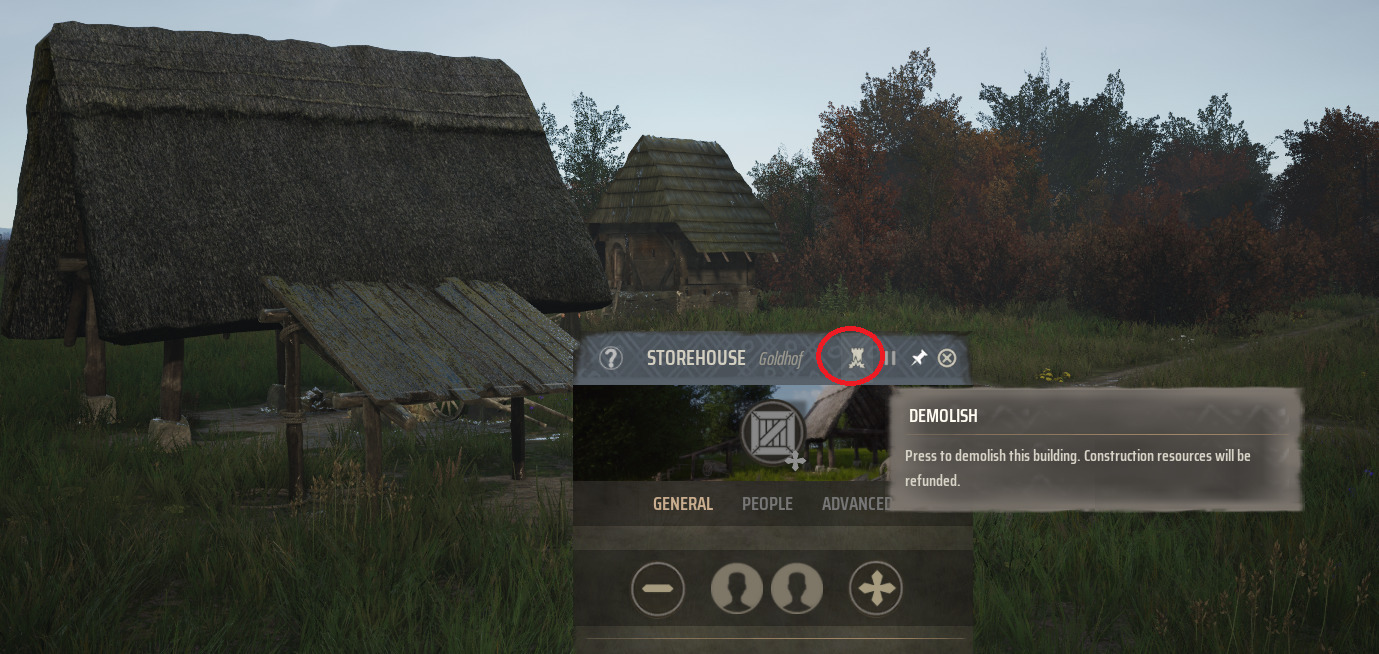
Prioritize demolition of non-essential or redundant structures first, preserving critical infrastructure like housing and food production facilities. This calculated approach to resource reclamation enables recovery without compromising your settlement’s fundamental operational capabilities. For weapon-specific strategies that complement resource management, explore our Weapons Unlock guide for complementary gameplay insights.
Beyond emergency recovery scenarios, implementing proactive forest management significantly enhances long-term timber sustainability. Establish dedicated forestry zones with rotational harvesting schedules to prevent clear-cutting and ensure continuous regrowth. Monitor tree density indicators within forest regions to anticipate production declines before they impact your construction timelines.
Develop a timber reserve system by maintaining a buffer stock of 10-15 units above immediate construction requirements. This precautionary reserve provides crucial flexibility for unexpected building needs or production interruptions without triggering emergency measures.
Advanced players should consider timber trading opportunities once regional trading posts become available. While initially expensive, establishing trade routes for timber can bridge production gaps during settlement expansion phases. For character-specific strategies that integrate with resource management, our Class Guide offers additional gameplay optimization insights.
Implementing these comprehensive wood management strategies transforms timber from a constant concern into a reliably managed resource, enabling smoother settlement progression and more ambitious construction projects.
Action Checklist
- Construct Logging Camp within first settlement year near dense forests with road access
- Assign 1-2 families to timber production based on current construction demands
- Maintain minimum timber reserve of 10 units for emergency buffer
- Implement seasonal production planning with reduced winter expectations
- Establish demolition priority list for emergency resource recovery scenarios
No reproduction without permission:SeeYouSoon Game Club » How to get wood for construction in Manor Lords? What to do if you have no timber? Master wood management in Manor Lords with strategic logging and recovery tactics for sustainable settlement growth