
TL;DR
- Cloth is essential for mid-game armor crafting and requires defeating Beatrice the Tailor to unlock the Loom
- The Loom requires 20 planks, 12 copper ingots, and 4 wool thread to construct at your castle
- Crafting cloth requires 9 plant fibre and 3 leather per piece at the Loom station
- Dunley Farmlands offer abundant cloth drops from chests and destroyable containers
- Crafting is more reliable than farming for consistent cloth production
Cloth represents a pivotal mid-game crafting material in V Rising that becomes essential for progressing beyond basic equipment. As you advance through the vampire survival experience, you’ll quickly discover that initial resources become insufficient for castle development and advanced gear creation.
This textile resource serves as the foundation for crafting superior armor sets that significantly boost your gear score. Transitioning to mid-game content demands reliable access to cloth for creating protective gear capable of handling more challenging boss encounters. Without adequate cloth supplies, your progression will stall, making this one of the most critical resources during the 30-50 level range.
Understanding cloth’s role in the crafting hierarchy helps prioritize resource allocation and ensures smooth advancement through V Rising’s tiered content system.
The primary method for obtaining cloth involves constructing the Loom station, which requires defeating a specific V Blood carrier. Beatrice the Tailor, a level 38 boss located in Dawnbreak Village, guards the blueprint knowledge needed for this essential crafting station.
Dawnbreak Village sits on the eastern map region, positioned west of the formidable Hallowed Mountains. This settlement contains both the boss encounter and valuable resources needed for subsequent crafting operations.
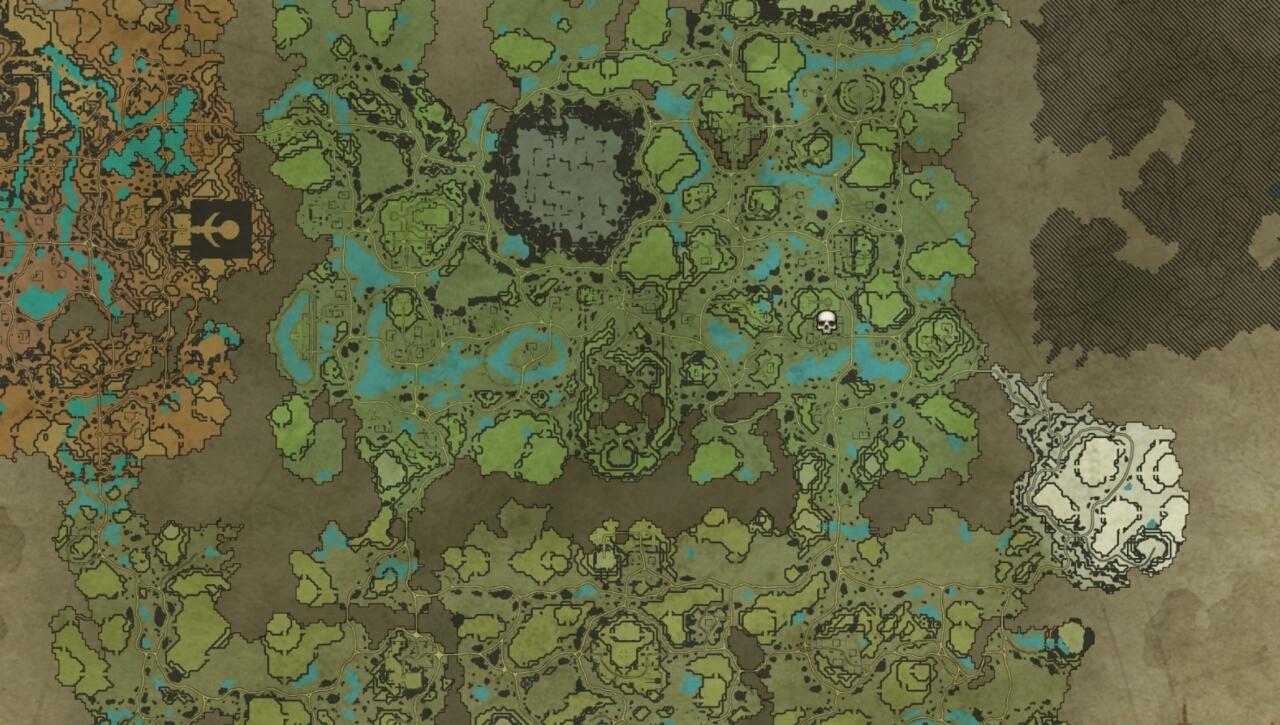
Beatrice’s location is marked by the skull on the map, providing clear navigation to this essential boss encounter.
Successfully vanquishing Beatrice immediately grants the Loom blueprint, eliminating any additional research requirements. This straightforward acquisition method makes cloth accessibility predictable once you reach the appropriate power level.
Building the Loom demands specific materials: 20 planks, 12 copper ingots, and 4 wool thread. Planks come from processing lumber at the Sawmill, while copper ingots require smelting copper ore in the Furnace.
Wool thread presents the most challenging component to acquire initially. This material predominantly spawns inside chests and building interiors throughout Dunley Farmlands. The village containing Beatrice typically houses several wool thread deposits, making strategic looting during your boss assault highly efficient.
Once constructed, cloth production requires combining 9 plant fibre with 3 leather at the Loom interface. Plant fibre gathers easily from vegetation across all regions, while leather comes from processing animal hides at the Tannery station.
The crafting process transforms these raw materials into finished cloth, providing a reliable manufacturing pipeline independent of random world drops. This systematic approach ensures consistent armor progression without reliance on luck-based acquisition.
For players preferring direct acquisition over crafting, Dunley Farmlands offers abundant cloth sources. This northern agricultural region contains numerous chests, crates, and destructible containers housing cloth among other valuable resources.
Systematic farming routes through farmstead complexes yield the highest cloth returns. Concentrate on buildings with multiple containers rather than random wilderness exploration for optimized time investment.
However, farming efficiency significantly trails behind crafting consistency. Random drop rates and limited spawn refreshes make crafting the superior long-term strategy for bulk cloth requirements during extended play sessions.
Strategic players often combine both methods: crafting for baseline needs while gathering incidental cloth during other farming activities. This hybrid approach maximizes resource accumulation while minimizing dedicated farming time.
Seasoned V Rising players optimize cloth production through strategic resource stockpiling. Pre-farming wool thread during initial Beatrice reconnaissance eliminates return trips and accelerates Loom construction.
A common mistake involves underestimating plant fibre requirements—maintain at least 50-100 fibre reserves to support continuous cloth manufacturing sessions.
Advanced preparation includes establishing efficient farming routes for leather sources before Loom access. This foresight ensures immediate cloth production capability once the station becomes available.
For comprehensive gear progression guidance, consult our Complete Guide covering all essential systems. Weapon enthusiasts should explore the detailed Weapons Unlock strategies, while class optimization details appear in our Class Guide for specialized builds.
Time investment varies: defeating Beatrice takes 15-25 minutes for prepared players, while Loom construction requires another 10-15 minutes gathering time. Efficient cloth crafting then produces approximately 10 pieces every 5 minutes with proper resource stockpiling.
Action Checklist
- Gather wool thread from Dunley Farmlands chests before battling Beatrice
- Defeat Beatrice the Tailor (level 38) in Dawnbreak Village
- Construct Loom with 20 planks, 12 copper ingots, and 4 wool thread
- Stockpile 50+ plant fibre and 20+ leather for sustained crafting
- Craft cloth batches of 10+ pieces for efficient armor production
No reproduction without permission:SeeYouSoon Game Club » How To Get Cloth In V Rising Master cloth acquisition in V Rising through crafting and farming strategies for mid-game progression