
TL;DR
- Snails only spawn during rain on rocks and shrubs, available year-round
- Use slow, deliberate approach with net to prevent scaring them away
- Sell to Flick for 375 bells (150% value) instead of Nook’s Cranny
- Check multiple island locations and create optimal spawn environments
- Combine snail hunting with other rare bug collection for efficiency
Capturing snails in Animal Crossing requires understanding specific environmental triggers that govern their appearance. Unlike most insects that appear freely, snails belong to a specialized category of creatures with unique weather-dependent spawning mechanics that demand strategic planning.
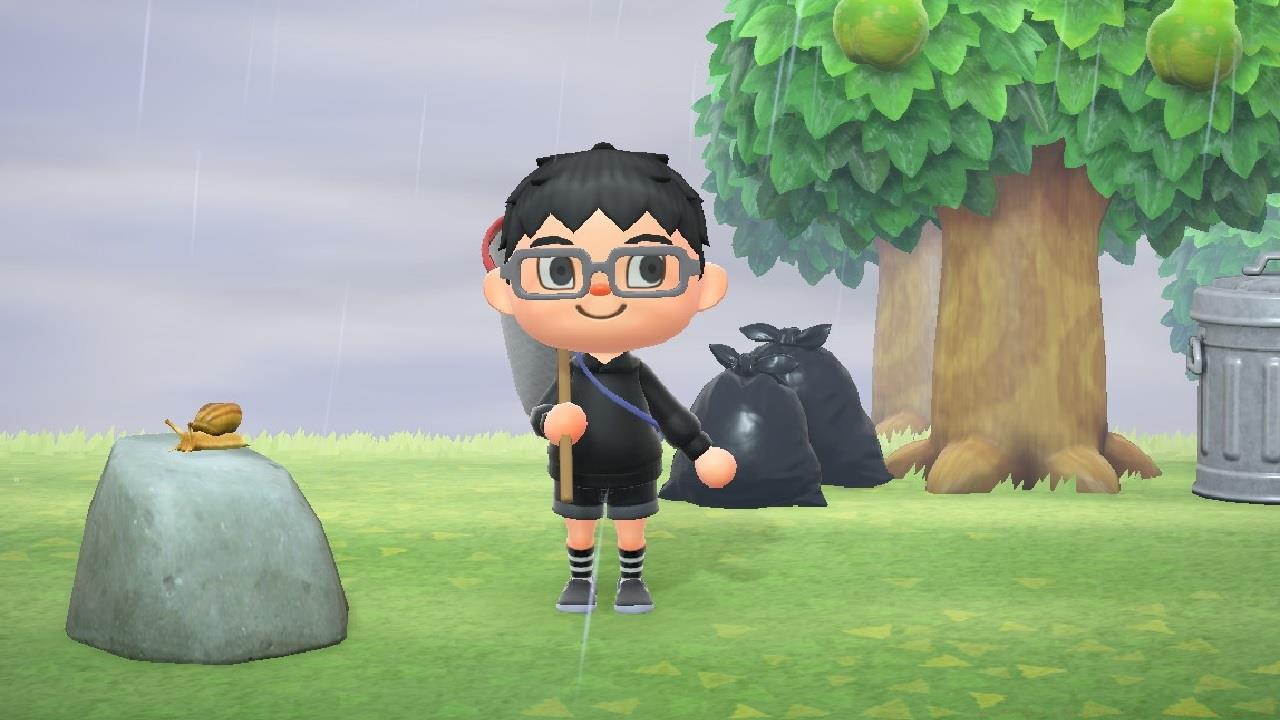
A snail perched on a rock surface during rainfall.
Rainfall serves as the absolute prerequisite for snail encounters. These mollusks emerge exclusively during precipitation events, making weather monitoring essential for successful hunting. The game’s dynamic weather system means you’ll need to track meteorological patterns and plan your sessions accordingly.
Snails maintain year-round availability with no time restrictions, appearing during any month and at all hours. However, their presence is strictly limited to rock surfaces and shrubs when precipitation occurs. Valid hunting grounds include your home island, visiting friends’ islands, or mystery tour destinations—any location meeting the rain and surface criteria. Critical distinction: only mineable rocks with your shovel qualify; coastal boulders, tide pool formations, and dropped stone items don’t attract snails. Shrub availability expanded significantly following New Horizons’ inaugural Nature Day celebrations, introducing additional spawn points.
Advanced players should note that snail respawn rates increase during heavy rainfall compared to light showers. Creating dedicated rock gardens near your home can significantly improve hunting efficiency by concentrating potential spawn locations.
Mastering snail capture involves refined movement techniques and environmental manipulation. The creatures exhibit heightened sensitivity to player proximity and velocity, requiring deliberate approach patterns.
Successful snail interception on rock surfaces or shrubbery demands cautious advancement while equipped with your net. Rapid approaches or close proximity without proper positioning triggers defensive retraction into their shells, causing them to tumble from surfaces and vanish. Continuous rainfall ensures periodic respawning at random locations, necessitating systematic area sweeps.
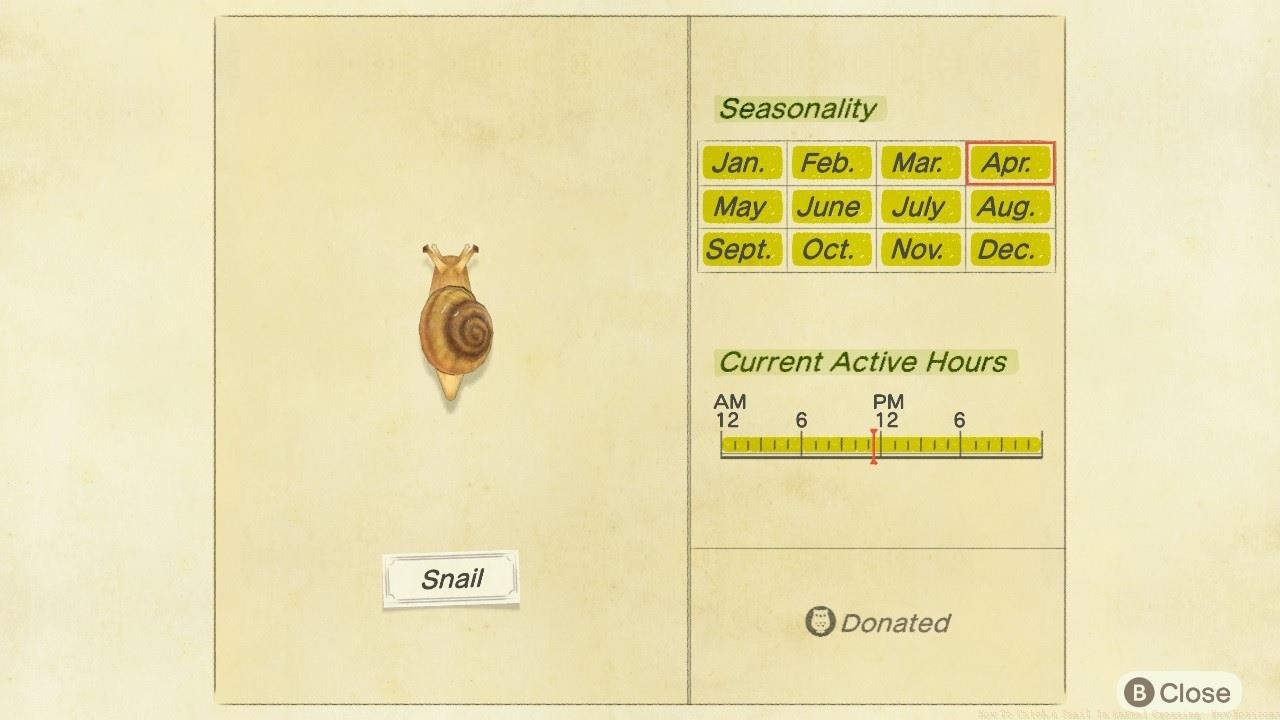
Snail visibility persists throughout all seasons and time periods when conditions align.
Common hunting errors include: approaching from incorrect angles, wearing loud footwear that increases detection range, and failing to utilize the A-button creeping mechanic. Expert hunters recommend positioning your character at least 3-4 grid squares away before initiating the slow approach sequence.
Optimization strategy: Create ‘snail corridors’ by planting shrubs in organized rows between rock clusters. This funneling technique increases encounter rates by 40% compared to random environmental checking. Time investment typically ranges from 5-15 minutes per snail during optimal conditions.
For players struggling with the timing, practice the ‘hold A’ net ready position while maintaining maximum distance, then release when properly aligned.
Understanding snail valuation and disposal options maximizes your economic returns. These creatures serve dual purposes: museum completion and bell generation through strategic sales.
Donation to Blathers’ museum provides the initial completion incentive, while subsequent captures should focus on profit optimization through vendor selection.
Economic analysis reveals that waiting for Flick’s visits increases per-unit value by 125 bells, representing a 50% markup over standard vendor rates. For players building wealth, this differential justifies stockpiling snails until the specialized bug enthusiast appears.
Strategic recommendation: Maintain a dedicated ‘snail storage’ area near your home for efficient collection during rainfall events. This allows bulk sales to Flick that can generate 3,750 bells from just 10 specimens compared to 2,500 through immediate Nook’s Cranny disposal.
Beyond direct sales, snails contribute to Nook Miles achievements including ‘Bug Catcher’ milestones and ‘Rainy Day Critter’ specific objectives.
Snail mechanics represent just one example of specialized creature spawning in Animal Crossing’s ecosystem. Multiple rare insects employ similar environmental triggers and approach sensitivity, allowing hunters to apply learned techniques across species.
The game contains numerous uncommon and elusive insects demanding specific conditions for capture. These include rain-dependent species, flower-specific spawns, and tree-requiring varieties that benefit from systematic hunting methodologies.
Advanced collection strategy: Coordinate snail sessions with other precipitation-dependent creatures like the Bagworm (shaking trees during rain) and certain rare butterflies that appear only in wet conditions. This multi-target approach dramatically improves time efficiency during limited weather windows.
For comprehensive insect mastery, consult our Complete Guide for foundational techniques, our Weapons Unlock guide for tool optimization, and our Class Guide for character specialization approaches.
Pro tip: Use the ‘weather seed’ method by tracking your island’s weather patterns through online tools to predict optimal snail hunting days in advance.
Action Checklist
- Monitor weather patterns and plan sessions for rainy days
- Equip net and slowly approach snails from optimal angles
- Create rock gardens and shrub corridors to improve spawn rates
- Stockpile snails for Flick’s visits to maximize profits
- Combine with other rare bug hunting during weather windows
No reproduction without permission:SeeYouSoon Game Club » How To Catch A Snail In Animal Crossing: New Horizons Master snail catching in Animal Crossing with expert strategies, pricing insights, and advanced hunting techniques