
Master BT detection, avoidance, and elimination strategies for surviving Death Stranding 2’s ghostly threats
Understanding the BT Threat
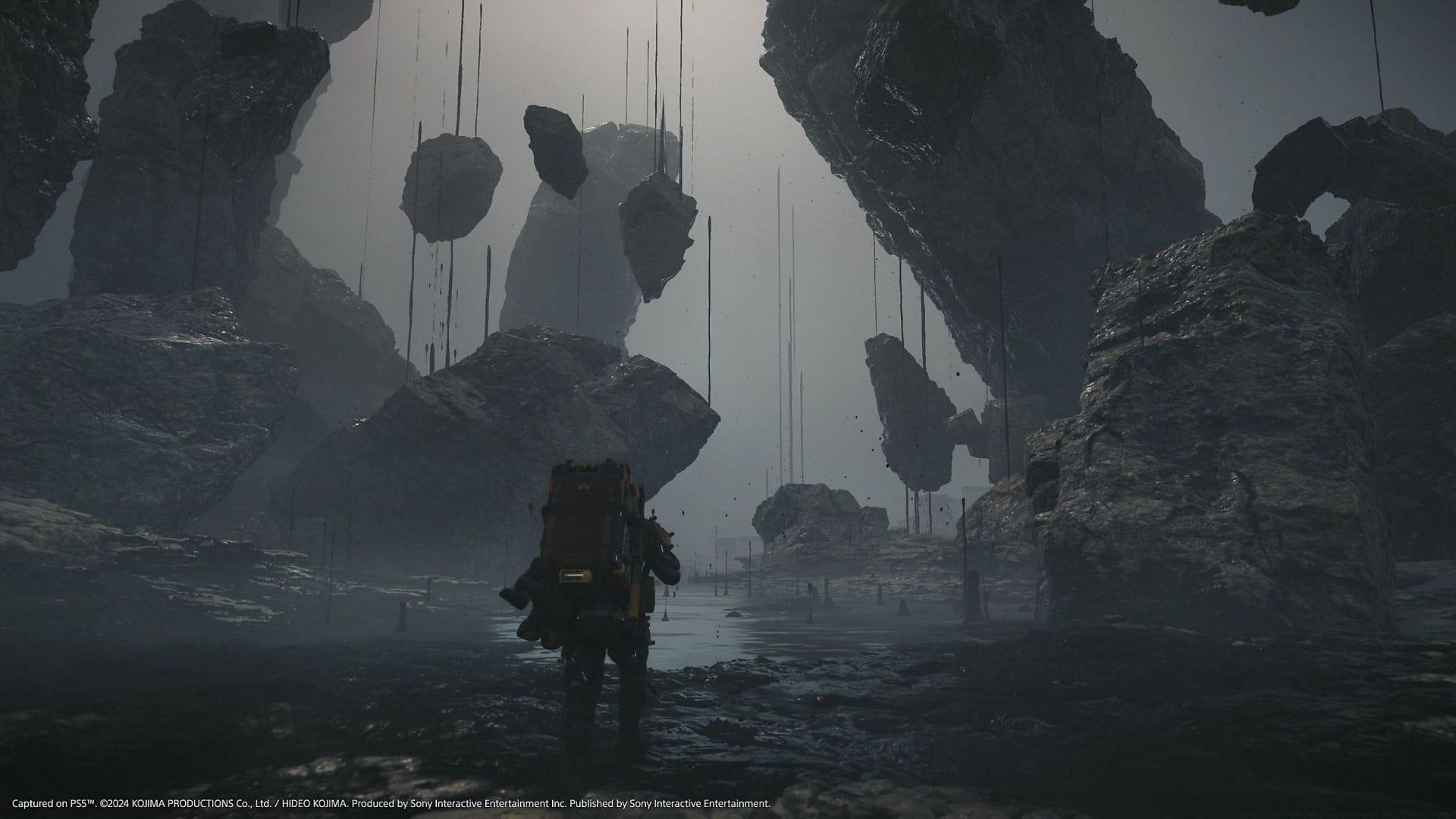
BTs (Beached Things) represent the primary supernatural hazard you’ll encounter throughout Death Stranding 2. These spectral entities exist between dimensions, making them invisible to normal vision until you’re dangerously close. Their ability to materialize suddenly and trigger catastrophic voidouts makes them particularly threatening to cargo and survival. Understanding their behavior patterns is crucial for planning safe routes through contaminated zones.
Many players underestimate how environmental factors affect BT presence. Rainfall intensity often correlates with BT activity levels, with heavier precipitation indicating higher concentrations of spectral entities. Temperature drops and strange audio distortions can also signal nearby BT presence before your Odradek activates. Learning to read these environmental cues provides valuable early warning systems.
Advanced Detection Systems
Your Odradek scanner serves as the primary detection interface between you and the BT threat. This shoulder-mounted device synchronizes with your BB (Bridge Baby) to detect chiral energy signatures. The scanner’s rotation speed provides your first indication of BT proximity—slow, intermittent spins suggest distant threats, while rapid, continuous rotation with intense beeping indicates immediate danger.
The directional arm offers precise bearing information, but experienced porters learn to interpret the subtle variations in animation intensity. When the arm extends fully and vibrates intensely, you’re within 15-20 meters of a BT. The audio feedback escalates through three distinct stages: occasional chirps (safe distance), rhythmic beeping (caution zone), and continuous alarm (immediate threat). Advanced players can estimate exact distances by combining visual and auditory cues.
Common mistake: Many newcomers ignore the Odradek’s early warnings, assuming they have more time than they actually do. The transition from caution to danger zone happens rapidly, especially in areas with multiple overlapping BT fields.
Stealth and Evasion Tactics
Successful BT avoidance requires mastering movement mechanics and environmental awareness. Crouch-walking should become your default movement mode in BT territories, as it reduces noise generation by approximately 70% compared to normal walking. The speed of your movement affects detection range—slow, deliberate movements keep you safest when navigating high-density BT zones.
Breath control mechanics are often underutilized by novice players. Holding your breath temporarily masks your chiral signature, but it’s limited by your stamina bar. Time your breath-holding for critical moments when the Odradek indicates you’re about to cross a BT’s detection threshold. Pro tip: Release and regain breath during lulls in the scanner’s activity to maximize your stealth duration.
When tar pits form during detection events, your escape window is limited. The shaking-off mechanic requires precise timing—initiate the struggle command just as the BT’s grip solidifies. Balance maintenance becomes critical; losing footing extends your vulnerability window significantly. Always scan for escape routes before engaging with BTs, identifying high ground or clear areas where the tar effect diminishes.
Combat and Weapon Systems
Anti-BT weaponry becomes available early but requires strategic resource management. Blood Grenades, your initial anti-BT tool, consume synthetic blood with each use. The targeting hologram provides critical feedback—a solid red shadow confirms target acquisition, while faint or absent shadows indicate wasted throws. Positioning matters: grenades have splash damage, so aiming at clustered BTs maximizes efficiency.
Firearms offering anti-BT capabilities provide precision but demand ammunition conservation. These weapons typically appear in your arsenal after progressing through early story missions. Their circular stat graphs include specific Anti-BT indicators—look for the ghost icon and ensure the orange performance arc extends at least halfway to the Anti-BT point on the graph. Weapons falling short of this threshold may still damage BTs but with significantly reduced effectiveness.
Advanced tactic: Combine weapon types based on encounter scale. Use grenades for group encounters and firearms for precision strikes against specific high-value targets. Always carry multiple weapon types to adapt to unpredictable BT formations. Resource scarcity makes poor weapon selection particularly punishing during extended journeys through BT territories.
Advanced Strategies and Common Pitfalls
Route planning separates skilled porters from casualties. Before entering BT zones, consult your map for natural choke points and elevated positions that offer visibility advantages. Avoid valleys and low-lying areas where BTs tend to concentrate. When possible, plot courses that keep you near the edges of BT territories rather than through their centers.
Common strategic errors include carrying excessive cargo through high-risk zones, which slows movement and escape capabilities. Another frequent mistake is underestimating how weather changes affect BT behavior—sudden weather shifts can activate previously dormant BT areas without warning. Always monitor forecast patterns before committing to extended routes through dangerous territory.
Optimization tip: Develop situational awareness beyond the Odradek. Watch for visual distortions in the environment and listen for anomalous sounds that might indicate BT presence before your equipment registers them. Experienced players often detect BTs 10-15 seconds before their scanners activate by observing these subtle environmental cues.
Also read — Death Stranding 2 pre-order guide: Editions and bonuses
Here are some other gaming articles on Death Stranding 2 for you to check out:
No reproduction without permission:SeeYouSoon Game Club » How to avoid or eliminate BTs in Death Stranding 2 Master BT detection, avoidance, and elimination strategies for surviving Death Stranding 2's ghostly threats