
Rammus remains the only League champion missing from TFT despite multiple near-appearances in past sets
Rammus: The Last League Champion Missing from TFT
Among the extensive League of Legends champion roster, Rammus stands as the solitary character never to grace the TFT battlefield. With Renata Glasc’s recent inclusion bringing the total champion count to 159, the armored armadillo represents the final frontier for TFT developers.
The current League roster contains 159 playable champions following Renata Glasc’s introduction. Among these, 158 have successfully transitioned into Teamfight Tactics gameplay. Rammus remains the elusive exception, becoming something of a legendary figure within the TFT community due to his continued absence.
Teamfight Tactics developers enjoy access to an enormous pool of League champions for set construction. Beyond existing characters, they possess nearly limitless creative freedom to reimagine champion abilities using advanced game technology. The Neon Nights mid-set update represented a particularly generous addition, introducing five new units including Alistar, Corki, recently released Zeri and Renata Glasc, plus Arcane’s Silco who doesn’t exist in standard League. This expansion elevated total TFT champion appearances to 158 (159 counting Silco), leaving Rammus as the sole missing character. The Armordillo’s continued exclusion from every TFT set has evolved into a community in-joke. This outcome wasn’t intentional. As TFT progresses into Set 7, developers remain committed to delivering Rammus the proper introduction he merits—when circumstances align perfectly.
 Riot Games
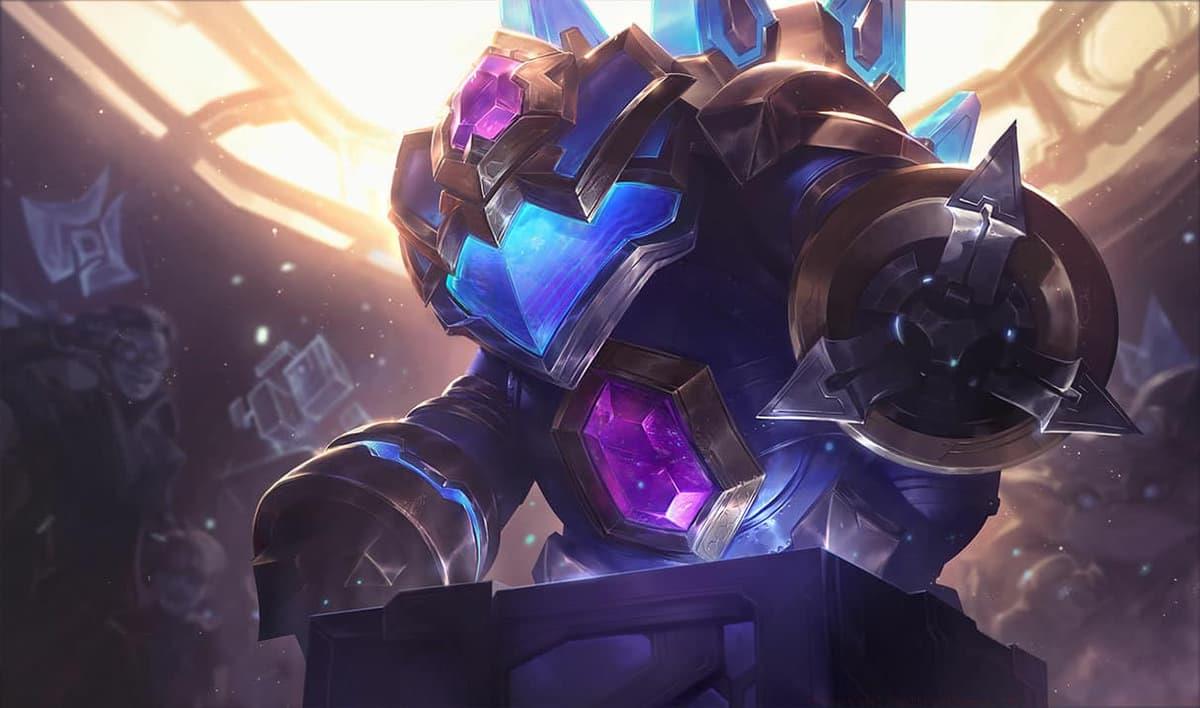
Early Set 6 drafts featured Rammus before his removal during Neon Nights development.
The Almost-Debut: Set 6 and Neon Nights Development
Developer Lynda Tang revealed during interviews that Rammus nearly appeared in both Set 6 and its Neon Nights mid-set update. The armadillo nearly achieved his breakthrough moment, though not as an acquireable champion unit. “During initial Set 6 conceptualization, we considered having Innovator traits summon various creatures,” she detailed. “The original Innovator 3 summon was designed as Rammus rather than the Scarab, but we rejected having Rammus’s first TFT appearance be a summoned entity.”
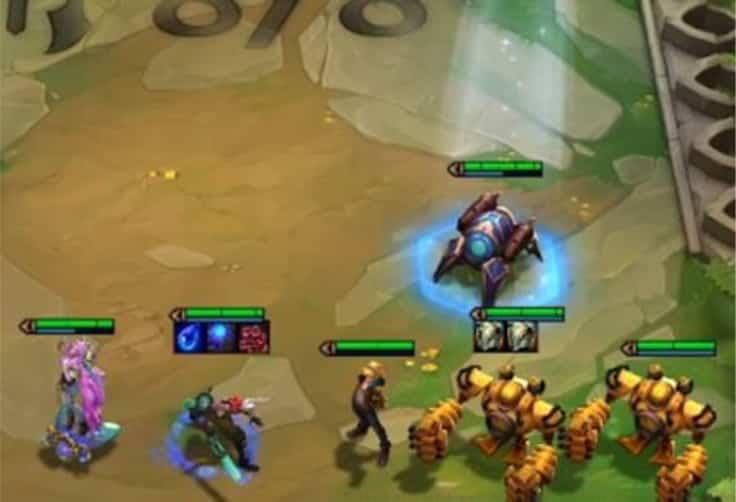
That Innovator Scarab seemed “somewhat suspicious” according to Tang, and ultimately became the obstacle preventing Rammus’s inclusion throughout Gizmos & Gadgets. Riot recognized his TFT debut needed to happen soon. Developer Stephen ‘Mortdog’ Mortimer personally stated “I advocated intensely for Rammus’s inclusion this Set.” The team explored numerous possibilities. Regardless of their approach, they couldn’t escape the reality that Rammus functionally existed within the set already. Merely not by name.
 Riot Games
The Innovator Scarab’s mechanics closely mirrored what Rammus would have provided. “Advancing to Set 6.5 with Alistar and Corki added, we felt compelled to include Rammus,” Tang continued. “We initially designed Rammus as a one-cost unit but examining Hextech traits alongside his kit revealed significant overlap with the Innovator Scarab. We experimented with various ability configurations to differentiate him, but kept questioning ‘what’s happening with these Rammus spells? Players expect damage reflection and taunt mechanics.'” “Rammus was planned as a Hextech Bruiser with substantial tankiness. The composition included Nocturne, Sejuani, and Swain, but lacked sufficient damage output. This prompted our shift from Rammus to Jarvan IV.”
This development history reveals important insights about champion design philosophy. When adapting League champions to TFT, developers must balance authentic kit representation with gameplay balance. Rammus’s signature abilities—his defensive curl, rolling charge, and taunt—present unique challenges for TFT’s automated combat system where positioning and targeting work differently than player-controlled League matches.
Future Debut Speculation and Community Expectations
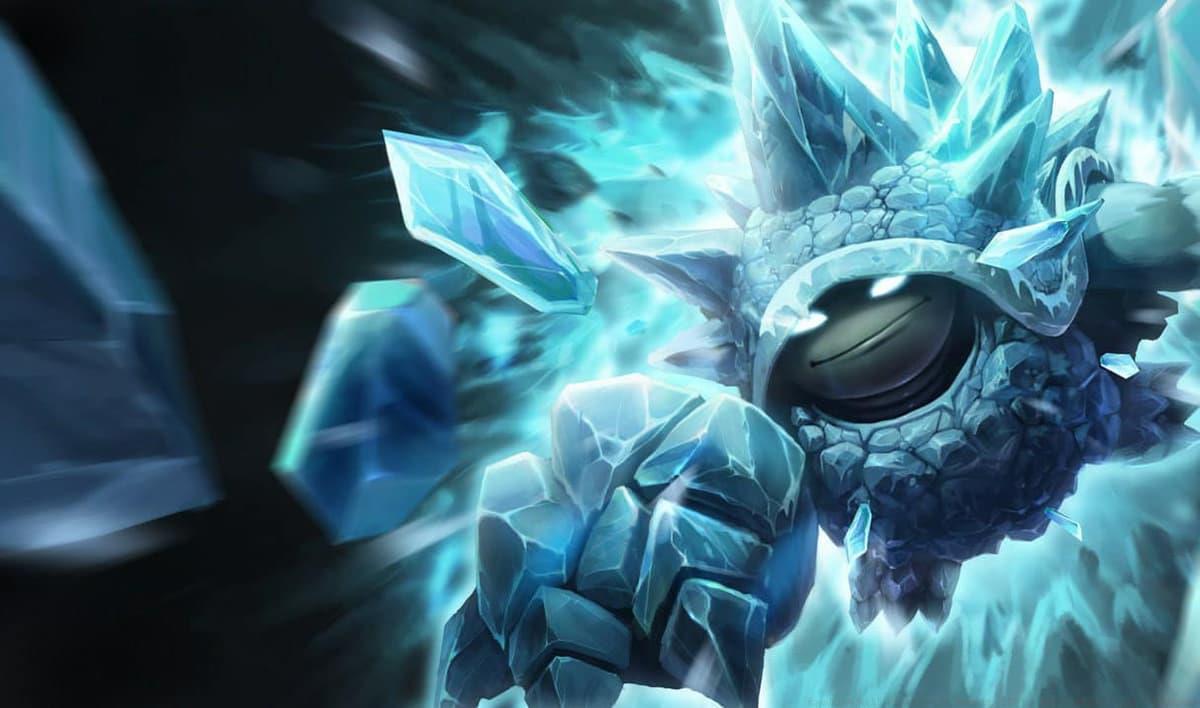
Although the Armordillo retreated without a Neon Nights appearance, Riot gained valuable insight regarding desired player fantasies for Rammus and established groundwork for his eventual debut.
 Riot Games
Rammus’s eventual TFT implementation remains confidential, though Riot intends a substantial debut. Concerning specific timing, Rammus’s TFT introduction remains tightly secured information. His in-game dialogue offers little beyond a simple “ok”, and Riot maintained similar secrecy. Nevertheless, they feel confident about discovering the optimal method to respect his character and deliver the debut he warrants.
“Rammus will arrive in a forthcoming Set and we developed a promising concept for him but scope limitations prompted postponement until we could implement him appropriately as a TFT champion,” Tang concluded. Trust that developers remember the armadillo. However, his debut might require additional waiting.
Community speculation suggests several potential implementations for Rammus. Many expect him to function as a high-cost tank unit, potentially incorporating damage reflection mechanics similar to his League W ability ‘Defensive Ball Curl’. Others theorize he might feature a rolling engage ability resembling his Q ‘Powerball’ that could reposition him toward enemy backlines. The timing of his debut remains uncertain, but most anticipate it will coincide with a set thematically appropriate for his desert theme or armored aesthetic.
Strategic Implications for TFT Players
When Rammus eventually joins TFT, his addition will likely impact game strategy significantly. Based on his League kit and previous development attempts, players should anticipate several gameplay considerations:
Tank Meta Shifts: Rammus will probably strengthen tank compositions, particularly if he possesses damage reflection capabilities. This could counter hyper-carry strategies that rely on single high-damage units.
Positioning Importance: If he incorporates taunt mechanics, positioning will become even more crucial. Players may need to protect key carries from being forced to attack the heavily-armored Rammus.
Itemization Strategies: Standard tank items like Bramble Vest, Sunfire Cape, and Gargoyle Stoneplate would synergize well with his expected kit. However, developers might create unique interactions specific to his abilities.
Common Pitfalls to Avoid: Don’t assume Rammus will automatically fit existing compositions. His unique mechanics may require building around him specifically rather than slotting him into standard teams. Also avoid overcommitting resources expecting his immediate debut—Riot’s timeline remains uncertain.
Advanced Optimization: Experienced players should monitor PBE testing when his debut approaches. Understanding his ability scaling (whether it benefits from armor, health, or both) will be crucial for item optimization. Additionally, watch for potential synergies with other champions that complement his defensive nature.
No reproduction without permission:SeeYouSoon Game Club » How Riot will finally add Rammus, TFT’s white whale, in a future set Rammus remains the only League champion missing from TFT despite multiple near-appearances in past sets