
TL;DR
- Shiny Beasts feature unique coloration and display a star icon for easy identification
- Use the save-reload method combined with day-night cycling to force creature respawns
- Focus on high-population dens like Puffskeins and Mooncalves for better efficiency
- Graphorns require combat before capture attempts, making them significantly more challenging
- Optimize farming by clearing dens completely before triggering respawn cycles
Discover the elusive and visually distinct Shiny Beasts scattered throughout the wizarding world of Hogwarts Legacy. These rare variants offer collectors and breeders unique opportunities beyond standard magical creatures.
Shiny Beasts represent exceptionally rare color mutations within their species, featuring dramatically different pigmentation and patterns compared to their common counterparts. When scanning creatures with Revelio or approaching their habitats, watch for the distinctive star icon that appears above their heads, clearly indicating their special status. Beyond their aesthetic appeal, these variants provide enhanced breeding potential and collection completion rewards.
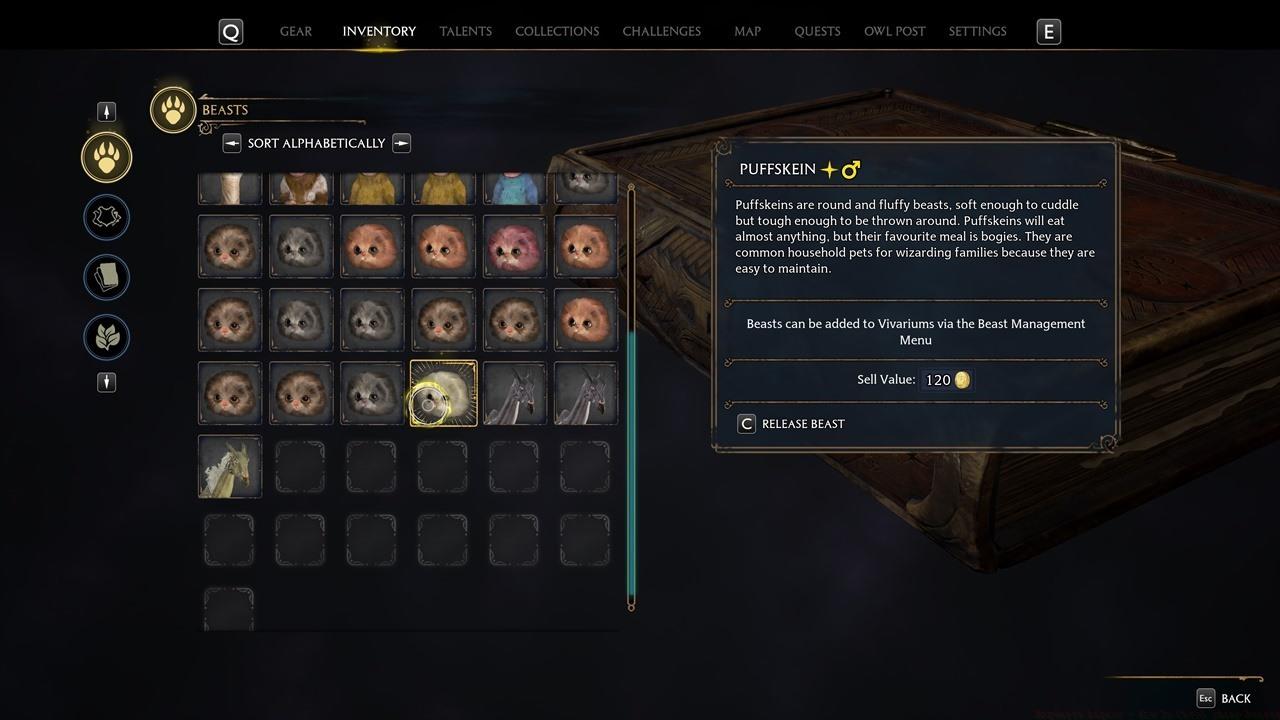
Shiny Beasts display immediate visual distinction through unique coloration patterns and the unmistakable star marker floating above them.
The primary challenge involves understanding spawn mechanics rather than capture techniques themselves. Since appearance rates are governed by random number generation (RNG), strategic approaches dramatically improve your chances compared to random exploration.
Grasping the underlying systems governing Shiny Beast appearances transforms frustrating random encounters into manageable farming sessions. The game’s creature spawning follows specific rules that players can manipulate to their advantage.
Each beast den maintains a population cap that refreshes under certain conditions. When you capture creatures from a den, the game attempts to replenish the missing individuals during the next spawn cycle. This repopulation phase represents your primary opportunity for Shiny variants to appear, as the game recalculates attributes for new spawns.
The probability system works on weighted tables where common variants have significantly higher appearance rates than their Shiny counterparts. However, each new spawn represents an independent chance for the rare variant, meaning more spawn attempts directly correlate with improved odds over time.
Environmental factors like time of day and weather conditions can influence certain species’ spawn rates, though these don’t directly affect Shiny probability percentages. Understanding these nuances helps optimize your farming route efficiency.
Implementing systematic approaches to Shiny hunting dramatically reduces the time investment required while maximizing your encounter rates. The most effective method combines strategic clearing with forced respawn triggers.
Begin by identifying your target creature’s den location through the game’s beast tracking system. Upon arrival, assess the current population—Shiny variants rarely appear in initial spawns, so don’t be discouraged by their absence.
Execute the following optimized sequence for best results:
- Capture all available creatures at the den to empty the location completely
- Access your world map and activate the day-night cycle transition
- Perform a manual save to preserve your progress
- Reload from your most recent save file
- Return to the den to check the newly spawned creatures
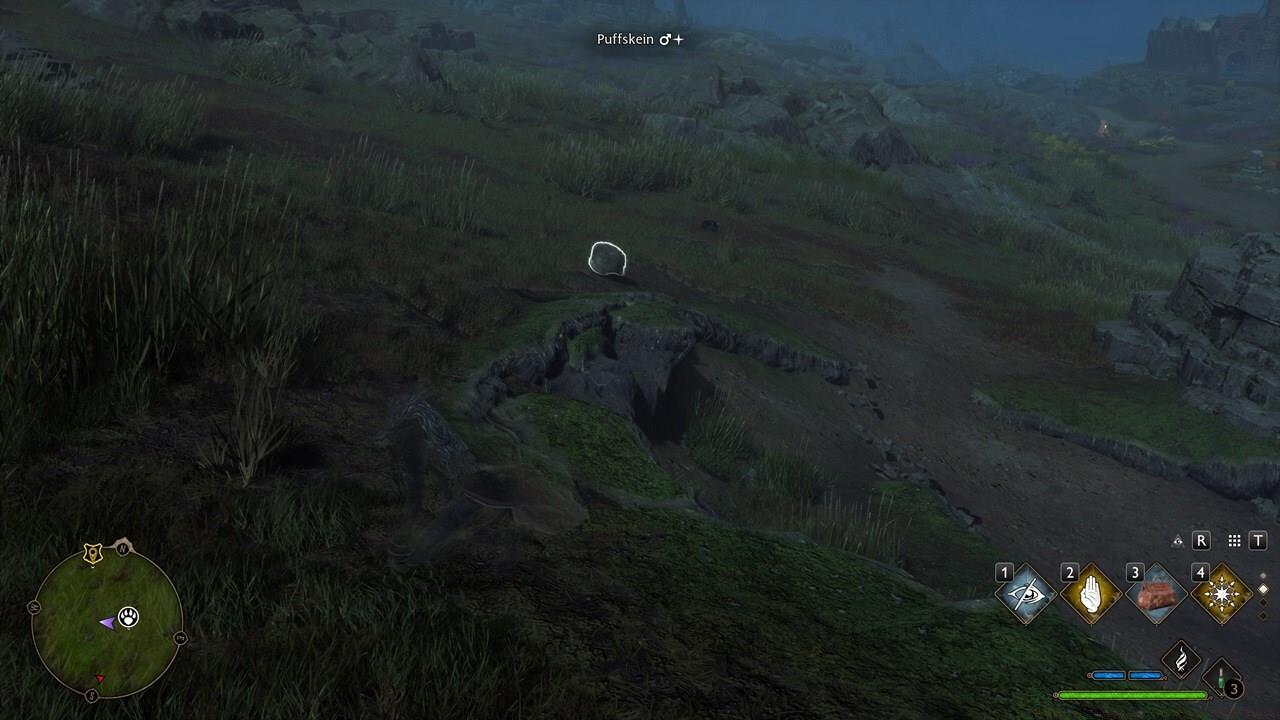
Strategic den clearing followed by forced respawn cycles represents the most efficient Shiny hunting method.
Focus your efforts on high-population dens containing creatures like Puffskeins and Mooncalves, as these typically spawn four or more individuals simultaneously. More spawn attempts per cycle naturally improve your cumulative probability statistics.
Avoid common mistakes like partial den clearing or skipping the save-reload step. Incomplete clearing reduces your respawn count, while neglecting the reload prevents the game from properly resetting the spawn tables.
Different magical beast species present unique challenges when pursuing their Shiny variants. Understanding these distinctions prevents wasted effort and frustration during your collection endeavors.
Common creatures like Puffskeins, Mooncalves, and Jobberknolls offer the most straightforward farming experiences due to their passive nature and dense populations. These should be your primary targets when beginning your Shiny hunting journey.
Graphorns represent a special case among magical beasts—they do respawn periodically, but each encounter requires combat before capture attempts can begin. This additional layer of difficulty significantly increases the time investment per potential Shiny encounter.
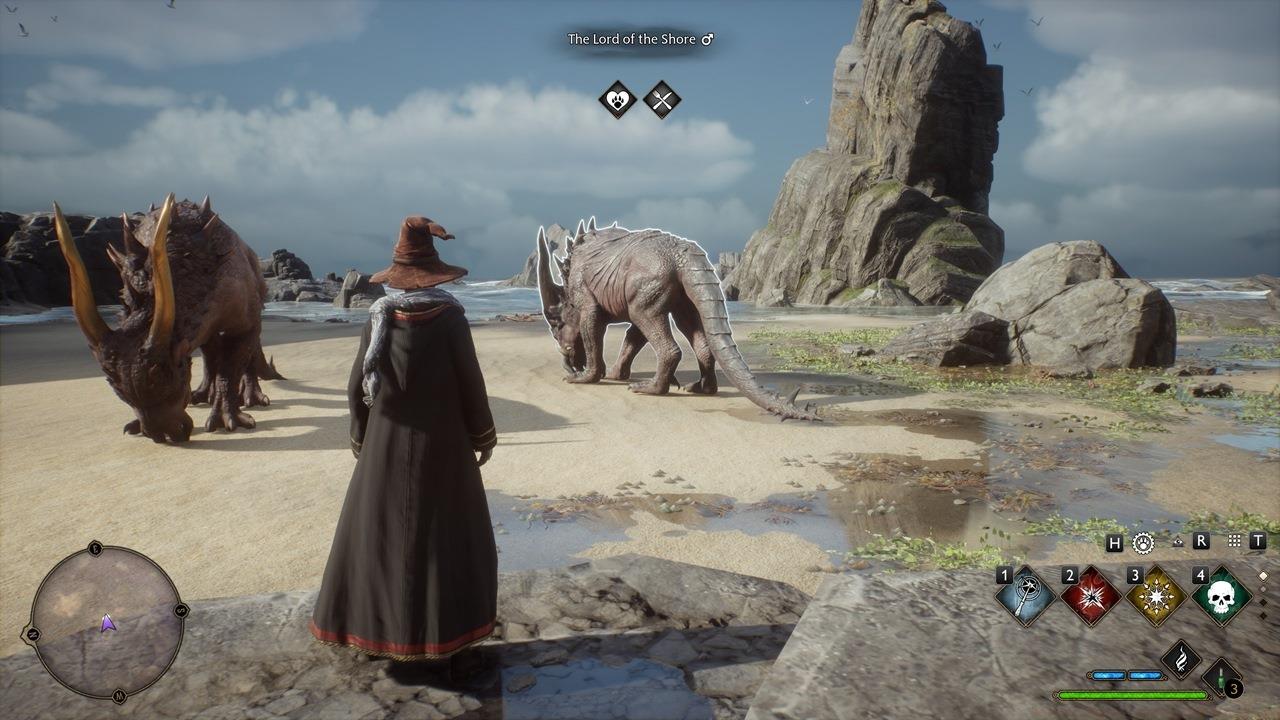
Graphorns demand combat engagement before capture, making them substantially more challenging targets for Shiny variants.
For combat-required creatures, implement a modified approach: engage and weaken the beast, use Arresto Momentum to create capture windows, and repeat the save-reload method if no Shiny appears. The increased difficulty means these should be lower priority until you’ve mastered the basic farming techniques.
Track your progress systematically by noting which species you’ve obtained Shiny variants for and focusing your efforts on remaining targets. This prevents repetitive farming of already-completed entries while ensuring systematic collection advancement.
Action Checklist
- Identify target creature dens using the beast tracking system
- Clear entire den populations completely before respawn cycling
- Trigger day-night cycle transition via world map
- Perform manual save followed by immediate reload
- Check respawned creatures for Shiny variants with star icons
- Repeat cycle focusing on high-population dens for efficiency
No reproduction without permission:SeeYouSoon Game Club » Hogwarts Legacy – How To Catch Shiny Beasts Master the advanced techniques for capturing rare Shiny Beasts in Hogwarts Legacy with proven farming methods