
TL;DR
- Demon’s Hand uses 8-card poker mechanics with three discard opportunities per turn
- Strategic sigil usage can double your damage output when properly synergized
- Complete all three difficulty modes and collect 24 rare sigils for maximum rewards
- Advanced players should prioritize Marching Horde and Grand Warhost combinations
- Proper card management reduces RNG dependency and ensures consistent victories
Games and Esports Articles
Riot Games introduced the Demon’s Hand mini-game alongside patch 25.6 on March 20, offering League players a strategic card-based diversion with valuable BXP point incentives. This engaging side activity operates on principles reminiscent of five-card draw poker but introduces several unique mechanical twists that separate it from traditional card games.
The game utilizes a complete 52-card deck featuring Runeterra-themed artwork and nomenclature while maintaining standard playing card values. Familiarize yourself with the visual presentation below to quickly identify card strengths during gameplay.
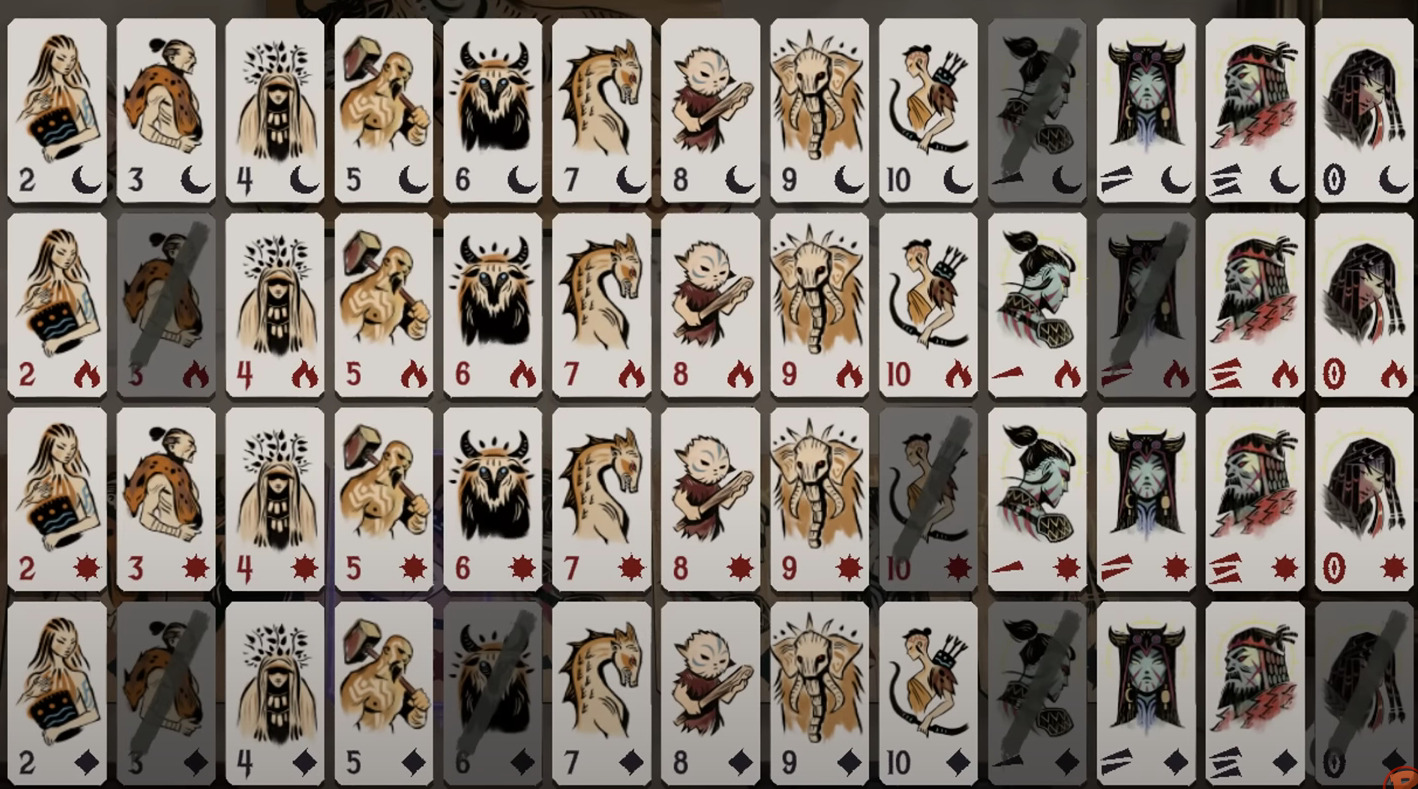
Each round begins with an eight-card hand, providing three discard phases where you can replace up to five cards each time. This expanded hand size and multiple discard opportunities create deeper strategic possibilities than conventional poker variants. As you advance through different opponents, expect rule modifications that may invalidate entire suits or alter turn mechanics, requiring adaptive strategy shifts mid-campaign.
Your offensive capability directly correlates with the quality of card combinations you assemble, making strategic discarding the cornerstone of Demon’s Hand mastery. Unlike basic poker, the expanded hand size enables complex multi-combination plays that can dramatically amplify your damage output when executed properly.
- Solo (High Card) — Single high-value card (minimal damage)
- Dyad (Pair) — Two matching numbered cards
- Dyad Set (Two Pair) — Two separate pairs of identical cards
- Triad (Three of a Kind) — Three cards sharing the same number
- Tetrad (Four of a Kind) — Four matching numbered cards
- March (Straight) — Five sequentially numbered cards regardless of suit
- Horde (Flush) — Five cards of identical suit with non-sequential values
- Grand Warhost (Full House) — Combination of three matching cards and a separate pair
- Marching Horde (Straight Flush) — Five sequentially numbered cards of the same suit
- The Demon’s Hand (Royal Flush) — The five highest-value cards (10-J-Q-K-A) in one suit
Pro Tip: Prioritize combinations that utilize more cards from your hand, as the expanded eight-card format allows overlapping combinations that can trigger multiple sigil effects simultaneously. Avoid the common mistake of chasing only The Demon’s Hand—this ultra-rare combination occurs in less than 0.001% of hands, making it an unreliable primary strategy.
Between combat encounters, you’ll acquire sigils that provide specialized bonuses to specific combination types. These power-ups fundamentally alter your strategic approach—once obtained, immediately restructure your gameplay around their strengths. For instance, if you secure a sigil enhancing Horde (Flush) damage, systematically prioritize collecting five cards of the same suit throughout each match.
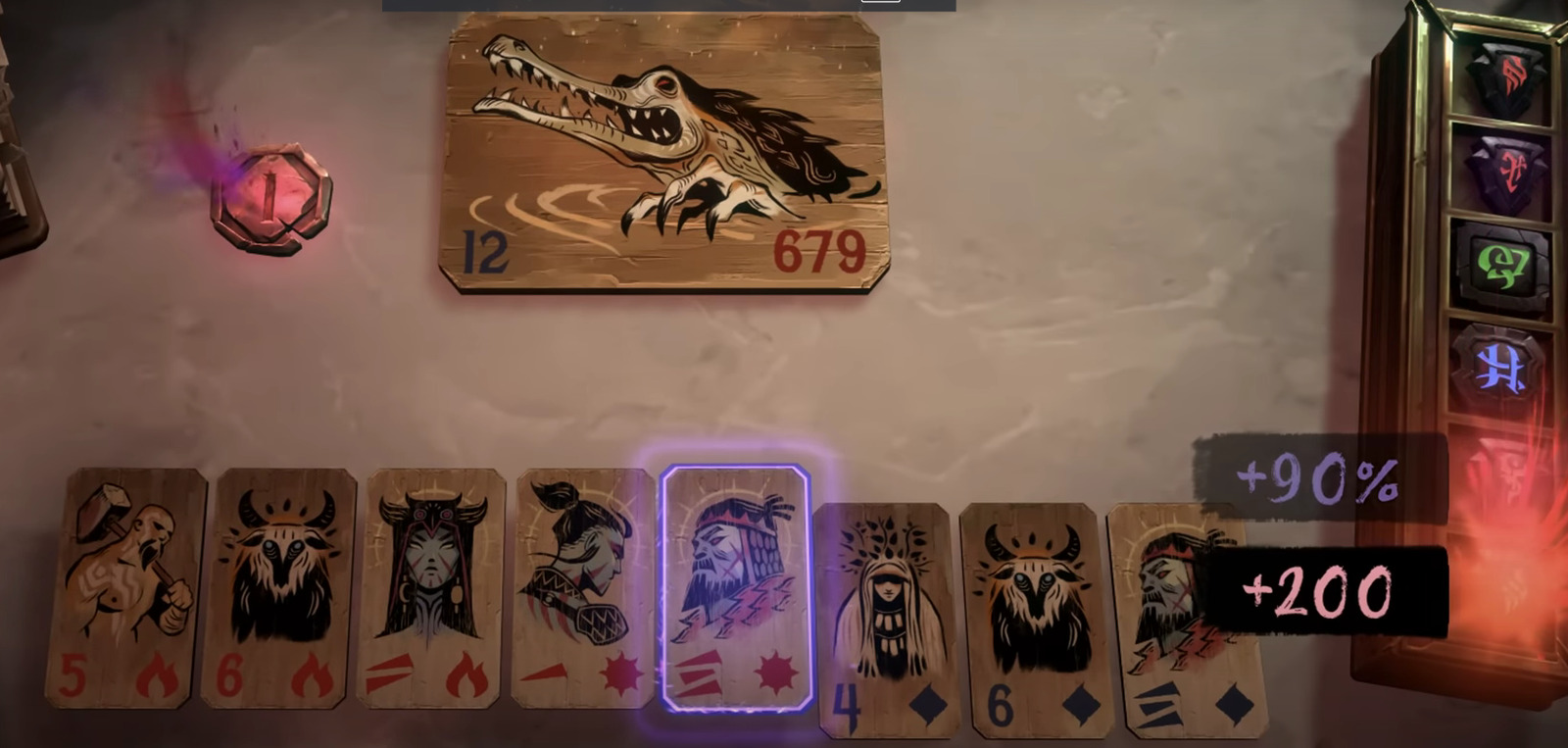
Advanced Strategy: The most effective approach involves stacking multiple sigil abilities within a single turn to create devastating combination chains. However, beware of over-committing to a single sigil type—experienced players maintain flexibility by developing secondary combination specialties as backup plans when primary strategies become unavailable due to card distribution.
Common Pitfall: Many players waste their three discard opportunities too early in the turn. Instead, analyze your starting hand thoroughly before discarding, as you might already possess the foundation for a powerful combination without realizing it.
The Demon’s Hand offers substantial rewards across multiple completion tiers, making it worthwhile for both casual and dedicated players. Understanding the progression requirements ensures you efficiently maximize your BXP earnings while collecting exclusive cosmetics.
- Story Mode Completion — Unlocks exclusive emote + 500 BXP points
- Hard Mode Clear — Awards illustrative icon + 250 additional BXP
- Demon’s Mode Victory — Grants exclusive Demon’s Hand icon + 250 BXP
- Full Sigil Collection — Provides “The Demon’s Hand” title + 250 BXP
Accessing advanced difficulty settings requires strategic sigil collection through regular League gameplay or mission completion. The progression pathway follows a clear structure: accumulate 8 Rare Sigils and complete Story Mode to unlock Hard Mode, then gather 16 Rare Sigils and conquer Hard Mode to reach the ultimate Demon’s Mode challenge.
Time Investment Note: Completing all content and collecting all 24 Rare Sigils typically requires 12-15 hours of focused gameplay, depending on your card game proficiency and available sigil acquisition opportunities.
Naafiri midscope update ability changes in patch 25.6 (15.6) revealed in League of Legends
Action Checklist
- Complete Story Mode while collecting initial 8 Rare Sigils
- Unlock and conquer Hard Mode after securing 16 Rare Sigils
- Tackle Demon’s Mode with full sigil collection for maximum challenge
- Farm remaining Rare Sigils through League matches and missions
No reproduction without permission:SeeYouSoon Game Club » Guide to Demon’s Hand mini-game in patch 25.6 (15.6) in League of Legends. How to win all rewards in Demon’s Hand Master Demon's Hand card game in LoL patch 25.6 with advanced strategies to maximize BXP rewards