
Master Ghost of Yotei’s combat, exploration, and storytelling with expert analysis and actionable strategies
Introduction to Atsu’s Revenge Tale
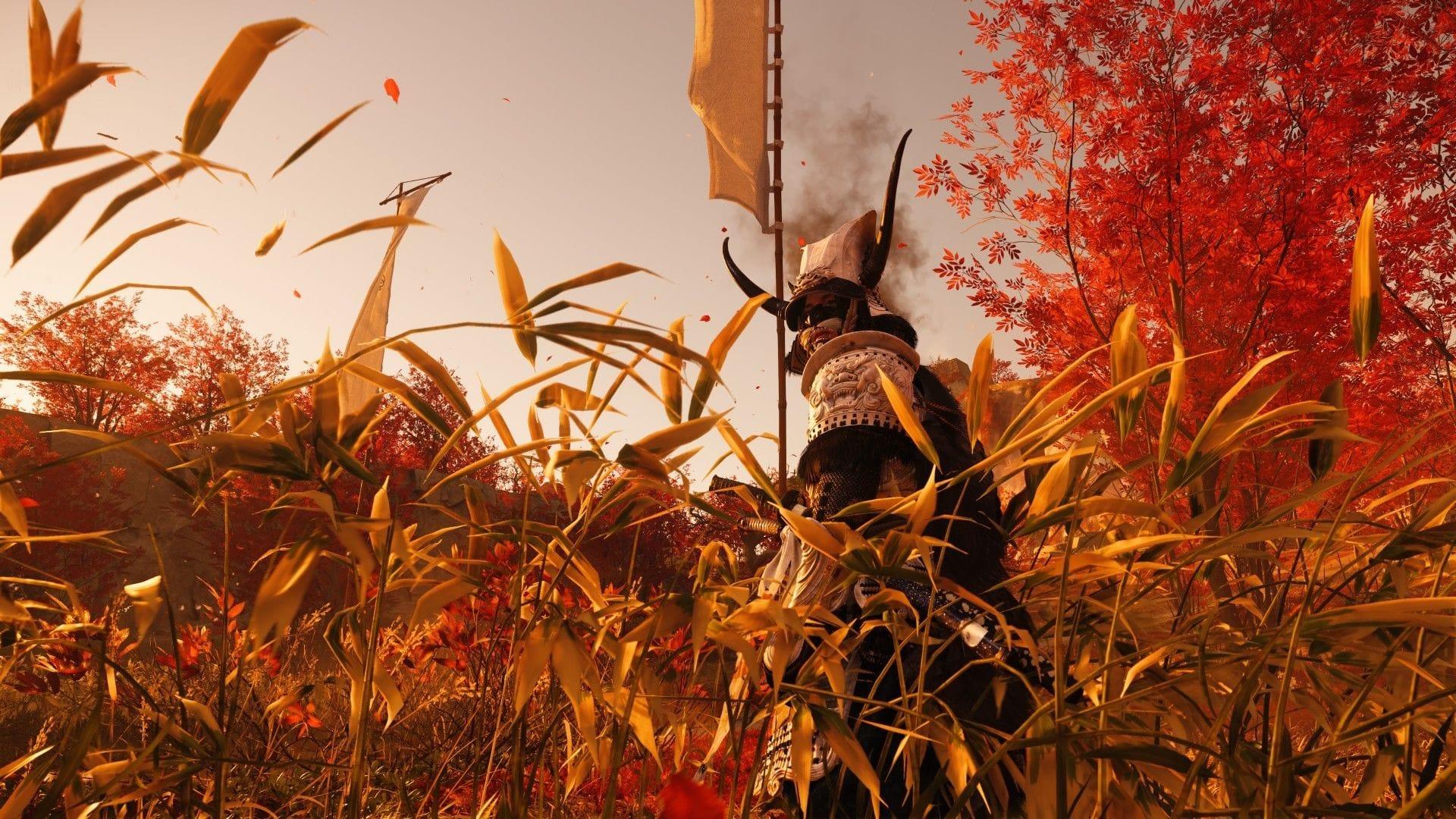
Ghost of Yotei builds upon the successful foundation of feudal Japanese exploration established by its predecessor, expanding the experience into the northern territory of Ezo with remarkable depth and polish. Players are immersed in a world rich with cultural authenticity, from the displaced Ainu people’s history to the intricate mythos that permeates every aspect of the environment. The gameplay foundation combines weapon mastery with exploration in a package that feels both familiar and refreshingly new.
Set three centuries after Jin Sakai’s legendary journey, Ghost of Yotei introduces players to Atsu, a wandering mercenary defined by tragedy and driven by vengeance. The narrative centers on her quest to eliminate the Yotei Six, the group responsible for her family’s massacre sixteen years prior. This underdog revenge story unfolds across Ezo’s diverse regions as Atsu systematically hunts each member of Lord Saito’s deadly coalition.
Pro Tip: When starting your journey, pay close attention to environmental storytelling elements that provide context about the Ainu people’s displacement and the political tensions shaping Ezo. These details enrich the main narrative and provide deeper understanding of the world’s conflicts beyond Atsu’s personal quest.
Combat System Deep Dive
The combat mechanics in Ghost of Yotei represent a significant evolution from Tsushima, offering faster-paced engagements with enhanced fluidity. Atsu’s background as a mercenary informs her combat style, resulting in more aggressive movement patterns and quicker attack sequences. The core mechanics maintain familiar light and heavy attacks alongside blocking and parrying, but the weapon system has been completely reimagined for greater tactical depth.
Replacing Jin’s stances, Atsu wields five distinct melee weapons, each optimized against specific enemy types. The weapon alignment system encourages strategic thinking by rewarding proper matchups: Dual Katanas excel against spear-wielders, the Yari counters sickle users, Odachi breaks through Brute defenses, and Kusarigama dismantles shielded opponents. This system creates dynamic combat scenarios where weapon selection becomes as crucial as execution.
Weapon acquisition occurs through regional masters scattered across Ezo, with each weapon featuring multiple unlockable techniques accessible via Altars of Reflection. Completing a master’s personal storyline unlocks their signature technique, and mastering all techniques for a weapon rewards players with that master’s complete weapon kit. This progression system encourages thorough exploration and engagement with side content.
Advanced Combat Strategy: Master the instant weapon swapping mechanic to create devastating combos. For example, open with Kusarigama to break an enemy’s guard, immediately switch to Dual Katanas for rapid strikes, then finish with Odachi heavy attacks. This fluid approach maximizes damage output while maintaining defensive options.
The tactical combat philosophy intensifies at higher difficulty levels, requiring careful assessment of enemy patterns, defense-breaking opportunities, and counter-attack timing. Your equipped Charms and armor significantly influence combat effectiveness, allowing for build customization that complements individual playstyles. The extensive ranged arsenal—including bows, firearms, and throwables—adds another layer of strategic complexity, though the variety can initially feel overwhelming.
Common Mistake to Avoid: Don’t neglect weapon upgrades at Atsu’s father’s forge. Many players underestimate the damage increase from fully upgraded weapons, struggling unnecessarily in mid-game encounters. Regular upgrades ensure you maintain combat effectiveness as enemy health pools increase.
Stealth remains relatively basic, with tall grass concealment, Kusarigama-assisted assassinations, and Empty Sake Jar distractions comprising the primary options. The wolf companion adds tactical variety, appearing during stand-offs and critical moments. Completing wolf den side quests unlocks enhanced wolf techniques, and later game progression allows shamisen-summoned wolf assistance before major encounters.
World Exploration and Environment
Ezo’s breathtaking landscapes showcase remarkable environmental diversity, from the lush grasslands surrounding majestic Mt. Yotei to the frozen expanses of Teshio Ridge. The visual design consistently impresses, with each region featuring distinct atmospheric conditions that influence gameplay. Northern areas present blinding snowstorms that the Nine Tails enemy cleverly utilizes, while southern zones like Ishikari Plains employ warmer color palettes centered around fire themes.
The exploration philosophy prioritizes organic discovery over UI clutter. Players identify points of interest through environmental cues like distant smoke plumes rather than map markers. Bounty Boards offer targeted objectives with tangible rewards, while clue cards obtained from settlers and interrogated enemies provide narrative context and direction without traditional mission logs.
Exploration Tip: Always investigate golden bird appearances—they reliably guide you to nearby points of interest and often lead to valuable rewards or important narrative elements you might otherwise miss.
Environmental interactivity has been enhanced through engaging mini-games, including manual camp setup procedures, weapon forging sequences, and Sumi-e painting mechanics using touchpad controls. These skippable but enjoyable activities deepen immersion while providing brief respites from combat intensity. Platforming elements occasionally prove challenging due to sometimes finicky jump and grab mechanics, particularly during mountain ascents.
The audio landscape deserves special recognition for its masterful shamisen integration and exceptional voice acting. Multiple cinematic modes pay homage to legendary Japanese directors—Kurosawa, Miike, and Watanabe—each offering distinct visual filters that transform the gameplay experience when activated during specific scenarios.
Character Development and Story Analysis
Ghost of Yotei presents a compelling revenge narrative that successfully establishes emotional stakes while exploring complex themes of vengeance and consequence. The Yotei Six villains stand out as particularly well-developed antagonists, avoiding one-dimensional evil tropes through nuanced motivations and believable personalities. Lord Saito’s actions receive contextual explanation through discoverable documents, providing depth without justifying his atrocities.
The game thoughtfully addresses gender dynamics through NPC reactions to a female onryo, with Saito himself rationalizing women’s inclusion in his army. Ethical conflicts surrounding firearms usage echo Tsushima’s themes, creating moral tension between traditional values and practical warfare necessities. Supporting characters like Taro the scavenger merchant feel authentically integrated into the world, appearing naturally throughout the journey rather than feeling like narrative devices.
Character Insight: Pay attention to camp conversations with wolf pack members—these optional dialogues reveal character backstories and motivations that significantly enhance narrative context.
However, the story struggles with protagonist development. Atsu remains overwhelmingly defined by the Night of the Burning Tree tragedy throughout her journey, showing limited growth beyond her singular revenge objective. Unlike Jin Sakai’s transformative arc that balanced personal conflict with broader societal impact, Atsu’s narrative remains narrowly focused on her personal quest, often overlooking the collateral consequences of her actions.
NPCs occasionally exhibit narrative dissonance, such as the puzzling resolution to Shiro the bear side quest. The wolf pack allies never coalesce for collective action despite shared grievances against the Yotei Six, missing opportunities for impactful narrative payoffs. These limitations prevent the story from achieving the emotional depth potential suggested by its strong foundation.
The Ghost Stance acquisition carries significant emotional weight, triggered by deeply personal motivations that differ meaningfully from Jin’s transformation. While the revenge narrative delivers on its core promise, the conclusion leaves room for desired character evolution that would have elevated the overall experience.
Gameplay Systems and Content
Ghost of Yotei offers substantial content variety beyond the main narrative, featuring Altars of Reflection, Bamboo Strikes, Pillars of the Fallen, Wolf Dens, Hot Springs, and Reliquaries distributed throughout Ezo. While some activities risk repetition, their optional nature respects player agency. Mythic tales from storyteller Ugetsu provide particularly rewarding objectives, with Japanese voiceovers recommended for maximum immersion during these sequences.
The game maintains reasonable pacing with approximately 30 hours for main story completion, 10-15 additional hours for side content, and roughly 60 hours for completionist runs. Chapter 1 represents the longest segment, with Chapters 2 and 3 offering more focused narrative progression. While New Game+ appears absent, skippable cutscenes improve replayability for subsequent playthroughs.
Content Strategy: Prioritize mythic tales early—they often provide powerful gear and abilities that significantly enhance combat effectiveness throughout your journey.
Technical performance remains solid on PS5, with consistent frame rates and minimal graphical issues across 40+ hours of gameplay. Environmental detail generally impresses, though occasional landscape sections lack the polish seen in more curated areas. The organic exploration system successfully avoids UI overload while ensuring discoverability through thoughtful visual cues and NPC interactions.
Ghost of Yotei stands as a worthy successor that refines Tsushima’s formula without simply replicating it. The combat evolution, environmental design, and character-driven narrative create a distinct identity while honoring the original’s strengths. Despite narrative limitations regarding protagonist development, the overall package delivers satisfying gameplay depth and world-building that will appeal to both series veterans and newcomers.
No reproduction without permission:SeeYouSoon Game Club » Ghost of Yotei review Master Ghost of Yotei's combat, exploration, and storytelling with expert analysis and actionable strategies