
Master the definitive Final Fantasy Tactics remake with expert strategies and essential quality-of-life improvements
Introduction: From Classic Challenge to Modern Masterpiece
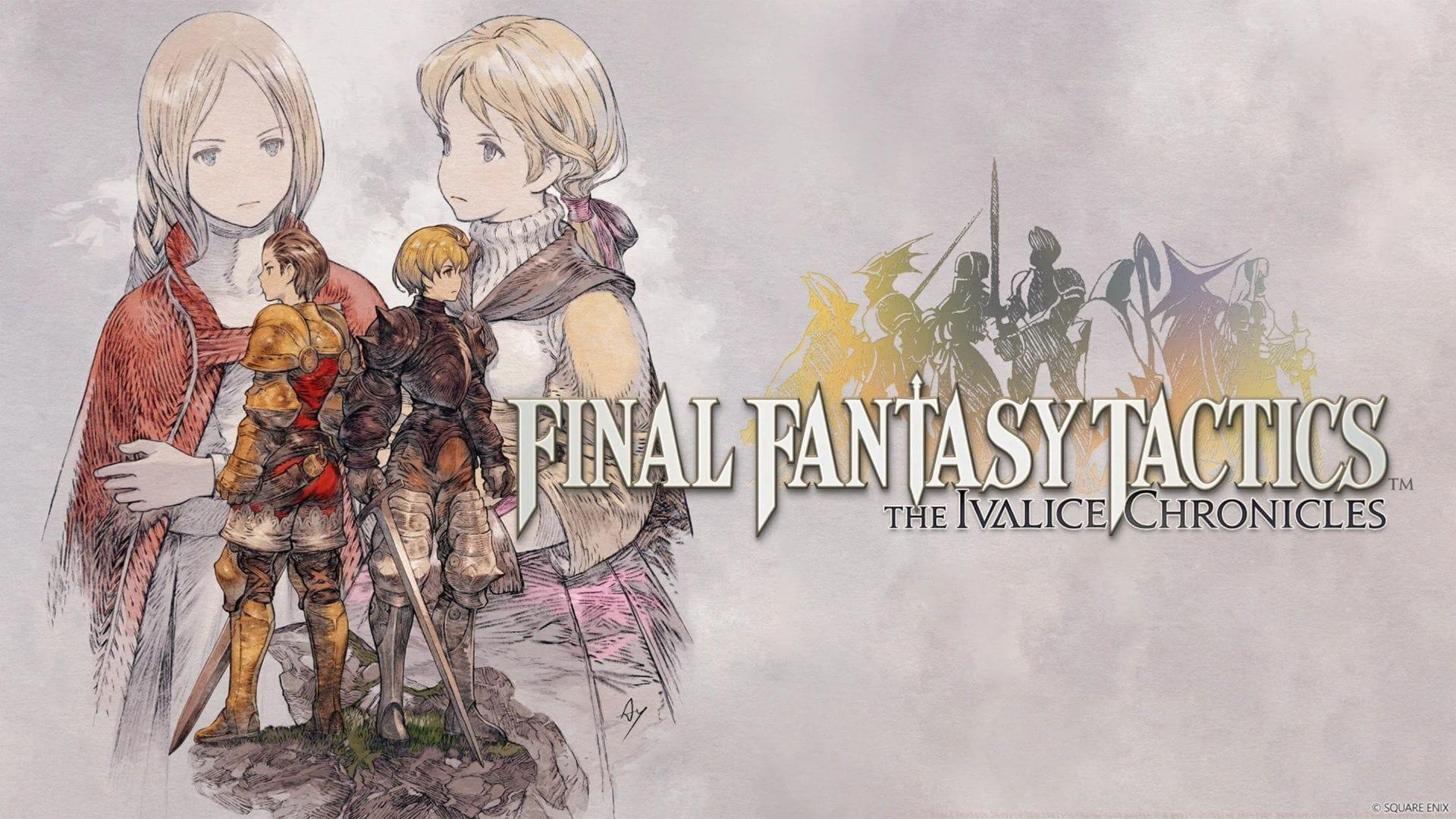
Having recently experienced the preview build of Final Fantasy Tactics The Ivalice Chronicles, I can confidently state this remake elevates one of gaming’s most revered tactical RPGs to unprecedented heights. As someone who has navigated the complex political landscape of Ivalice since the original PlayStation release, I was struck by how Square Enix has masterfully balanced preservation with innovation. The game that once intimidated newcomers with its steep learning curve now welcomes players of all skill levels while maintaining the strategic depth veterans cherish.
During my preview session, I explored critical early-game segments including the pivotal Zeirchele Falls encounter and substantial portions of Chapter 1. While travel constraints limited my playtime, the experience provided comprehensive insight into the remake’s transformative improvements. What immediately stood out was how the development team addressed the original’s notorious difficulty spikes without compromising the tactical complexity that defined the franchise.
For those unfamiliar with the series’ reputation, Final Fantasy Tactics originally presented a formidable challenge that could overwhelm unprepared players. Specific battles functioned as brutal skill checks, often forcing players to restart hours of progress due to limited save opportunities. This remake systematically eliminates those frustration points while preserving the game’s strategic soul.
Core Gameplay Enhancements That Transform the Experience
The Zeirchele Falls engagement serves as an excellent case study in the remake’s design philosophy. This critical Chapter 1 battle tasks players with protecting Princess Ovelia while confronting aggressive enemy forces, with Delita Hyral providing crucial Holy Knight support. While veterans might recall this as a potential roadblock, the new systems transform it into a manageable yet engaging tactical puzzle.
My approach utilizing a balanced party composition—Geomancer for terrain advantages, Archer for ranged control, and White Mage for sustain—demonstrated how strategic preparation yields satisfying results. On the standard difficulty setting, the encounter felt surprisingly approachable, a deliberate design choice to welcome newcomers. However, switching to Tactician difficulty immediately restored the punishing challenge series veterans expect, complete with enhanced enemy AI and reduced margin for error.
The most revolutionary improvement lies in the completely overhauled user interface. The left-side display now shows turn order and imminent ability activations, eliminating the tedious menu navigation that plagued the original. Each character’s health bar features numeric turn indicators, with “1” denoting immediate action and subsequent numbers forecasting the battle flow. This transparency empowers players to make informed tactical decisions rather than guessing at enemy intentions.
Perhaps the most celebrated quality-of-life enhancement addresses one of the original’s most frustrating limitations: movement commitment. Previously, confirming a move locked your position regardless of whether your planned action remained viable from the new location. Now, players can reverse movement decisions, allowing for tactical repositioning when attacks become unavailable or better opportunities emerge. This single change dramatically reduces frustration while deepening strategic possibilities.
Multi-tiered battles receive similar attention, specifically addressing the infamous Riovanes Castle sequence that traumatized countless players. The remake introduces battle restart options and world map returns, eliminating the save-scumming requirements that once defined progression through challenging segments. These thoughtful implementations respect player time while maintaining narrative tension.
Strategic Depth: What Veterans Need to Know
For experienced tacticians, the Tactician difficulty setting delivers the authentic challenge you crave. Enemy units demonstrate improved positioning awareness, target prioritization, and ability coordination that will test even seasoned commanders. Early battles that once felt manageable now demand careful resource management and positioning strategies. The AI specifically exploits environmental advantages and focuses fire on vulnerable party members, recreating the original’s demanding combat experience.
Advanced players should note several optimization opportunities. The job system retains its deep customization potential, with certain early-game combinations proving particularly effective. Pairing a Knight with Throw Items from the Chemist job creates a durable support unit, while Monks with Accumulate can rapidly scale damage output. Understanding these synergies becomes crucial on higher difficulties where statistical advantages determine victory.
Common strategic pitfalls include overextending fragile units, neglecting terrain elevation advantages, and underestimating enemy spellcasters. Newcomers frequently make the mistake of clustering units, making them vulnerable to area-of-effect abilities. Veterans should focus on creating balanced formations that maintain flexibility while controlling key map positions. The movement reversal feature enables aggressive positioning experiments without catastrophic consequences.
Equipment optimization follows similar principles to the original, though the revised interface makes stat comparisons more intuitive. Pay close attention to speed values since turn frequency often outweighs marginal statistical improvements. The removal of the JP Glitch necessitates more deliberate job progression planning, encouraging players to experiment with diverse ability combinations rather than rapidly maxing single job trees.
Content Decisions and Design Philosophy
Square Enix has made the deliberate choice to exclude additional content from War of the Lions, focusing instead on creating the definitive original experience. While this decision may disappoint fans of the expanded content, it aligns with the development vision of preserving the PlayStation game’s core identity. The team prioritizes authenticity over comprehensiveness, similar to the approach taken with the Final Fantasy Pixel Remaster series.
This philosophy extends to other elements long-time fans might miss. The original job change ring interface has been replaced with a more conventional menu system, and the JP Glitch that allowed rapid ability acquisition has been eliminated. These changes reflect modern design sensibilities while maintaining mechanical balance. The development team clearly values intended progression over exploitative shortcuts.
One confirmed addition involves Cloud Strife’s cameo appearance—he now begins with his iconic Materia Blade when unlocked during later game segments. This quality-of-life improvement eliminates the weapon’s previous hidden location requirement, streamlining the special character integration without compromising the discovery experience. The change suggests other subtle adjustments may await discovery at launch.
For players expecting comprehensive additional content, this approach may require adjustment. However, the refined core experience offers substantial value through its accessibility improvements and visual enhancements. The development team’s commitment to the original vision creates a cohesive experience that honors the game’s legacy while removing technical limitations.
Final Verdict: The Definitive Tactical Experience
Final Fantasy Tactics The Ivalice Chronicles represents a masterclass in respectful modernization. The combat system retains its easy-to-learn, difficult-to-master philosophy while the refreshed interface reduces unnecessary complexity. Visual enhancements beautifully recreate the classic aesthetic with improved resolution and effects, and the decision to preserve the original soundtrack maintains the emotional resonance long-time fans cherish.
This version successfully addresses the original’s accessibility barriers without diluting its strategic identity. While less challenging than Tactics Ogre, the game maintains substantial depth through its job system and tactical possibilities. The quality-of-life improvements transform what was once an intimidating experience into an inviting one, potentially introducing a new generation to tactical RPGs.
Modern platform availability combined with these thoughtful enhancements creates the definitive way to experience this classic. The September 30, 2025 launch cannot arrive soon enough for both nostalgic veterans and curious newcomers. Final Fantasy Tactics The Ivalice Chronicles doesn’t just remake a classic—it fulfills the original vision without the technical limitations that once constrained it.
No reproduction without permission:SeeYouSoon Game Club » Final Fantasy Tactics The Ivalice Chronicles preview: A genre-defining strategy game expertly updated for modern audiences Master the definitive Final Fantasy Tactics remake with expert strategies and essential quality-of-life improvements