
TL;DR
- Arlo always starts with Shadow Venonat – exploit Fire, Flying, Psychic, and Rock weaknesses immediately
- Phase 2 randomly features Crobat, Manectric, or Ursaring requiring specific type counters for each
- Final phase includes Magnezone, Scizor, or Vileplume with distinct vulnerability patterns to target
- Strategic shield usage and energy management are critical for conserving resources throughout the battle
- Build flexible teams with coverage moves to handle multiple potential matchups efficiently
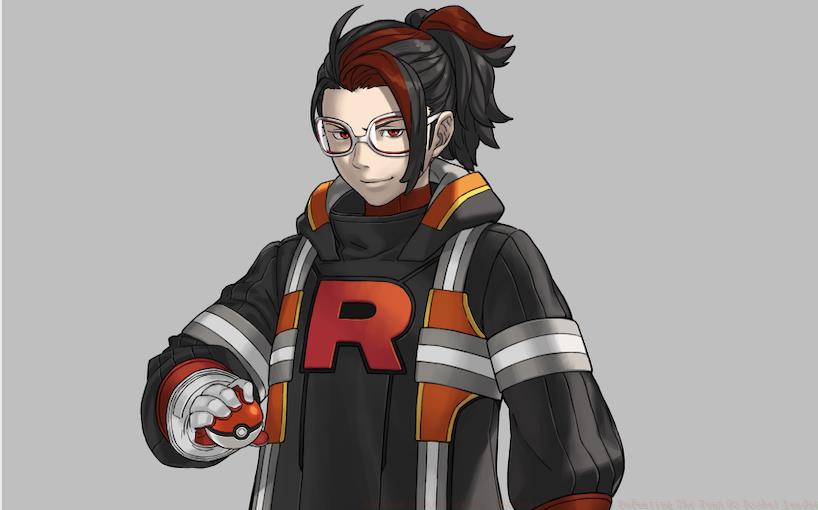
Conquering Team Go Rocket leaders requires specialized knowledge beyond standard Pokémon GO combat. Arlo presents a unique challenge with his predictable opening but randomized follow-up selections that demand adaptable strategy.
As a former Team Valor associate of Candela, Arlo employs calculated tactics that test your team-building flexibility. Unlike standard trainer battles, Rocket leader encounters feature enhanced difficulty with boosted Shadow Pokémon stats and aggressive AI behavior patterns.
Successful preparation involves understanding the three-phase structure where only the initial Pokémon remains constant. This battle format rewards trainers who can quickly assess opponent selections and adjust counter strategies mid-fight.
Arlo’s battle always commences with Shadow Venonat, providing a consistent starting point for strategy development. This Bug/Poison type presents multiple vulnerability avenues that skilled trainers can exploit.
Optimal counters include Fire-types like Reshiram or Chandelure that deal super-effective damage while resisting Venonat’s primary attacks. Flying-types such as Moltres or Staraptor also excel by leveraging double resistance to Bug moves and dealing amplified damage.
Psychic and Rock types offer additional coverage options. Alakazam with Confusion and Psychic can quickly dismantle Venonat, while Rampardos or Tyranitar provide sturdy Rock-type alternatives.
The battle’s second phase introduces strategic variability with three potential Shadow Pokémon selections. Each requires distinct counter approaches and presents unique combat challenges.
- Shadow Crobat (Weaknesses: Electric, Ice, Psychic, Rock) – This Poison/Flying type falls quickly to Electric attackers like Zekrom or Raikou, while Ice-types such as Mamoswine offer excellent coverage against multiple phase options.
- Shadow Manectric (Weaknesses: Ground) – As a pure Electric type, Ground moves are essential. Garchomp with Mud Shot and Earthquake or Rhyperior with Mud-Slap and Earthquake provide dominant matchups.
- Shadow Ursaring (Weaknesses: Fighting) – This Normal-type brute requires Fighting specialists. Conkeldurr with Counter and Dynamic Punch or Lucario with Counter and Aura Sphere deliver devastating super-effective damage.
Arlo’s final phase presents the most diverse challenge with three powerful Shadow Pokémon options. Strategic team building must account for all potential matchups while maintaining type coverage efficiency.
- Shadow Magnezone (Weaknesses: Fighting, Fire, Ground) – This Steel/Electric dual-type succumbs to Ground moves from Groudon or Excadrill, while Fighting-types like Marshadow provide alternative coverage.
- Shadow Scizor (Weaknesses: Fire) – As a Bug/Steel type, Fire attacks are overwhelmingly effective. Heatran with Fire Spin and Flamethrower or Blaziken with Fire Spin and Blast Burn can eliminate Scizor rapidly.
- Shadow Vileplume (Weaknesses: Fire, Flying, Ice, Psychic) – This Grass/Poison type has multiple vulnerabilities. Moltres with Wing Attack and Sky Attack or Mewtwo with Psycho Cut and Psystrike offer dominant performance.
Mastering Arlo requires more than just type matching—it demands strategic resource management and predictive gameplay. Shield usage represents your most valuable limited resource, requiring careful allocation throughout the encounter.
Energy management techniques involve building charge moves on favorable matchups to preserve shields for critical moments. Baiting opponent shields with lower-energy charge moves before unleashing powerful nukes can turn battle momentum in your favor.
Team composition should feature Pokémon with coverage moves that handle multiple potential opponents. For example, Mamoswine with Powder Snow and Avalanche/Bulldoze covers multiple phase 2 and 3 options effectively.
Common mistakes include over-investing in single-type specialists, failing to account for fast move damage, and poor shield timing decisions. Advanced trainers optimize their team selection based on current meta trends and personal roster strengths.
Action Checklist
- Build core team with Fire-type opener (Reshiram/Chandelure), Electric/Ground mid (Zekrom/Garchomp), and Fighting/Fire closer (Conkeldurr/Heatran)
- Practice shield timing – save shields for phase 3 unless facing immediate threat
- Memorize type weaknesses for all potential phase 2 and 3 Pokémon
- Optimize move sets for coverage – ensure team handles multiple matchup scenarios
- Execute battle with energy management – build charges on favorable matchups
No reproduction without permission:SeeYouSoon Game Club » Pokemon Go Arlo Guide: The Best Counters For Defeating The Team Go Rocket Leader Master Arlo's battle phases, counter his Shadow Pokémon, and claim victory with strategic team building