
TL;DR
- Starting classes determine initial stats and gear but don’t lock you into specific builds permanently
- Hero excels in strength-based melee combat with high survivability and straightforward progression
- Bandit specializes in stealth mechanics and Arcane stat benefits for item discovery and niche builds
- Min-maxing matters most for PvP optimization where every stat point affects competitive viability
- Consider your end-game build goals when choosing a class to minimize wasted stat points
Your journey through the Lands Between begins with a crucial decision: selecting your character’s starting class. This choice establishes your initial statistical foundation and determines the equipment you’ll wield from the very beginning of your adventure.
Elden Ring offers ten distinct starting archetypes, each providing unique stat distributions and starting gear combinations. While experienced players understand these classes don’t permanently restrict your build options, they significantly influence your early-game experience and can impact your statistical efficiency at higher levels.
The beauty of Elden Ring’s character system lies in its flexibility. You retain complete freedom to allocate attribute points according to your preferred playstyle as you progress. However, your starting selection provides specialized equipment and statistical advantages that benefit specific combat approaches from the outset.
For players focused on competitive PvP encounters or meticulous build optimization, class selection carries additional weight. Choosing a melee-oriented starting class when planning a pure magic build may result in several misplaced attribute points by your target level cap. While these points might not dramatically affect PvE viability, in player-versus-player battles where matches often conclude with minimal health margins, every statistical advantage becomes critically important.
This comprehensive guide examines each starting class in detail, helping you identify the optimal choice for your preferred gameplay approach. We assume basic familiarity with Elden Ring’s eight core attributes; if you need a refresher, consult our Class Guide for foundational knowledge.
With Elden Ring’s expansion Shadow of the Erdtree now available, numerous additional challenges await. Our extensive guides collection provides essential resources including complete world maps, premium weapon locations, and boss strategies to enhance your gameplay experience.
The Hero represents the quintessential strength-based warrior, beginning with exceptional Vigor, Endurance, and Strength attributes. This class equips a single-handed battle axe complemented by a medium shield for defensive versatility during intense combat situations.
Veterans of FromSoftware’s previous titles will immediately recognize and appreciate this straightforward melee approach. The Hero’s equipment allows for flexible combat styles—you can maintain shield protection or transition to two-handed weapon techniques for increased damage output.
As you develop your Hero character, prioritize continued investment in Strength and Vigor statistics. Strength determines your effectiveness with heavy weapons that scale with this attribute, while substantial health points from Vigor investment prove invaluable given your constant proximity to enemy threats.
Pro Tip: The Hero’s high starting Strength enables early access to powerful greatswords and colossal weapons found in Limgrave. Consider two-handing your weapon against enemies where dodging proves more effective than blocking.
Common Mistake: Many players overlook the importance of Endurance for this class. Adequate stamina management is crucial for executing multiple attacks, maintaining blocks, and successfully evading enemy assaults.
The Bandit class presents a specialized statistical distribution that heavily favors Arcane while providing moderate Dexterity. Other attributes begin at comparatively lower values, positioning this archetype as Elden Ring’s premier stealth specialist with starting equipment including a dagger and ranged bow capability.
Arcane primarily enhances item discovery rates from defeated enemies and influences certain sorcery and incantation effectiveness. This statistical focus makes the Bandit ideal for players interested in exploration-focused gameplay or specialized builds utilizing status effects and unique weapons.
For conventional playstyles focusing on direct combat or standard magic applications, the Bandit’s statistical spread proves less efficient. Players pursuing min-maxed builds for competitive play may find this class suboptimal due to its specialized attribute allocation.
Advanced Strategy: The Bandit excels with weapons that scale with Arcane, such as the Reduvia dagger. Combine these with stealth approaches and critical hit mechanics for devastating backstab attacks.
Optimization Tip: If planning a Dexterity-focused build, the Bandit provides a solid foundation despite its Arcane emphasis. However, for pure magic builds, consider the Astrologer or Prophet for better statistical efficiency.
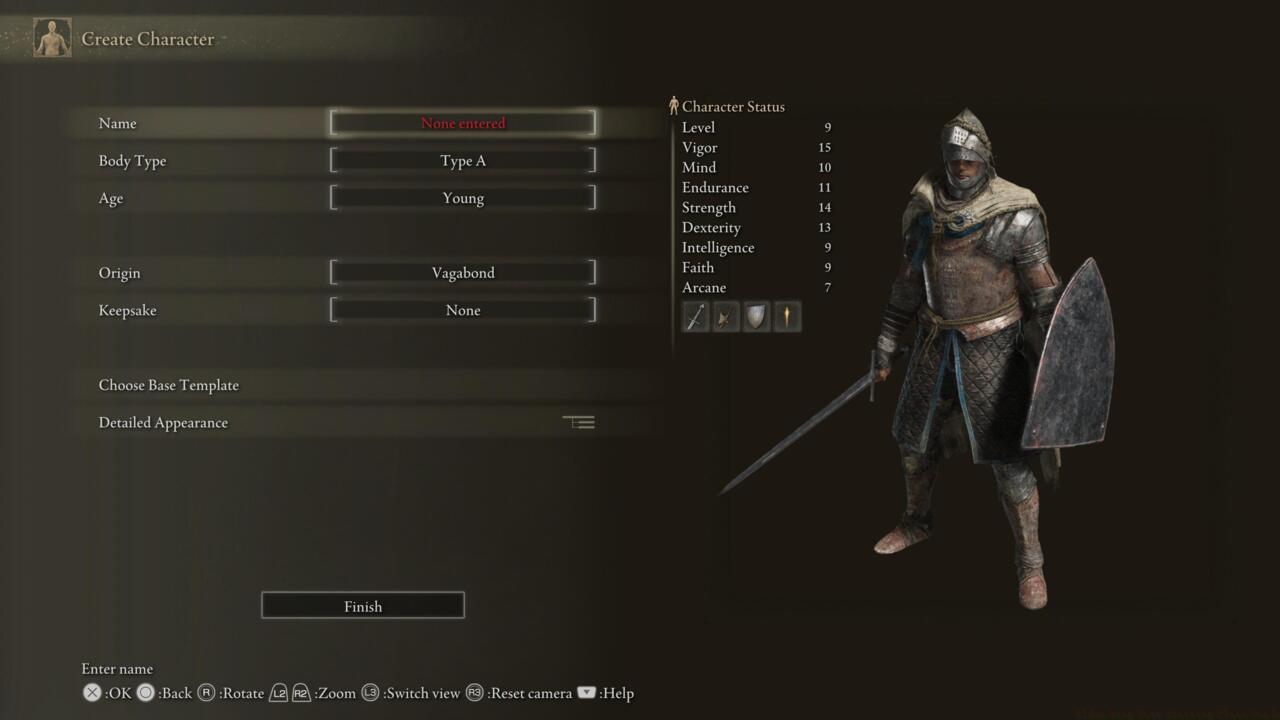
The Vagabond class offers superior defensive capabilities for players preferring tank-like gameplay approaches.
Understanding Elden Ring’s class system requires recognizing the distinction between starting equipment and long-term build potential. Your initial selection primarily determines early-game convenience rather than permanent specialization.
Min-Maxing for PvP: Competitive players should analyze their target build’s final statistical requirements before selecting a starting class. Even minor attribute point discrepancies can determine victory in closely-matched duels where statistical efficiency becomes paramount.
Common Pitfalls: Many new players mistakenly believe their starting class locks them into specific playstyles. While reallocation becomes available later, your initial statistical distribution permanently affects your character’s optimization potential.
Time Investment Considerations: Planning your build from the beginning can save 10-15 hours of gameplay that might otherwise be spent correcting statistical imbalances or farming for replacement equipment.
Mechanics Deep Dive: Each class’s starting statistical spread influences not just immediate capabilities but also determines which weapons and spells you can utilize during the critical early-game phase.
For comprehensive weapon information and unlock requirements, reference our detailed Weapons Unlock guide covering all available armaments and their statistical prerequisites.
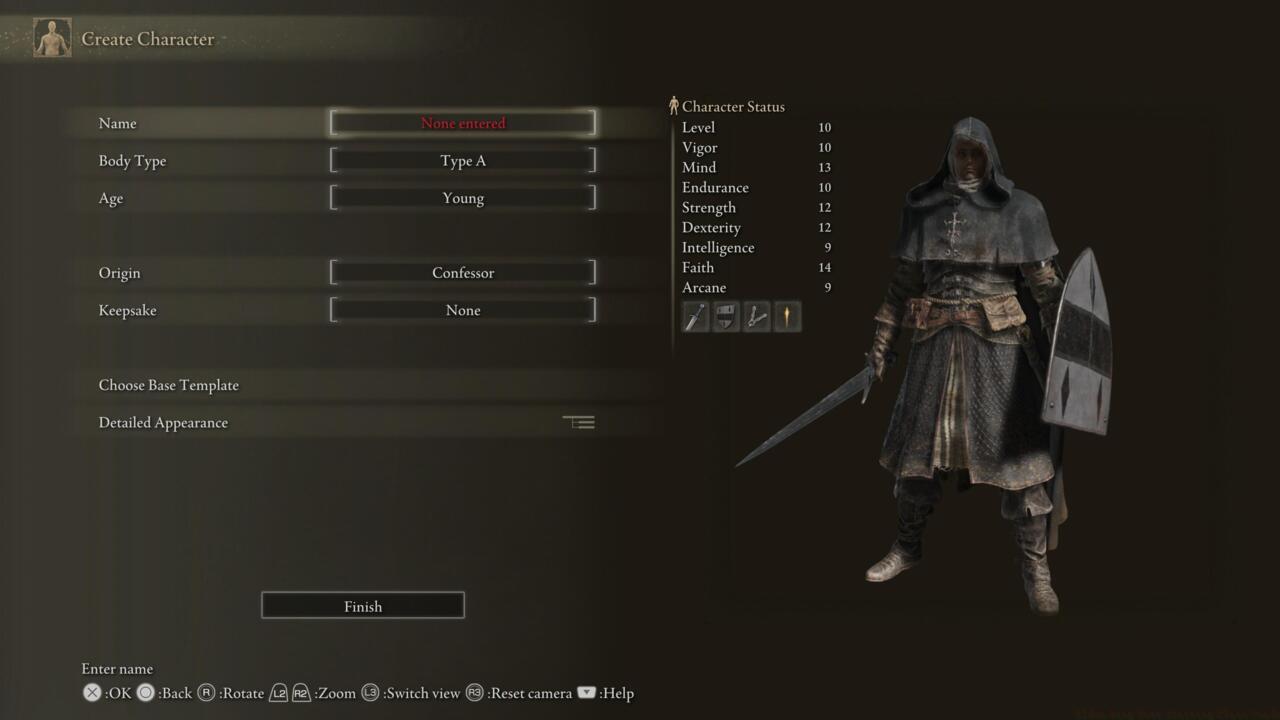
Confessor characters demonstrate proficiency with holy incantations from the game’s earliest stages.
Strategic class selection becomes particularly important when considering Elden Ring’s expansive end-game content and competitive PvP landscape. Your decision impacts both immediate gameplay satisfaction and long-term competitive viability.
Action Checklist
- Define your target end-game build and preferred playstyle before selecting a class
- Analyze each class’s starting statistical distribution for alignment with your build goals
- Consider early-game weapon accessibility and how starting equipment complements your planned approach
- Test different class approaches against early-game enemies to gauge combat feel
- Consult our Complete Guide for additional strategic insights
No reproduction without permission:SeeYouSoon Game Club » Elden Ring Best Starting Class Guide Master Elden Ring's starting classes with expert analysis, optimization tips, and strategic build guidance