
TL;DR
- Druid Talents provide passive enhancements that significantly boost Spirit generation, damage output, and form-specific abilities
- Strategic Talent selection can overcome the class’s early-game weaknesses through proper Spirit management and build synergy
- Werewolf-focused builds excel at mobility and critical strikes, while Werebear builds offer superior damage reduction and tanking capabilities
- Avoid common mistakes like neglecting Spirit regeneration talents or mismatching Talent choices with your active skill selection
- Advanced optimization involves timing Talent unlocks with key gameplay milestones and adapting to different content types
The Druid class in Diablo 4 features an extensive array of passive Talents that primarily enhance bear and wolf transformation abilities. These Talents function as foundational components that dramatically influence your combat effectiveness and playstyle customization.
During the Diablo 4 beta testing phase, many players found the Druid’s performance somewhat disappointing compared to other available classes. While the visual design and thematic elements of the Druid’s skills received positive feedback, there was widespread agreement that their numerical power fell short relative to alternative options. To effectively strengthen your Druid character, strategic investment in Talents becomes essential. These passive abilities enable deep build personalization and significantly amplify the potency of your active combat skills.
Our comprehensive guide below details every available Druid Talent while providing specific recommendations for several optimized build configurations that address the class’s perceived weaknesses.
Like other character classes in Diablo 4, the Druid’s Talents follow a structured progression system with prerequisite requirements. Certain advanced Talents remain inaccessible until you’ve invested sufficient skill points in preceding Talents within the same category. This hierarchical design mirrors the active skill tree progression, requiring thoughtful planning about which Talents to prioritize at different character levels. We’ve organized the complete Talent breakdown to provide clear visibility into the Druid’s progression pathways.
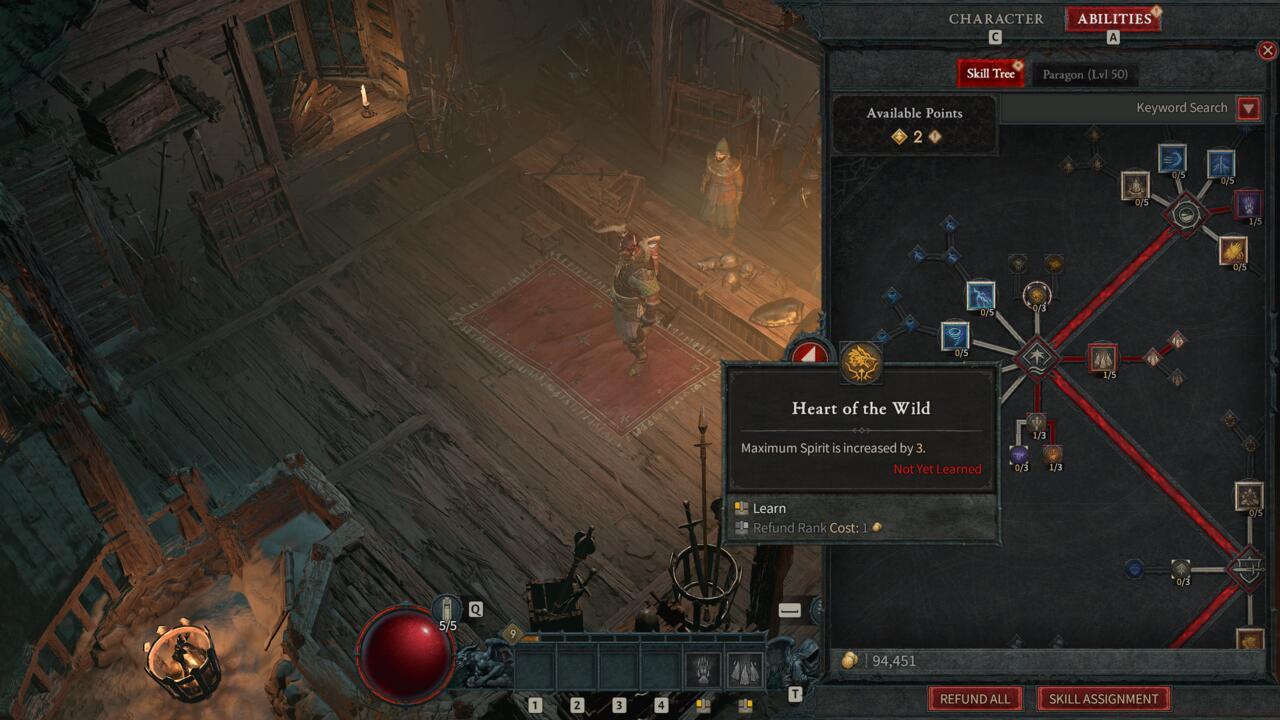
Druid Talents fundamentally enhance three core aspects of gameplay: Spirit resource management, damage amplification, and form-specific combat advantages. Understanding how these passive enhancements interact with your active skills is crucial for maximizing your effectiveness in both solo play and group content.
Heart of the Wild – This Talent increases your maximum Spirit pool, allowing you to store more resource for powerful Core skill sequences. A larger Spirit reservoir becomes particularly valuable for burst damage phases against elite enemies and bosses.
Abundance – Your Basic Skills generate additional Spirit with each use, dramatically improving your resource generation capabilities. This Talent is essential for maintaining consistent damage output during extended combat encounters.
Wild Impulses – While this Talent increases the Spirit cost of your Core Skills, it provides a substantial damage boost that often makes the trade-off worthwhile for damage-focused builds.
Predatory Instincts – Grants increased Critical Strike Chance against nearby enemies, making it exceptionally powerful for melee-oriented Druid builds that engage targets at close range.
Digitigrade Gait – Provides movement speed enhancement while in Werewolf form, improving both positioning capabilities and escape potential during dangerous situations.
Iron Fur – Offers significant damage reduction while transformed into Werebear form, substantially increasing survivability for tank-focused specializations.
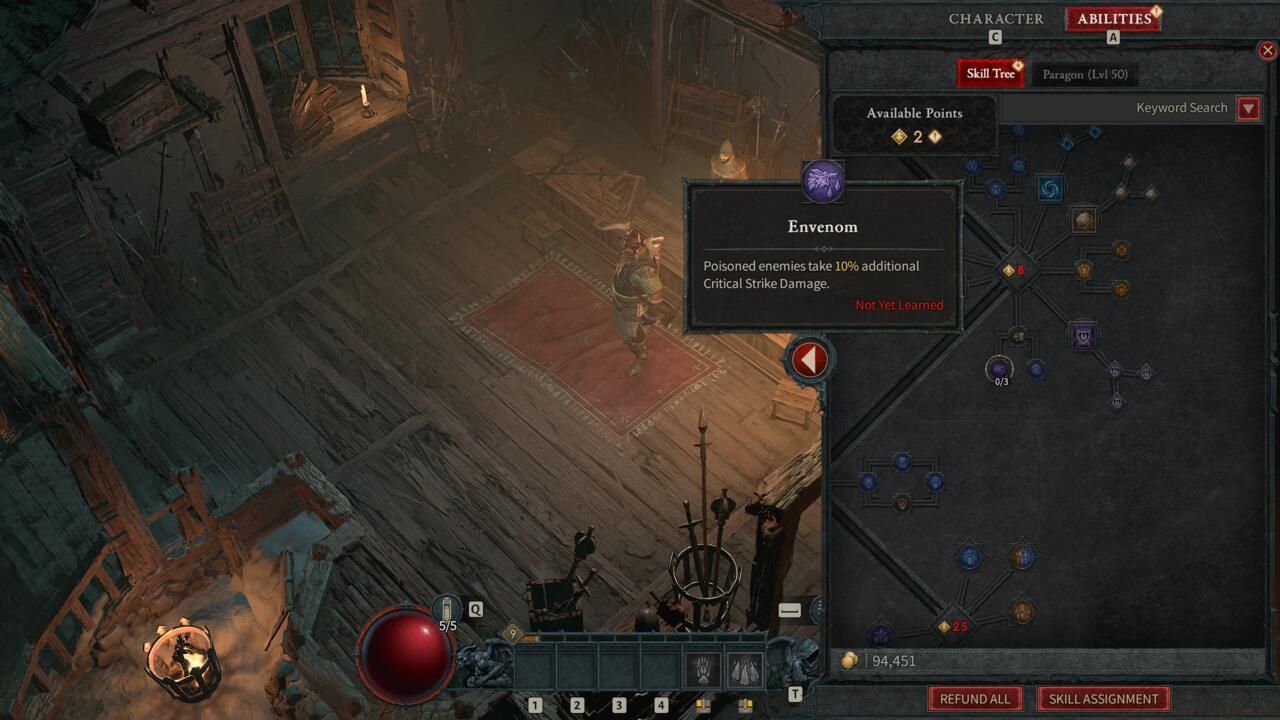
Creating effective Druid builds requires understanding how Talents synergize with both your chosen active skills and your preferred playstyle. The Talent system enables distinct specialization paths that cater to different combat roles and content types.
Werewolf Specialization: Combine Digitigrade Gait with Predatory Instincts for a highly mobile, critical strike-focused build. This combination excels at quickly eliminating priority targets while maintaining superior positioning. For optimal performance, pair these Talents with Werewolf-themed active skills like Shred and Rabies for maximum thematic and mechanical synergy.
Werebear Tank Builds: Iron Fur provides the defensive foundation for durable Werebear specializations. When combined with Talents that enhance Spirit generation, you create a resilient frontliner capable of withstanding substantial punishment while maintaining consistent damage output.
Hybrid Approach Tactics: Many successful Druid builds incorporate Talents from multiple specializations. For example, combining Heart of the Wild with Abundance creates a versatile foundation that supports both offensive and defensive playstyles, allowing you to adapt to different combat scenarios.
Understanding Talent unlock sequencing is critical for efficient character progression. Early investment in Spirit generation Talents like Abundance often provides more immediate power spikes than damage amplification choices, as consistent skill usage typically outweighs occasional burst potential during the leveling process.
Many Druid players undermine their effectiveness through easily avoidable Talent selection errors. Recognizing these common pitfalls can dramatically improve your gameplay experience and combat performance.
Early Game Spirit Neglect: Underestimating the importance of Spirit generation Talents in the early levels often leads to frustrating gameplay where you frequently find yourself unable to use your most powerful skills. Prioritizing Abundance within your first 10-15 Talent points typically provides the smoothest leveling experience.
Form Mismatching: Selecting Werewolf-specific Talents while primarily using Werebear skills (or vice versa) creates significant inefficiencies in your build. Ensure your Talent choices align with your most frequently used transformation forms.
Advanced Optimization: As you reach higher character levels, Talent selection should evolve to address specific content challenges. For nightmare dungeons and endgame activities, survivability Talents like Iron Fur often provide more value than pure damage enhancements.
For players exploring other class specializations in different games, the fundamental principle of matching passive enhancements with active abilities remains consistent across many RPG systems.
Action Checklist
- Prioritize Abundance Talent early for consistent Spirit generation
- Match Talent selections to your primary transformation form (Werewolf vs Werebear)
- Experiment with Wild Impulses once you have sufficient Spirit generation
- Incorporate Iron Fur for difficult content and survivability challenges
- Respec Talents when transitioning to endgame content to address specific challenges
No reproduction without permission:SeeYouSoon Game Club » Diablo 4 – Druid Talents Guide Master Druid Talents in Diablo 4 with expert builds, optimization tips, and strategic gameplay advice