
TL;DR
- Druids master shape-shifting and elemental magic with six distinct skill categories
- Basic skills provide foundation while core skills consume Spirit for powerful effects
- Strategic skill enhancement choices dramatically impact build effectiveness and playstyle
- Proper Spirit management and cooldown timing are crucial for optimal performance
- Advanced players should focus on skill synergies and situational ability usage
The Druid represents one of Diablo 4’s most versatile classes, blending shape-shifting capabilities with potent elemental magic. This hybrid nature allows for diverse playstyles ranging from frontline brawler to ranged spellcaster, making it appealing to both new players and series veterans.
Returning to the Diablo universe after two decades, the Druid class has undergone significant modernization while retaining its core identity. Players who experienced the class in Diablo 2 will find familiar elements but should prepare for substantial mechanical changes that demand adaptation. The class’s unique ability to transform between human, bear, and wolf forms provides tactical flexibility unmatched by other classes.
This comprehensive guide examines every Druid skill through the lens of practical application, providing not just descriptions but actionable strategies for optimization. We’ll cover everything from basic ability usage to advanced endgame build considerations.
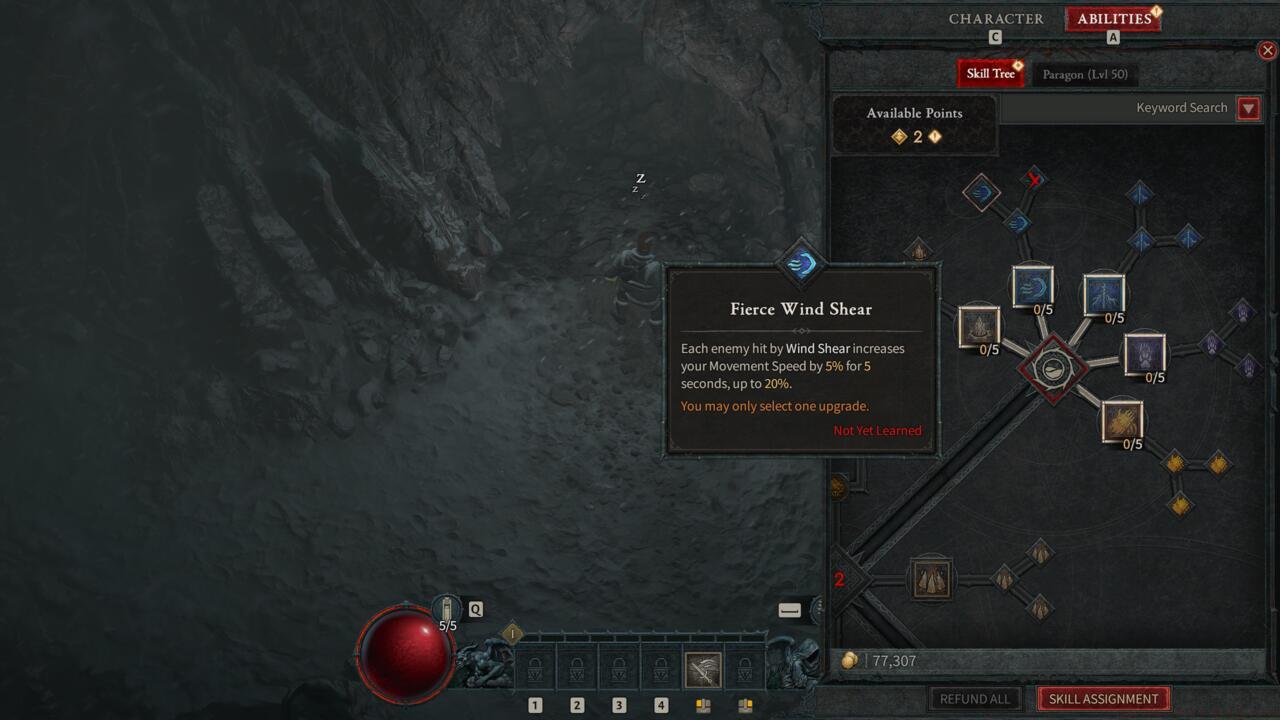
Basic skills serve as your primary Spirit generators and form the backbone of any Druid build. Mastering these abilities is essential for maintaining consistent damage output and resource flow during combat encounters.
Earth Spike – This terrain-manipulating ability fractures the ground to impale the initial enemy struck. Its relatively short cooldown makes it ideal for maintaining pressure while setting up more powerful attacks.
- Enhanced – Earth Spike gains a 10% probability to stun targets for 2.5 seconds, creating valuable crowd control opportunities
- Fierce – Generate Fortify equal to 2% of your Base Life whenever Earth Spike damages enemies suffering from stun, immobilization, or knockback effects
- Wild – Trigger an additional Earth Spike projectile when striking immobilized or stunned enemies, effectively doubling your damage potential against controlled targets
Wind Shear – Conjure a slicing blade of air that penetrates through multiple enemies. This skill excels at hitting grouped opponents and maintaining mobility during engagements.
- Enhanced – Wind Shear possesses a 20% chance to render enemies vulnerable for 4 seconds, significantly increasing subsequent damage taken
- Fierce – Each enemy struck by Wind Shear boosts movement speed by 5% for 5 seconds, stacking up to 20% maximum bonus
- Wild – Wind Shear provides 3 extra Spirit for every additional enemy hit beyond the first, making it exceptionally efficient against dense enemy groups
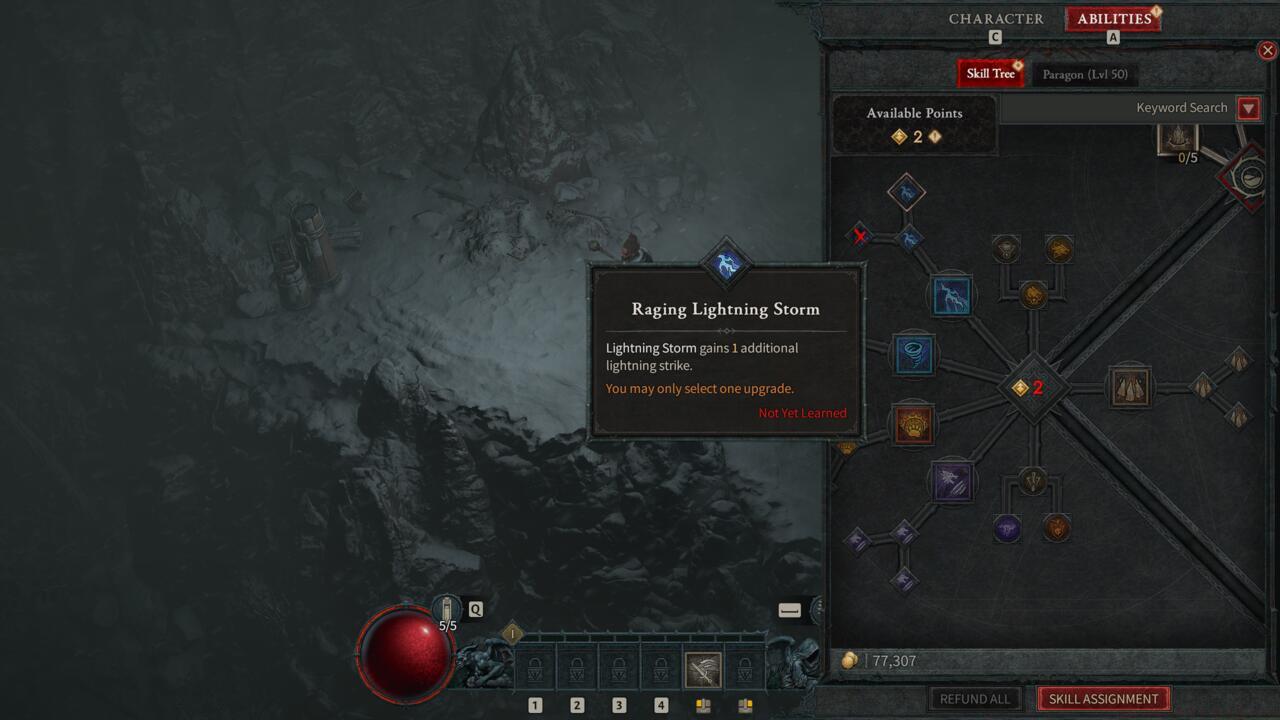
Pro Tip: Combine Earth Spike’s stun chance with Wild enhancement against elite enemies to maximize damage through double spikes while controlling dangerous targets.
Core skills consume Spirit to deliver significantly more powerful effects than basic abilities. Effective Spirit management separates novice Druids from experts, requiring careful balance between generation and expenditure.
These abilities typically form your primary damage rotation and should be selected based on your chosen specialization—whether focusing on werebear strength, werewolf agility, or elemental mastery.
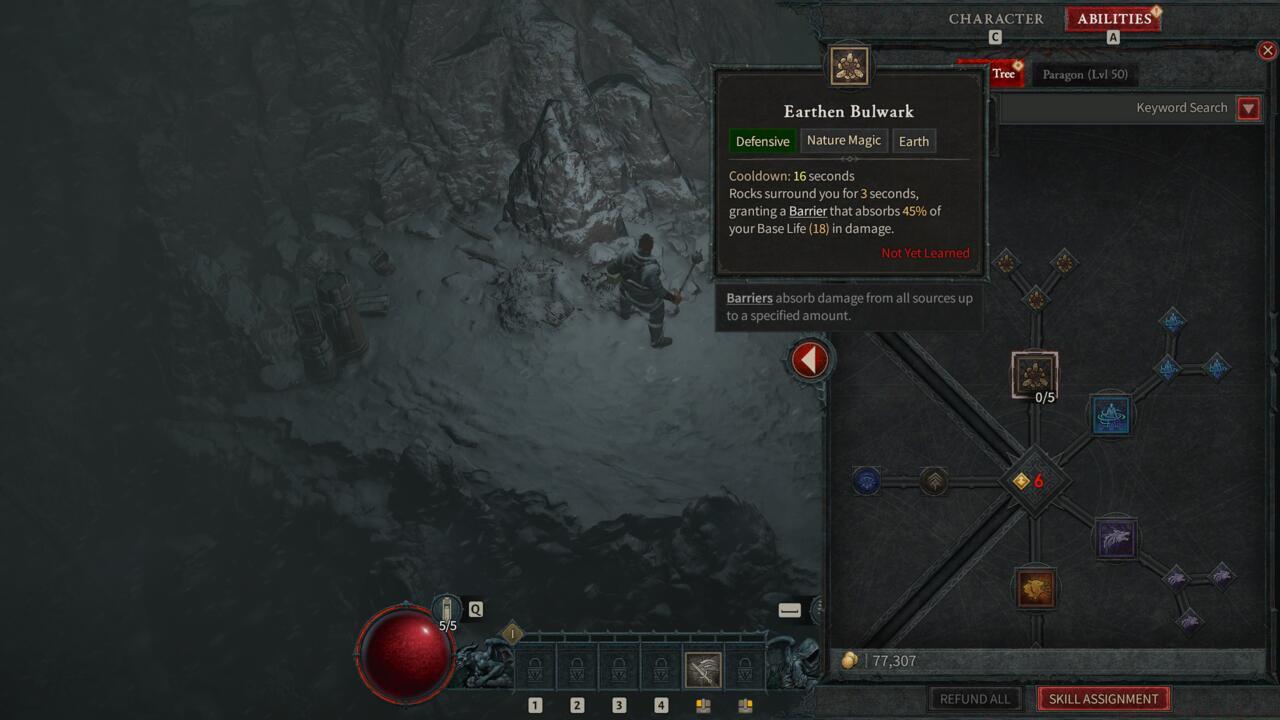
Common Mistake: Many players overlook Spirit cost efficiency, spamming core skills until depleted rather than maintaining optimal rotation patterns. This often leads to vulnerable periods where you cannot respond to threats effectively.
Advanced players should track their Spirit generation per second and align core skill usage to maintain at least 30-40% reserves for emergency defensive abilities.
Defensive skills provide crucial survival tools that enable Druids to withstand enemy assaults. Proper usage of these abilities often determines success in challenging content like Nightmare Dungeons and world bosses.
These skills typically feature longer cooldowns, making timing and situational awareness paramount. Using defensive cooldowns reactively rather than proactively represents one of the most common gameplay errors.
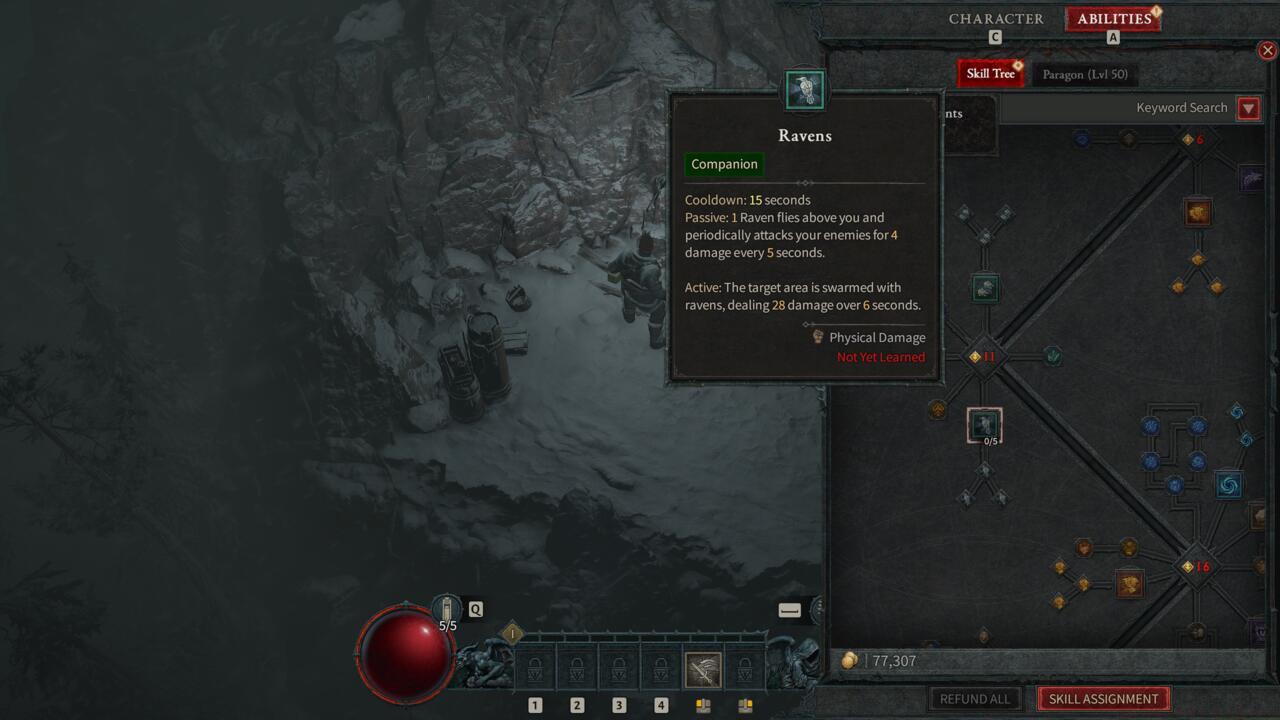
Advanced Technique: Pre-cast defensive abilities when anticipating major enemy attacks or entering dangerous areas. This proactive approach significantly increases survivability compared to reactionary usage.
Companion skills summon loyal creatures to fight alongside your Druid, providing additional damage, utility, and distraction. Effective pet management can dramatically reduce incoming damage by diverting enemy attention.
Different companion types excel in various situations—some offer superior single-target damage while others provide better area control or defensive benefits.
Optimization Tip: Position yourself to ensure companions engage high-priority targets first, particularly enemy spellcasters or ranged attackers that pose the greatest threat.
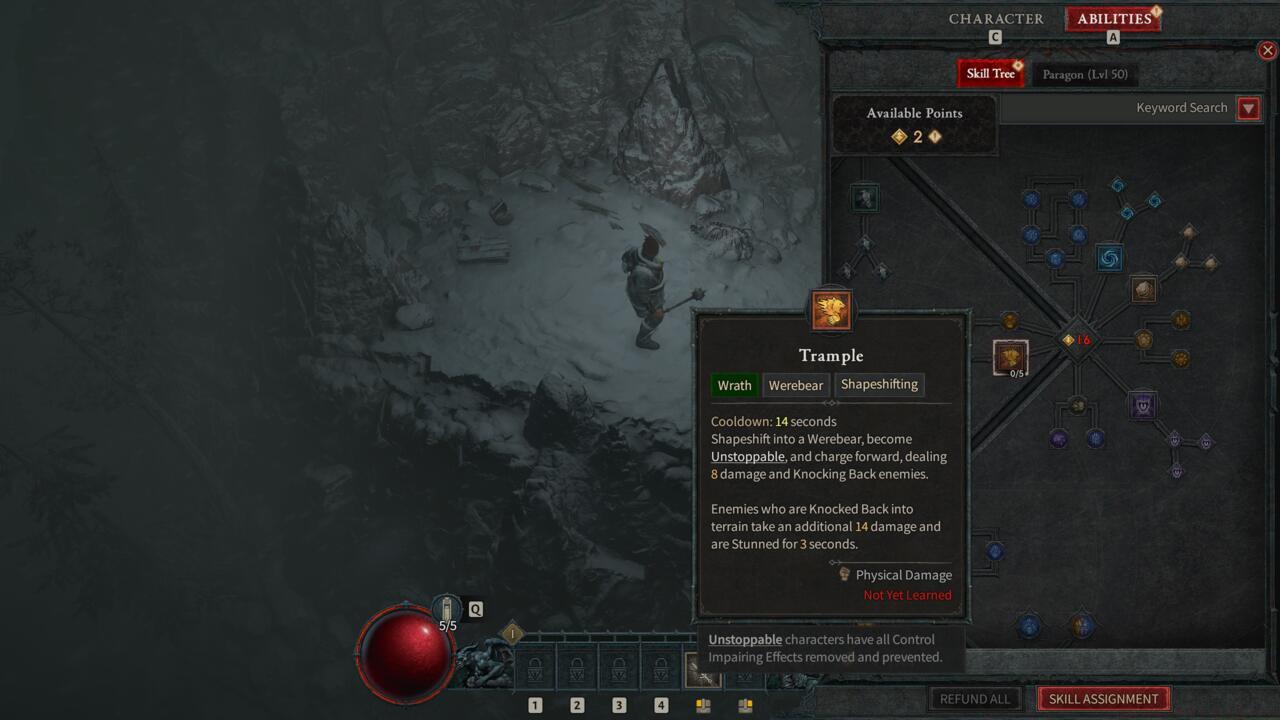
Wrath skills harness the raw power of nature’s elements—earth, wind, and storm—to control the battlefield and devastate enemies.
These abilities typically feature area-of-effect damage, crowd control, or both, making them exceptionally valuable against grouped opponents or in choke-point scenarios.
Elemental combinations can create powerful synergistic effects, such as using wind skills to group enemies followed by earth abilities for massive damage.
Strategic Insight: Combine Wrath skills with appropriate basic abilities to maximize their effectiveness. For example, using Wind Shear to trigger vulnerability before unleashing high-cost elemental attacks.
Ultimate skills represent the pinnacle of Druid power, offering transformative effects that can single-handedly swing combat encounters. These abilities feature extended cooldowns but deliver massive impact when deployed strategically.
Proper ultimate timing is crucial—using these abilities at optimal moments rather than immediately upon availability often yields dramatically better results.
Endgame Application: In high-level content, ultimates should be saved for critical situations like elite pack engagements, boss phase transitions, or when overwhelmed by regular enemies.
Advanced players should track enemy attack patterns and save ultimates for moments when they provide maximum value rather than using them on cooldown.
Action Checklist
- Master Spirit generation with basic skills before investing heavily in core abilities
- Experiment with different skill enhancements to find your preferred playstyle
- Practice defensive skill timing against world bosses to improve survivability
- Test skill synergies between different categories in lower difficulty content
- Optimize ultimate ability usage by tracking enemy attack patterns and saving for critical moments
No reproduction without permission:SeeYouSoon Game Club » Diablo 4 – Druid Skills Guide Master Diablo 4 Druid skills with advanced strategies, build optimization, and practical gameplay techniques