
Understanding Delta Force console delays and what players can expect from the development roadmap
Community Concerns and Developer Response
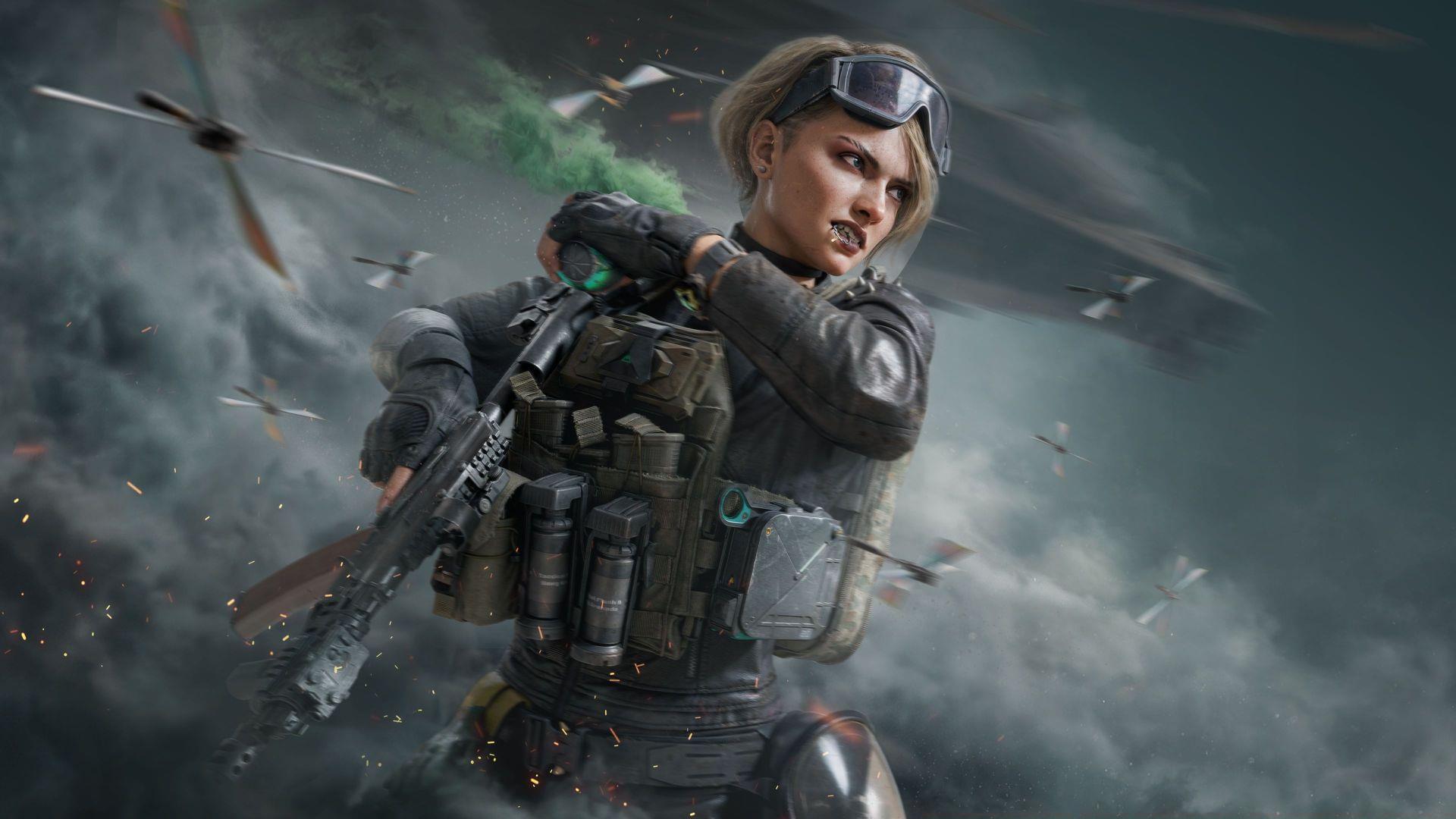
As Season 3 Eclipse Vigil approaches its launch window, Delta Force fans have amplified their expressions of disappointment concerning the tactical shooter’s console strategy. PlayStation and Xbox enthusiasts have been consistently requesting console accessibility since the initial playtesting phases. A substantial segment of the Delta Force community is urging TiMi Studio Group to deliver transparent updates about console development progress.
Community member @wcarmesini articulated the collective frustration through a response to an official Delta Force communication, highlighting the need for clearer development roadmaps.
For gaming communities, development roadmaps serve as essential communication tools that outline a studio’s strategic vision for upcoming content cycles. These comprehensive plans typically detail everything from environmental expansions and character introductions to quality-of-life improvements and technical optimizations.
Also read: Delta Force campaign Black Hawk Down review
Technical Challenges Behind the Delay
During a comprehensive Q&A session held on February 20, 2025, Game Director Shadow Guo provided detailed insights into the technical obstacles causing the console version postponement. The development team had originally targeted a first-quarter 2025 release for console platforms, but encountered unexpected complications with input balancing systems.
The primary technical hurdle involves achieving competitive input fairness between different control schemes. Console players using controllers must compete on equal footing with PC players utilizing keyboard and mouse configurations, requiring sophisticated input balancing algorithms and aim assistance systems that maintain competitive integrity.
Another significant development challenge centers around user interface optimization for the Operations game mode. Console controllers demand completely different navigation paradigms compared to PC interfaces, necessitating extensive redesign of menu systems, inventory management, and tactical command interfaces to ensure seamless controller compatibility.
Team Jade’s commitment to quality assurance means they refuse to deploy a substandard console experience that could compromise player satisfaction. The development team maintains rigorous internal testing protocols to ensure any released version meets their high standards for performance, stability, and user experience across all supported platforms.
Development Team’s Approach and Timeline
Shadow Guo formally apologized for the development delay and requested community patience as the team continues addressing these complex technical issues. The Game Director emphasized that delivering a polished, fully-featured console experience remains their top priority, even if it requires extending the development timeline beyond initial projections.
The development philosophy at Team Jade prioritizes quality over arbitrary release dates, understanding that first impressions significantly impact long-term player retention and community growth. This approach reflects industry best practices where delayed but polished releases typically outperform rushed products that suffer from technical issues and missing features.
While no revised release window has been officially announced, industry analysts suggest that comprehensive console porting for complex tactical shooters typically requires 6-12 additional months of development time beyond initial estimates. This extended timeline allows for thorough testing, optimization, and iteration based on community feedback from early access periods.
Players should monitor official Delta Force communication channels for timeline updates, including developer blogs, community updates, and scheduled Q&A sessions where the team shares progress milestones and addresses specific community concerns about feature implementation and release scheduling.
What Players Should Know About Game Development
Understanding the complexities of multi-platform development helps contextualize why such delays occur. Porting a sophisticated tactical shooter like Delta Force involves far more than simple control scheme adjustments—it requires complete re-engineering of input systems, performance optimization for different hardware architectures, and extensive compatibility testing across multiple console generations.
Common development pitfalls that teams must avoid include rushed optimization that compromises visual quality, inadequate input balancing that creates competitive disadvantages, and insufficient testing that leads to post-launch technical issues. Team Jade’s deliberate approach aims to circumvent these typical industry problems through methodical development practices.
For players eager to track development progress, recommended strategies include following official social media channels, participating in community forums with constructive feedback, and understanding that transparent communication about delays typically indicates a development team committed to quality rather than one facing insurmountable problems.
For more news on Delta Force, follow Sportskeeda:
No reproduction without permission:SeeYouSoon Game Club » “Console gamers are tired of waiting” Delta Force fans are disappointed with the game’s approach towards PlayStation and Xbox Understanding Delta Force console delays and what players can expect from the development roadmap