
Call of Duty’s potential shift from annual releases: What it means for players, esports, and gaming strategy
The Vanguard Wake-Up Call
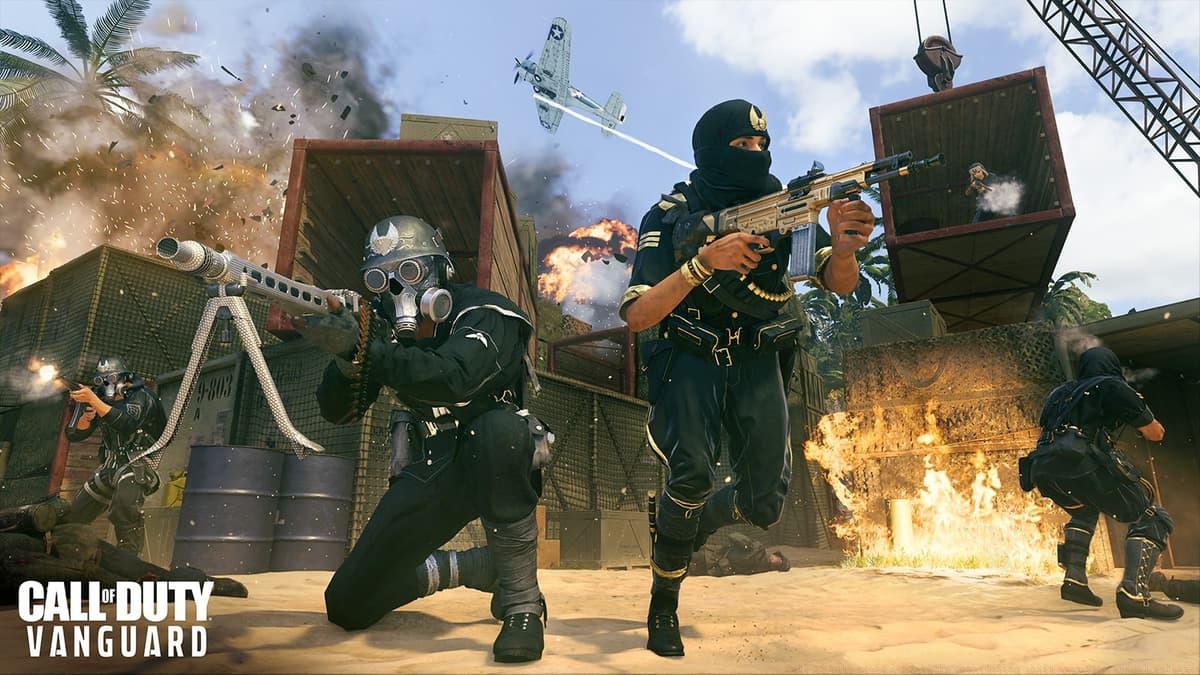
Activision executives are seriously reevaluating their longstanding annual release model following disappointing performance metrics from Call of Duty: Vanguard. The franchise’s traditional approach faces unprecedented challenges that demand strategic reconsideration.
The financial underperformance of Vanguard has triggered intense internal debates about the sustainability of yearly Call of Duty iterations, with key decision-makers exploring alternative release strategies.
Bloomberg’s investigative reporting reveals that Vanguard experienced a staggering 36% sales decline compared to the previous year’s installment in crucial markets like the United Kingdom. This significant downturn represents more than just a temporary setback—it signals potential franchise fatigue among the player base and raises questions about market saturation.
 Activision
The traditional annual Call of Duty release model faces unprecedented scrutiny following Vanguard’s market performance. Development teams have struggled with accelerated production timelines, resulting in persistent technical issues and slower-than-expected patch deployments. These operational challenges have compounded the sales performance concerns, creating a perfect storm that necessitates strategic reevaluation.
Microsoft’s Acquisition Impact
Microsoft’s landmark acquisition of Activision Blizzard has introduced new variables into the Call of Duty equation, with corporate strategists examining how the franchise fits into broader Xbox ecosystem plans. The ownership transition has accelerated internal discussions about long-term content strategies.
While Microsoft has publicly committed to maintaining PlayStation availability for Call of Duty titles, industry analysts speculate this could be a strategic move to facilitate GamePass expansion onto Sony’s platform. The subscription service model inherently favors longer-lived game titles with continuous content updates rather than annual replacements.
Corporate restructuring following the acquisition has created opportunities for fundamental strategy shifts. High-level Activision employees now have greater flexibility to challenge established practices, including the sacred annual release calendar that has defined the franchise for over a decade.
The Case for Slower Release Cycles
Transitioning away from annual releases could fundamentally transform both the player experience and competitive landscape for Call of Duty. Extended development cycles would allow for more polished launches, deeper gameplay systems, and sustained community engagement.
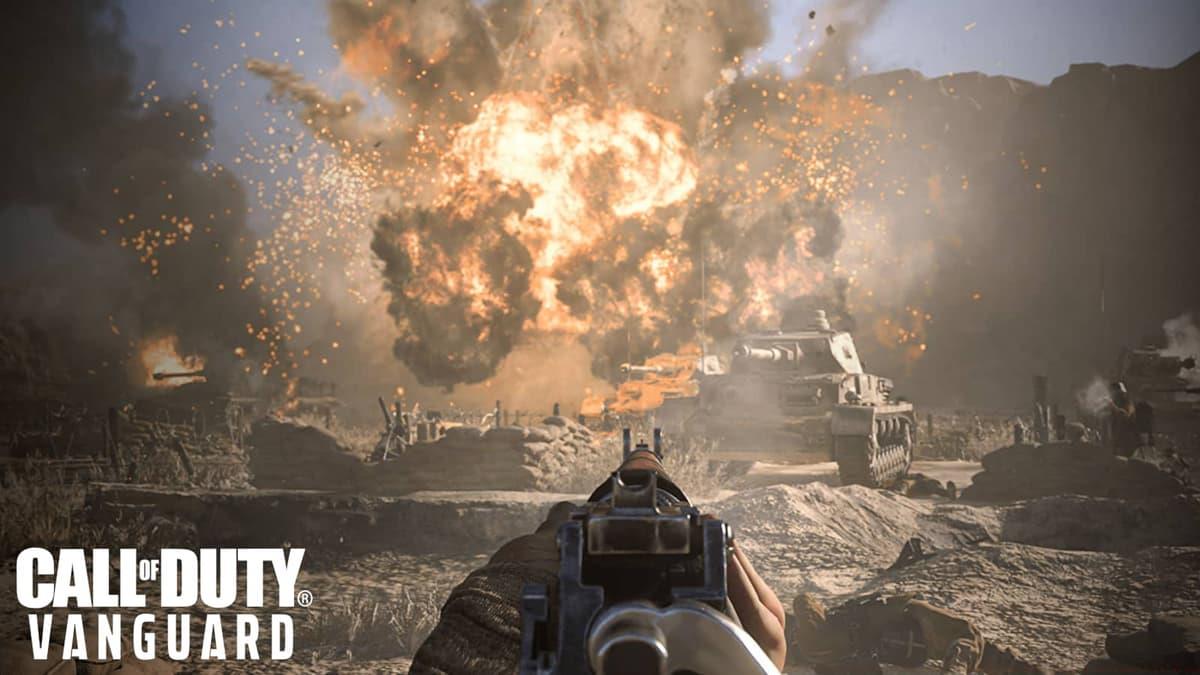
The competitive esports scene stands to benefit significantly from this potential shift. Successful competitive titles like League of Legends, Counter-Strike: Global Offensive, and Valorant demonstrate the power of continuous updates within a stable game foundation. The Call of Duty League currently faces annual disruption as teams and players adapt to new game mechanics, weapons balancing, and map pools.
 Activision
Extended development cycles could elevate both casual enjoyment and competitive integrity for the Call of Duty franchise. From a development perspective, longer timelines would enable more thorough quality assurance testing, deeper feature integration, and more meaningful post-launch content planning. The current annual cycle often forces teams to prioritize speed over innovation, resulting in incremental improvements rather than transformative experiences.
However, industry sources indicate that any transition likely wouldn’t occur until 2023 or later, meaning the rumored Modern Warfare 2 release for 2022 will probably follow the traditional annual model. This staggered implementation approach allows Activision to balance immediate revenue needs with long-term strategy evolution.
What This Means for Players
For the Call of Duty community, a shift away from annual releases would represent both opportunity and adjustment. Players would need to recalibrate expectations around content updates, game longevity, and community evolution.
Longer-lived titles would likely feature more substantial seasonal content updates, deeper battle pass progression systems, and expanded post-launch support. This model has proven successful for games like Fortnite and Apex Legends, which maintain player engagement through regular content injections rather than full game replacements.
Community management would evolve toward maintaining long-term player satisfaction rather than building hype for the next annual installment. This could lead to more responsive developer communication, faster bug fixes, and gameplay adjustments based on sustained feedback rather than waiting for the next release cycle.
At present, Activision has made no official announcements regarding release schedule changes. The gaming community should monitor corporate communications and investor calls for concrete information about the franchise’s future direction. In the interim, players can stay informed through official Call of Duty channels and trusted gaming news sources.
No reproduction without permission:SeeYouSoon Game Club » Call of Duty execs reportedly considering shift away from annual releases Call of Duty's potential shift from annual releases: What it means for players, esports, and gaming strategy