
TL;DR
- Operation Chaos requires decrypting a floppy disk using three specific evidence items from main missions
- Operation Red Circus involves identifying double agents through travel date analysis and ledger examination
- Both missions feature randomized puzzle elements that prevent direct solution copying
- Complete main campaign missions first to ensure you have access to all required evidence locations
- Solving these optional missions unlocks additional challenges and disrupts Perseus’ spy network
Call of Duty: Black Ops Cold War introduces two sophisticated optional missions that diverge from the game’s linear campaign structure. Operation Chaos and Operation Red Circus provide branching narrative paths reminiscent of Black Ops 2’s choice-driven gameplay, offering deeper engagement for tactical players.
Access these covert operations through the Evidence Board located in your safe house headquarters. However, launching them immediately upon availability presents significant challenges. Strategic timing proves crucial—wait until you’ve progressed through several main campaign missions to acquire the necessary intelligence and skills.
Each mission presents unique investigative challenges. Operation Chaos centers on decrypting classified intelligence from a floppy disk, while Operation Red Circus focuses on unmasking double agents within allied ranks. Both require meticulous evidence gathering from hidden collectibles scattered throughout primary missions.
The puzzle mechanics incorporate randomized elements, ensuring each playthrough offers fresh challenges. While evidence locations remain consistent, the decryption codes and agent patterns vary between game sessions, preventing simple solution replication.
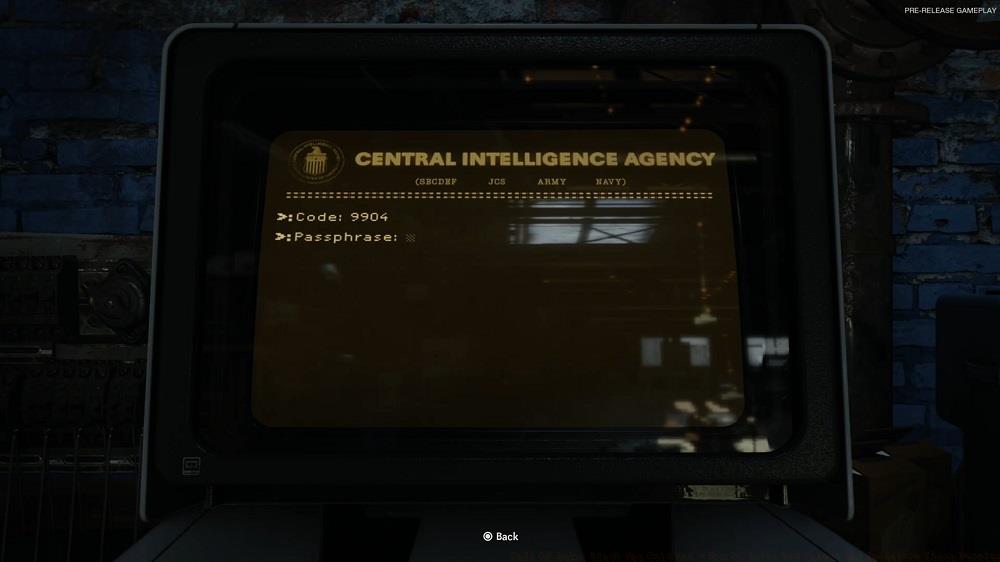
Successfully decrypting the Operation Chaos floppy disk requires solving both numerical sequences and linguistic puzzles derived from collected evidence.
Decrypting the Operation Chaos floppy disk demands three critical evidence items collected from specific campaign missions. Each piece contributes essential components to the decryption algorithm.
Essential Evidence Locations:
The decryption interface requests two distinct inputs: a code word derived from linguistic analysis and a code number calculated from numerical patterns. The Encoded Message to Qasim typically contains the passphrase through cipher patterns, while the Numbers Station Broadcast reveals mathematical sequences.
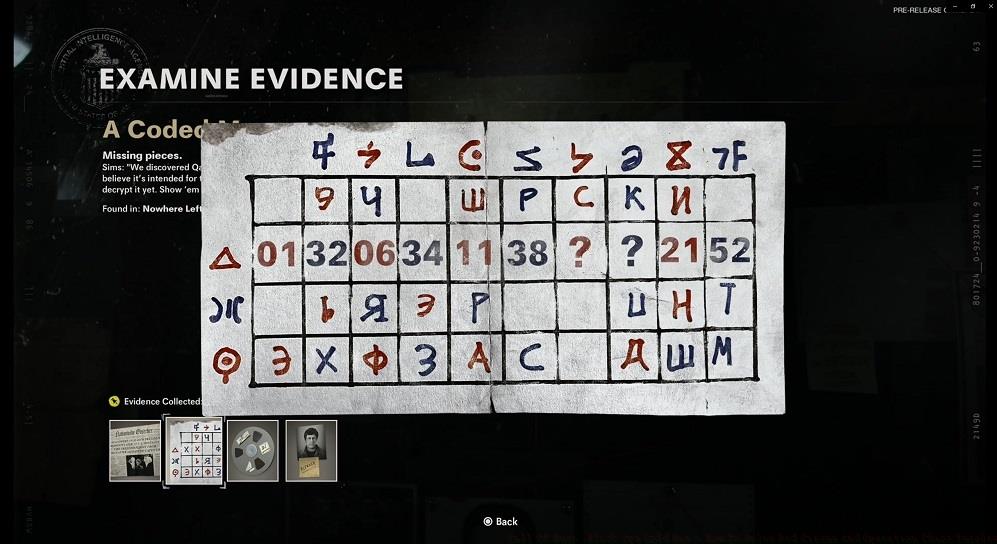
Numerical sequences follow mathematical patterns—look for arithmetic progressions, geometric sequences, or Fibonacci patterns in both colored number sets.
Pro Decryption Strategy: First, analyze the Numbers Station Broadcast for pattern consistency. Most sequences follow predictable mathematical progressions. Second, cross-reference the Encoded Message with the Coded Newspaper for contextual verification. Finally, input your derived code word before the numerical sequence.
Avoid the common mistake of attempting decryption immediately after collecting one piece of evidence. The three items work synergistically—partial analysis leads to incorrect solutions and mission failure.
Operation Red Circus presents a counter-intelligence challenge requiring identification of Perseus double agents through temporal and financial analysis. The mission leverages travel chronology and payment patterns to reveal covert allegiances.
Your investigation focuses on correlating agent travel dates with known dead drop operations and suspicious financial transactions. The travel ledger provides chronological data, while payment records reveal monetary patterns associated with espionage activities.
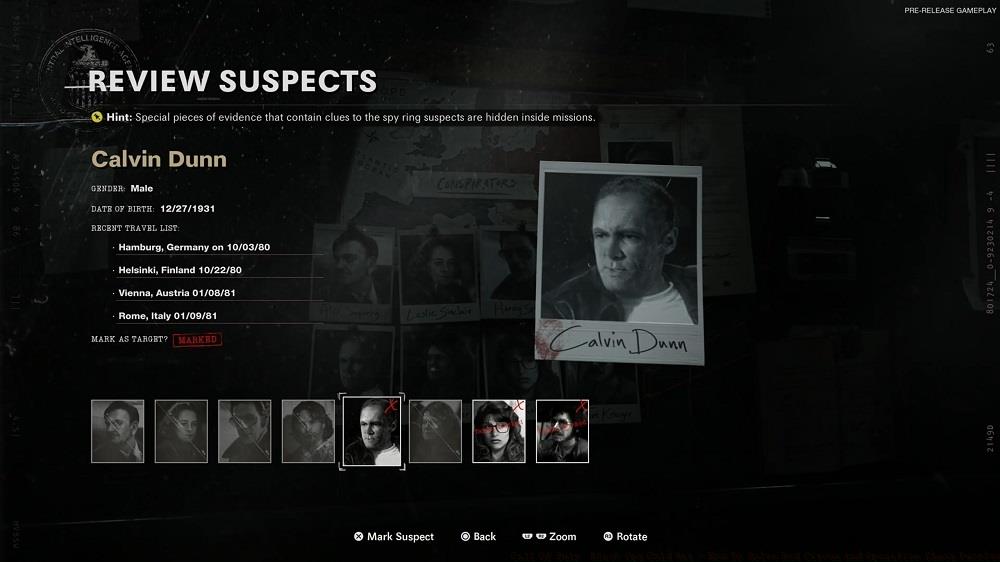
Agent identification relies on temporal correlation—match travel dates with known intelligence operations and analyze payment amounts against standard operative compensation.
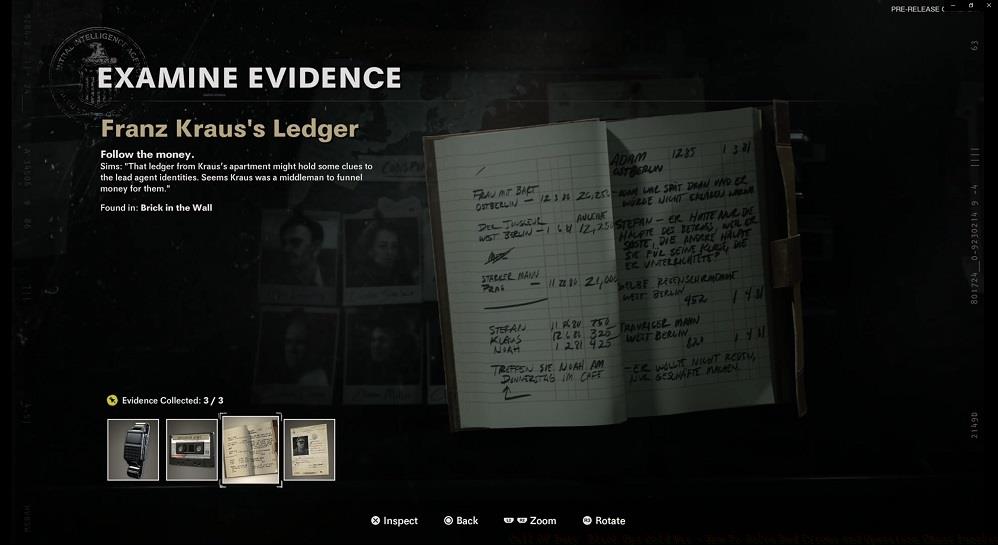
The payment ledger reveals financial anomalies—look for irregular payment amounts, unusual transaction timing, or payments coinciding with intelligence compromise events.
Advanced Identification Technique: Create a timeline mapping all agent movements against known Perseus operations. Agents present at multiple incident locations warrant immediate suspicion. Similarly, payments exceeding standard operative compensation suggest additional revenue streams from enemy intelligence.
Gender associations with codenames provide additional verification layers. Cross-reference codename gender indicators with travel party compositions and communication patterns for conclusive identification.
Seasoned players recommend documenting all travel and payment data externally before making final determinations. The randomized elements mean pattern recognition skills prove more valuable than memorized solutions.
Mastering these optional missions requires understanding both strategic approaches and frequent player errors. Proper preparation significantly reduces completion time and increases success probability.
Efficiency Optimization: Complete the campaigns ‘Nowhere Left to Run,’ ‘Brick in the Wall,’ and ‘Redlight, Greenlight’ before attempting either side mission. This ensures all evidence collection opportunities are available.
Common Investigation Errors:
Time Investment Estimates:
The randomized elements ensure replayability but demand adaptable problem-solving skills. While we provide methodology, your specific solutions will vary based on game-generated patterns.
Successfully completing these missions not only advances the narrative but also unlocks additional challenges and achievements. The satisfaction of dismantling Perseus’ network provides substantial narrative reward beyond the immediate gameplay benefits.
Strategic Note: These missions significantly enhance your understanding of Cold War’s espionage narrative and provide deeper insight into the game’s antagonist operations.
Action Checklist
- Progress through main campaign until ‘Nowhere Left to Run,’ ‘Brick in the Wall,’ and ‘Redlight, Greenlight’ are completed
- Collect Encoded Message to Qasim in ‘Nowhere Left to Run’ mission
- Secure Numbers Station Broadcast from ‘Brick in the Wall’
- Obtain Coded Newspaper in ‘Redlight, Greenlight’
- Analyze numerical sequences from Numbers Station Broadcast for pattern recognition
- Cross-reference Encoded Message with Coded Newspaper for verification
- Input derived code word followed by calculated code number
No reproduction without permission:SeeYouSoon Game Club » Call Of Duty: Black Ops Cold War – How To Solve Red Circus And Operation Chaos Puzzles Master Call of Duty: Black Ops Cold War's secret missions with comprehensive evidence collection and puzzle-solving strategies