
TL;DR
- Strawberries offer highest profit but require Egg Festival purchase planning
- Cauliflower provides best consistent profit for crops available all season
- Balance fast-growing crops with high-value options for steady income
- Plan for Community Center bundles requiring multiple spring crops
- Consider processing crops like coffee beans for maximum value
Mastering spring crop selection in Stardew Valley requires understanding seasonal limitations and strategic planning. Unlike summer and fall, spring offers fewer crop varieties, making optimal choices crucial for establishing your farm’s financial foundation.
Seasonal challenges include limited availability of premium crops like strawberries, which can only be purchased during the Egg Festival on Spring 13. This timing constraint forces farmers to plan their seasonal strategy weeks in advance. For crops consistently available at Pierre’s Store throughout spring, significant profit disparities exist between options, requiring careful economic analysis.
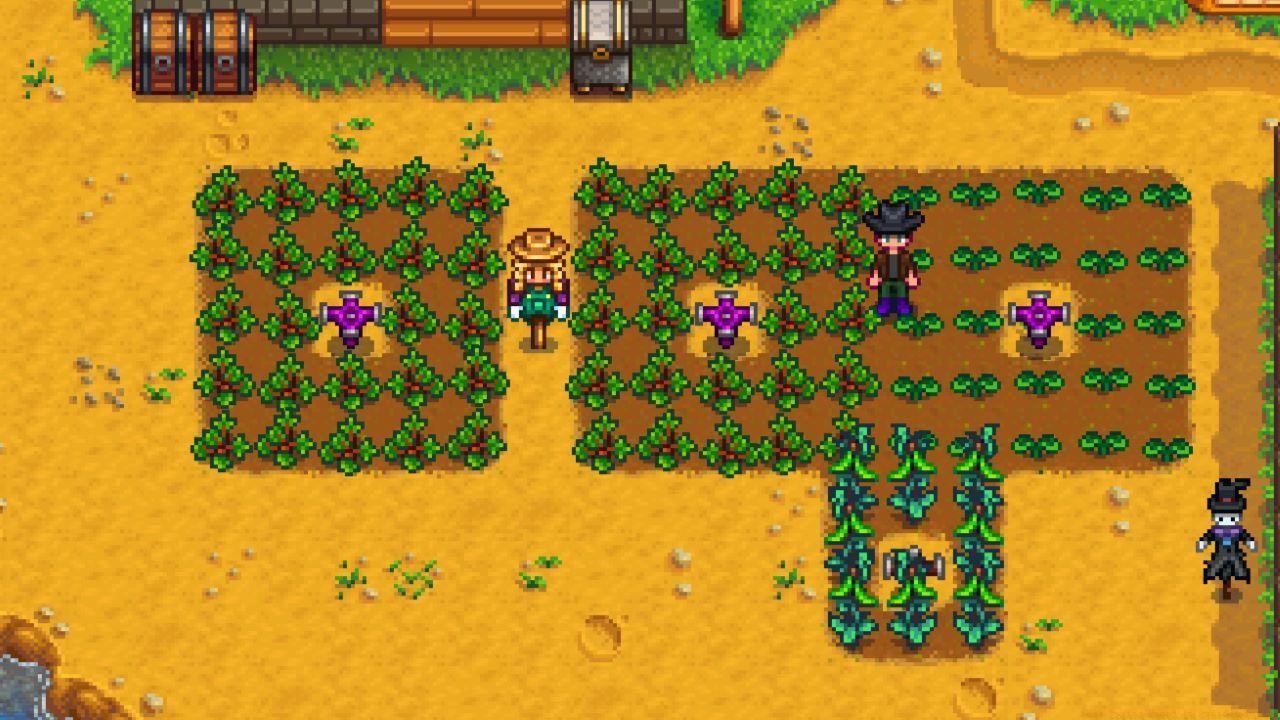
Strategic strawberry cultivation requires careful planning around the Egg Festival timing.
While strawberries deliver exceptional profitability, their limited availability window makes cauliflower the most reliable high-value crop for consistent seasonal income. Processing-dependent crops like coffee beans and unmilled rice offer substantial returns but require significant infrastructure investment in kegs and mills to realize their full potential.
Understanding crop economics involves analyzing seed costs, growth cycles, and potential returns. The following comprehensive table provides detailed financial data for all spring crop options:
| Crop | Seed Price | Growth Time (days) | Sell Price |
|---|---|---|---|
| Blue Jazz | 30G | 7 |
Normal: 50G Silver: 62G Gold: 75G Iridium: 100G |
| Cauliflower | 80G | 12 |
Normal: 175G Silver: 218G Gold: 262G Iridium: 350G |
| Garlic | 40G | 4 |
Normal: 60G Silver: 75G Gold: 90g Iridium: 120G |
|
Kale |
70G | 6 |
Normal: 110G Silver: 137G Gold: 165G Iridium: 220G |
| Parsnip | 20G | 4 |
Normal: 35G Silver: 43G Gold: 52G Iridium: 70G |
| Potato | 50G | 6 |
Normal: 80G Silver: 100G Gold: 120G Iridium: 160G |
| Rhubarb | 100G from Oasis | 13 |
Normal: 220G Silver: 275G Gold: 330G Iridium: 440G |
| Tulip | 20G | 6 |
Normal: 30G Silver: 37G Gold: 45G Iridium: 60G |
| Unmilled Rice | 40G | 6 if irrigated, 8 if not |
Normal: 30G Silver: 37G Gold: 45G Iridium: 60G |
| Carrot | Foraged during Spring | 3 |
Normal: 35G Silver: 43G Gold: 52G Iridium: 70G |
| Coffee Bean | 2,500G from Traveling Cart | 10 for initial growth, produces every 2 days after |
Normal: 15G Silver: 18G Gold: 22G Iridium: 30G |
| Green Bean | 60G | 10 for initial growth, produces every 3 days after |
Normal: 40G Silver: 50G Gold: 60G Iridium: 80G |
| Strawberry | 100G Egg Festival | 8 for initial growth, produces every 4 days after |
Normal: 120G Silver: 150G Gold: 180g Iridium: 240G |
Beyond pure profit calculations, strategic considerations include Community Center bundle requirements. The Spring Crops Bundle specifically demands parsnips, green beans, cauliflower, and potatoes—forcing diversification beyond single-crop optimization. This requirement creates tension between maximum profitability and completion objectives.
Cash flow management represents another critical factor. While cauliflower delivers impressive per-harvest returns, its 12-day growth cycle means you’ll only achieve two harvests during the entire spring season. Fast-growing alternatives like potatoes (6 days) and parsnips (4 days) provide more frequent income streams, crucial for early-game financial stability when operating capital is limited.
Season-long planning requires balancing multiple harvest cycles with varying crop values. For maximum spring profitability, consider these advanced techniques:
Multi-Harvest Crop Strategy: Strawberries, green beans, and coffee beans continue producing after initial harvest, dramatically increasing their seasonal value. A single strawberry plant purchased at the Egg Festival can yield 4-5 additional harvests before season end, making them exceptionally profitable despite the initial investment timing challenge.
Infrastructure Integration: Processing crops through kegs (coffee) and mills (rice) can triple their base value, but requires substantial resource investment. Early spring should focus on establishing this infrastructure while planting fast-growing crops to maintain income.
Common Strategic Errors: Many farmers overlook the importance of preserving some spring crops for summer seed production. Quality sprinkler placement optimization before planting can save significant watering time daily. Underestimating the value of multi-season planning often leads to suboptimal farm development.
Season transition planning is equally crucial. As spring concludes, ensure you harvest all crops on Spring 28, as they’ll wither overnight when summer begins. Plan your final plantings to align with season end—avoid planting 12-day crops after Spring 16 unless using Deluxe Speed-Gro fertilizer.
For comprehensive farm management guidance, explore our Complete Guide covering all seasonal strategies. If you’re focusing on combat efficiency, our Weapons Unlock guide provides essential weapon progression tips. Strategic class selection detailed in our Class Guide complements your farming strategy with optimized character development.
More Stardew Valley guides:
Stardew Valley: How To Upgrade Your Tools
Stardew Valley: How To Upgrade Your Tools
How To Unlock The Skull Cavern In Stardew Valley
How To Unlock The Skull Cavern In Stardew Valley
Action Checklist
- Plan Egg Festival strawberry seed purchase with 2,000-5,000G budget
- Balance crop selection between Community Center requirements and profit optimization
- Implement multi-harvest crops (strawberries, green beans) for sustained income
- Establish processing infrastructure (kegs/mills) for value-added crops
- Optimize final harvest timing to avoid season-end crop loss
No reproduction without permission:SeeYouSoon Game Club » Best Spring Crops In Stardew Valley Master spring farming with optimal crop strategies, profit calculations, and seasonal planning techniques