
Master the Path of Giants Barbarian with expert strategies, optimal builds, and advanced tactics for Baldur’s Gate 3
Introduction to the Path of Giants Barbarian
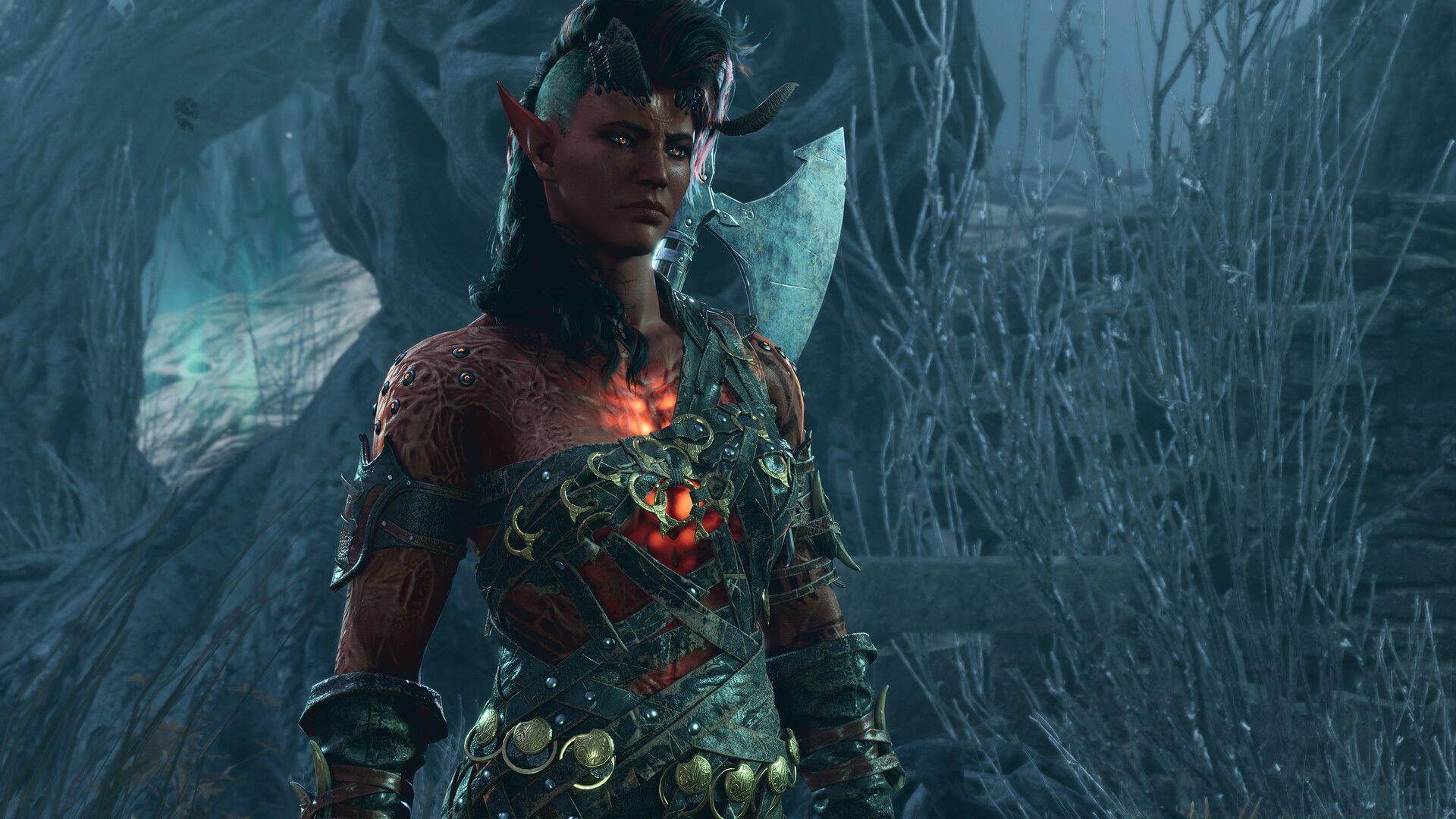
Baldur’s Gate 3’s Patch 8 unleashed the formidable Path of Giants Barbarian subclass, revolutionizing how players approach melee combat. This archetype channels the raw power of titans through Giant’s Rage, enabling your character to physically expand in size while gaining substantial combat advantages. Beyond mere stature enhancement, this specialization introduces innovative mechanics including enhanced throwing distances for both enemies and weaponry, coupled with significantly improved carrying capacity that redefines inventory management.
The core gameplay loop revolves around transforming into a living siege engine during combat encounters. When you activate your rage, you don’t just hit harder—you fundamentally change the battlefield dynamics. The throwing mechanics alone create unique tactical opportunities, allowing you to reposition enemies, utilize environmental hazards, and maintain offensive pressure even at range.
However, this power comes with notable limitations that require strategic planning:
Advanced players should note that the class truly shines when you master the timing of your transformations and learn to leverage the throwing mechanics for battlefield control rather than just damage output.
Optimal Race Selection for Giants Barbarian
Selecting the ideal racial foundation dramatically enhances the Path of Giants Barbarian’s effectiveness. While several options provide benefits, two races stand out for their exceptional synergy with the subclass mechanics.
Duergar Dwarves offer unparalleled value through their innate spellcasting progression. At character levels 3 and 6, they automatically gain access to Enlarge and Invisibility spells without consuming spell slots. The Enlarge spell creates incredible synergy with Giant’s Rage, effectively stacking size-based benefits for even greater damage output and threat radius. Meanwhile, Invisibility provides crucial tactical flexibility for positioning before engagements or escaping unfavorable situations.
Their racial traits further complement the build: Duergar Resilience grants advantage against paralysis effects—a common disabling condition in higher difficulties—while Superior Darkvision ensures combat effectiveness in dimly lit environments where other characters would struggle.
Half-Orcs present an alternative focused on maximizing critical hit potential. Their Savage Attacks feature adds an additional damage die on critical strikes, creating devastating synergy with the Barbarian’s Brutal Critical feature acquired at level 9. This combination transforms your character into a critical hit powerhouse, especially when combined with advantage-generating abilities like Reckless Attack.
For players seeking alternative options, consider Gold Dwarves for additional durability or Humans for versatility in skill proficiency and carrying capacity enhancements.
Attribute Distribution and Starting Stats
Proper attribute allocation forms the foundation of an effective Path of Giants Barbarian build. Your primary focus should maximize combat effectiveness while ensuring sufficient durability to survive extended engagements.
At character creation, prioritize Strength as your highest attribute, ideally starting with 17 points. This directly influences your attack accuracy, damage output, and the effectiveness of Athletics checks for grappling and shoving. Following closely, allocate points to Constitution, targeting 16 initially. This boosts your hit points per level and enhances your Armor Class when utilizing Unarmored Defense.
Dexterity deserves careful consideration—while medium armor can compensate for moderate Dexterity scores, maintaining at least 14 provides significant benefits to initiative rolls, Reflex saves, and potential AC bonuses. Many players mistakenly dump Dexterity, only to struggle with enemy spellcasters and area effects later in the game.
For mental attributes, distribute remaining points based on your chosen skill proficiencies. If focusing on Intimidation, consider Charisma around 10-12. For Perception and Survival skills, allocate to Wisdom. Intelligence typically becomes your dump stat, as it provides minimal combat benefits for this build.
Critical starting considerations often overlooked:
Advanced players should consider the eventual transition to Unarmored Defense builds, which requires higher Dexterity investment but offers superior AC potential in the late game.
Essential Skills and Proficiency Selection
Skill selection for the Path of Giants Barbarian extends beyond combat effectiveness into dialogue interactions and exploration utility. Strategic proficiency choices can dramatically enhance your overall gameplay experience.
Athletics stands as the most crucial proficiency for this specialization, directly influencing the performance of Giant’s Boot abilities and combat maneuvers. The skill governs shoving, jumping distance, and grappling effectiveness—all central to the subclass’s combat identity. Consider selecting a Soldier or Outlander background to gain automatic Athletics proficiency, which can be further enhanced through Rogue multiclassing later in your progression.
Intimidation provides substantial value in dialogue sequences without demanding significant Charisma investment. Many narrative paths in Baldur’s Gate 3 offer Intimidation options that can resolve conflicts favorably or unlock unique content. Since Barbarians naturally possess high Strength, they can often leverage physical intimidation in conversations.
Secondary skill considerations include Perception for detecting hidden threats and traps, Survival for navigation and tracking, and Insight for reading character motivations during dialogues. Avoid investing in Intelligence-based skills unless specifically building for roleplaying purposes.
Common mistake: Many players neglect non-combat skills, only to find their Barbarian ineffective during exploration and social phases. A balanced skill distribution ensures your character contributes meaningfully throughout the entire gameplay experience.
Pure Class Leveling Progression (Levels 1-12)
Mastering the Path of Giants Barbarian requires understanding key power spikes and ability acquisition throughout the leveling journey. This progression guide ensures optimal development from novice warrior to titanic force of destruction.
Levels 1-2: Foundation Establishment
Begin with core Barbarian features: Unarmored Defense provides AC flexibility, while Rage offers damage resistance and bonus damage. Danger Sense at level 2 grants advantage on Dexterity saves against visible effects, significantly improving survivability.
Level 3: Subclass Selection
This milestone unlocks Path of Giants with its signature Giant’s Rage ability. Your rage now increases your size, enhances throwing distance, and provides unique combat options. This transformation fundamentally changes your tactical approach to encounters.
Level 4: Initial Feat Selection
The Ability Improvement feat typically provides the most consistent power increase, boosting your Strength to 18. Alternative options include Great Weapon Master for burst damage or Athlete for improved mobility.
Level 5: Core Combat Enhancement
Extra Attack doubles your damage output potential, while Fast Movement partially addresses the subclass’s mobility limitations. This level represents a significant power spike in combat effectiveness.
Level 6: Subclass Advancement
Mighty Impel enhances your throwing capabilities, while Elemental Cleaver adds damage typing flexibility to your attacks, allowing you to adapt to various enemy resistances.
Levels 7-9: Defensive and Offensive Refinement
Feral Instinct improves initiative, Brutal Critical enhances critical hit damage, and subclass features continue to expand your elemental damage options and rage capabilities.
Levels 10-12: Peak Performance
The capstone abilities solidify your role as a battlefield titan, with Relentless Rage providing incredible durability and subclass features maximizing your colossal combat presence.
Key progression abilities in sequence:
Advanced progression tip: Plan your feat selections around eventual multiclassing if considering hybrid builds, as some feats provide more value in specific multiclass configurations.
Advanced Multiclassing Combinations
Strategic multiclassing can elevate the Path of Giants Barbarian from formidable to legendary status. The most effective combinations enhance action economy, provide additional combat options, and address the subclass’s inherent limitations.
The premier multiclass configuration combines 6 Barbarian levels with 4 Rogue (Thief) and 2 Fighter. This distribution maintains the Barbarian’s core power while dramatically expanding tactical flexibility.
Rogue Thief Synergy
The Thief subclass provides an additional Bonus Action through Fast Hands, which synergizes perfectly with the Barbarian’s bonus action economy. This enables you to activate rage, make off-hand attacks, use items, or perform special abilities while maintaining your full attack routine. Additional benefits include:
Fighter Integration
Two Fighter levels deliver substantial combat value through Action Surge, providing an additional action once per short rest. This can translate to devastating burst damage rounds or crucial tactical repositioning. The Fighting Style selection—typically Great Weapon Fighting—further enhances your damage output with two-handed weapons.
Alternative Multiclass Options
For players seeking different approaches, consider:
Critical consideration: Multiclassing delays your Barbarian feature progression, so carefully evaluate which core abilities you’re willing to postpone or sacrifice for multiclass benefits.
Gear and Equipment Progression
Strategic equipment selection dramatically enhances the Path of Giants Barbarian’s effectiveness throughout your Baldur’s Gate 3 campaign. This act-by-act guide ensures you acquire optimal gear at each progression stage.
Act 1: Foundational Equipment
Prioritize acquiring the Cap of Wrath and Cloak of Protection during early gameplay. These items provide consistent defensive benefits that scale throughout your adventure. Always maintain a reliable ranged weapon option for encounters where melee engagement proves impractical. The Returning Pike stands out as an exceptional choice for throwing-focused builds, automatically returning when thrown.
Act 2: Defensive Upgrades
The Adamantine Scale Mail represents a significant defensive upgrade with its damage reduction properties. This armor remains viable well into Act 3, making it a worthwhile investment. Seek out weapons with enhanced throwing properties or damage bonuses that synergize with your growing strength.
Act 3: Endgame Optimization
Balduran’s Giantslayer stands as arguably the strongest melee weapon for this build, with unique synergy for enlarged characters. Pair it with Killer’s Sweetheart for critical hit optimization. Additionally, seek out items that enhance mobility or provide resistance to control effects, addressing the subclass’s primary weaknesses.
Advanced Gear Strategy
Beyond the obvious choices, consider items that enhance your throwing capabilities, improve saving throws against magical effects, or provide bonus actions. The Helmet of Grit can provide additional bonus actions when at low health, creating interesting risk-reward scenarios.
Also read: Everything you need to know about the new Photo Mode in Baldur’s Gate 3
Subclass Comparison Analysis
Understanding how the Path of Giants compares to other Barbarian subclasses informs strategic build decisions and party role assignment. This analysis highlights key differentiators and situational advantages.
The Path of Giants distinguishes itself through unique battlefield control mechanics and damage type flexibility. While other Barbarian subclasses typically excel in specific combat roles, the Giants path offers versatile tactical options that adapt to various encounter types.
Versus Berserker
Berserker specializes in raw single-target damage through Frenzied Strike, while Path of Giants provides superior area control and environmental interaction. The throwing mechanics and size increases create tactical opportunities that Berserker lacks, though Berserker typically delivers higher consistent damage against single targets.
Versus Wildheart
Wildheart offers diverse animal-themed abilities with various utility effects, while Path of Giants focuses on direct combat enhancement. Giants typically provides more straightforward damage increases and battlefield manipulation, whereas Wildheart offers more strategic versatility through its various animal aspects.
Versus Wild Magic
Wild Magic introduces random magical effects during rage, creating unpredictable but potentially powerful situations. Path of Giants offers more consistent and controllable benefits, making it preferable for players who prefer reliable tactical planning over random bonuses.
Here is a comparative table to illustrate the fundamental differences between Barbarian subclasses in Baldur’s Gate 3:
The Path of Giants excels in parties that benefit from battlefield control and environmental manipulation. Its ability to throw enemies into hazards or reposition them for allies creates unique synergistic opportunities that other subclasses cannot replicate.
Solo Play Viability and Strategies
The Path of Giants Barbarian demonstrates remarkable viability for solo play, particularly in the challenging Honour Mode. Its combination of durability, damage output, and unique tactical options creates a self-sufficient combatant capable of overcoming most encounters alone.
Honour Mode Considerations
This build’s solo potential in Honour Mode stems from several key attributes: exceptional damage output across multiple ranges, impressive survivability through damage resistance, and a built-in weapon return system that eliminates ammunition concerns. The elemental damage infusion provided by weapon enhancements allows adaptation to various enemy resistances without requiring spellcasting support.
Primary Strengths for Solo Play
The automatic weapon return mechanic combined with enhanced throwing distance creates a powerful kiting strategy against melee-focused enemies. Meanwhile, the size increase during rage provides both defensive benefits through increased hit points and offensive advantages via expanded threat radius. The ability to throw enemies into environmental hazards or off cliffs provides creative solutions to challenging encounters.
Solo Limitations and Countermeasures
The subclass’s primary weaknesses in solo play include limited mobility against highly mobile enemies, complete vulnerability to magical control effects, and lack of utility outside combat. Counter these limitations by:
Advanced Solo Tactics
Master the art of pre-combat positioning using the environment to your advantage. Initiate encounters from elevated positions when possible, utilizing your enhanced throwing range to eliminate threats before they can engage. Preserve rage charges for challenging encounters rather than wasting them on trivial fights.
While the limited movement, absence of spells, and magical vulnerability present challenges, strategic play and proper preparation enable the Path of Giants Barbarian to triumph even in the most demanding solo scenarios.
Optimal Party Composition
Strategic party construction maximizes the Path of Giants Barbarian’s effectiveness while covering its inherent weaknesses. The ideal composition provides support, utility, and complementary damage types that enhance the overall party synergy.
The Giant Barbarian fundamentally requires three core companion roles to reach its full potential: a dedicated healer, versatile spellcaster, and skilled infiltrator. This combination addresses the subclass’s limitations while amplifying its strengths.
Astarion as Rogue Thief
Astarion excels in the Rogue Thief role, providing exceptional utility through lockpicking, trap disarming, and stealth capabilities. His additional bonus action synergizes with the Barbarian’s playstyle, while his high mobility and ranged damage complement the Barbarian’s melee focus. In combat, he can eliminate priority targets or provide flanking advantages.
Gale as Evocation Wizard
Gale serving as an Evocation Wizard delivers crucial area damage and crowd control capabilities. His spells can neutralize groups of enemies that would overwhelm a melee-focused character, while his Evocation specialization allows him to cast area spells without harming allies. The magical damage he provides covers enemies resistant to physical attacks.
Shadowheart as Life Cleric
Shadowheart in the Life Cleric role ensures party sustainability through healing, buffing, and enemy debilitation. Her healing magic keeps the Barbarian in fighting condition during extended engagements, while spells like Bless improve attack accuracy and saving throws. Additionally, she can stunlock dangerous enemies, creating safe engagement windows.
Alternative Composition Options
For players preferring different companions, consider:
This comprehensive guide to the Path of Giants Barbarian provides everything needed to master Baldur’s Gate 3’s colossal warrior. With this powerful build, players can experience multiple combat turns, versatile throwing mechanics, and dynamic elemental infusions. These capabilities, combined with the transformative Gigantic abilities, revitalize the Barbarian class with unprecedented tactical depth.
For additional Baldur’s Gate 3 content, follow Sportskeeda:
No reproduction without permission:SeeYouSoon Game Club » Baldur’s Gate 3: Baldur’s Gate 3: Best Barbarian Path of Giants Build guide Master the Path of Giants Barbarian with expert strategies, optimal builds, and advanced tactics for Baldur's Gate 3