
TL;DR
- Each Legend has unique perk trees requiring individual leveling to unlock
- Perks are divided into three color-coded categories with distinct functions
- Create multiple loadouts to adapt to different combat situations
- Focus on leveling multiple Legends to maintain competitive flexibility
- Higher-tier perks provide significant gameplay advantages but cost more tokens
Mastering Apex Legends Mobile’s perk system provides a crucial competitive advantage in the battle royale arena. This mobile-exclusive feature fundamentally changes how you approach character progression and tactical planning.
While Apex Legends Mobile shares core mechanics with its PC and console counterparts, it introduces several unique systems that differentiate the gameplay experience. The mobile version features exclusive Legends unavailable on other platforms, specialized game modes tailored for touch controls, and most importantly, the comprehensive perk system that adds depth to character customization.
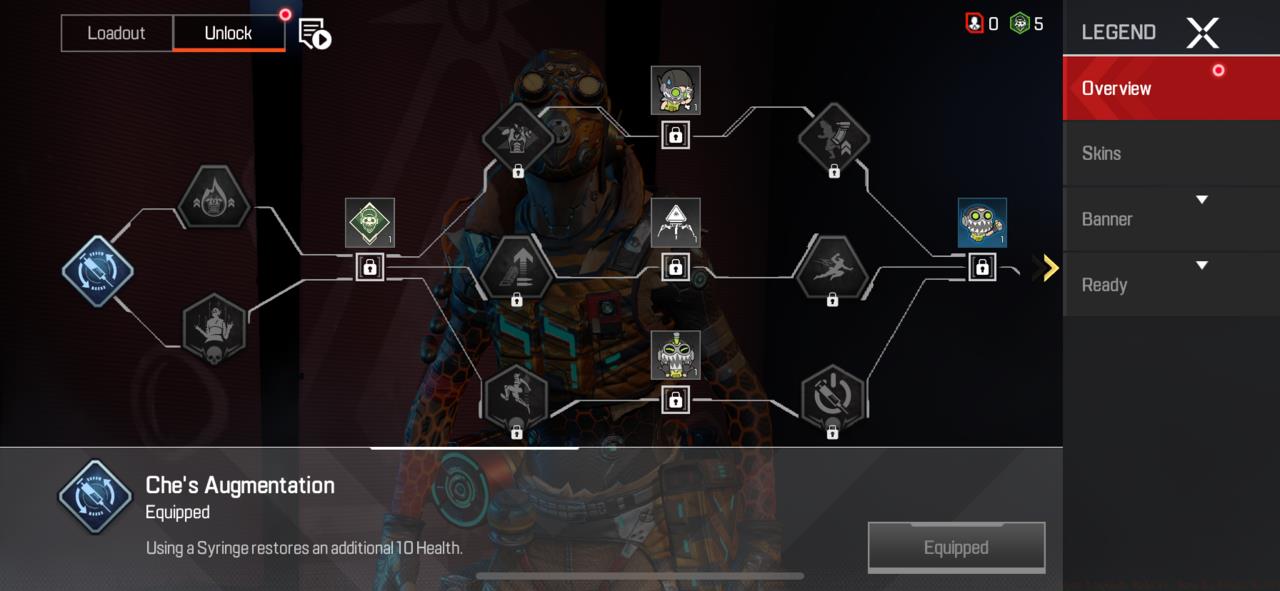
Each Legend’s perk tree offers unique progression paths that significantly impact their combat effectiveness.
Understanding this system early will help you maximize your performance and adapt your playstyle to counter various team compositions you’ll encounter in matches.
Accessing the perk system requires meeting specific progression milestones before it becomes available for customization. New players often struggle to find this feature initially due to its delayed unlock timing.
You’ll locate the perk interface within the Legends tab on your main menu screen. However, don’t expect immediate access upon downloading the game. The system typically unlocks after completing several initial matches—most players gain access after three games, though the exact conditions remain intentionally vague to encourage broader gameplay exploration.
Once unlocked, select any Legend and you’ll find the perk customization panel positioned on the right side of your screen. Each character progresses independently, meaning you’ll need to invest time leveling individual Legends to earn their specific tokens for perk acquisition.
The token economy within each skill tree follows an escalating cost structure. As you progress deeper into the tree, perk costs increase substantially, but the corresponding power and utility of these advanced abilities provide meaningful combat advantages that justify the investment.
The perk system organizes abilities into three distinct categories, each identified by color coding and rarity levels that indicate their relative power and situational value.
Blue-labeled Perks typically provide passive bonuses or conditional enhancements that activate during standard gameplay. Purple Finisher perks reward aggressive playstyles by granting special bonuses for executing downed opponents. Red Ability perks directly modify or enhance your Legend’s core tactical and ultimate abilities for dramatic combat impact.
You can equip only one perk from each category simultaneously, creating important strategic decisions about ability synergy. However, the system permits creating multiple loadouts for each Legend, allowing you to prepare specialized configurations for different map conditions or team compositions.
Examining Octane as an example reveals how these categories function in practice. His blue-tier Che’s Augmentation perk grants +10 health when using healing syringes, providing sustain during combat. The purple Battle Adaptation awards 100 EVO shield points for performing finishers, accelerating your defensive progression. His red ability Here Comes the Octrain eliminates movement penalties and boosts climbing speed by 20% during Stim activation, dramatically enhancing mobility.
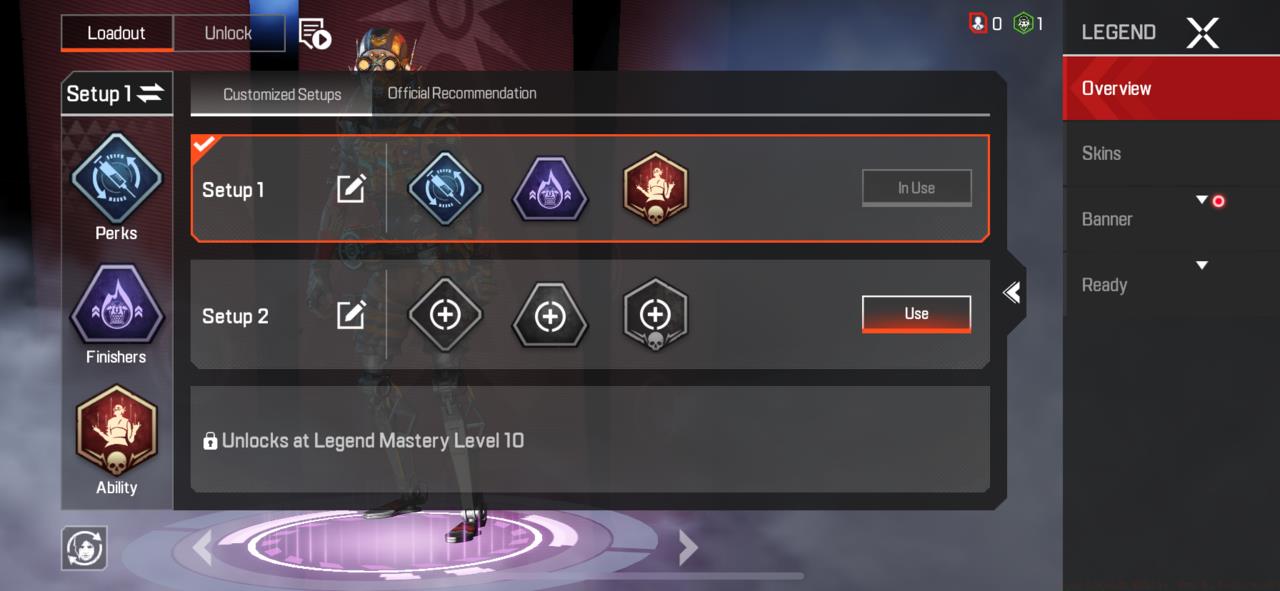
Multiple loadout configurations let you adapt your perk selections to different team strategies and combat scenarios.
Understanding these category distinctions helps you build more effective loadouts that complement your preferred playstyle while covering strategic weaknesses.
Currently, every Legend features three available perks within each category across their skill trees, alongside cosmetic unlocks that provide visual customization options.
To maintain competitive viability, prioritize leveling multiple Legends rather than focusing exclusively on a single main. This diversification strategy ensures you always have access to functional perk setups even when your preferred character gets selected by teammates. Understanding Class Guide principles about role flexibility can help inform your Legend selection strategy.
Advanced players should create specialized loadouts for specific situations—aggressive configurations for hot drops, defensive setups for late-game positioning, and support-oriented selections when playing with coordinated teams.
Common mistakes include overspecializing in one Legend, ignoring perk synergy combinations, and failing to adapt loadouts to current meta strategies. Avoid these pitfalls by regularly experimenting with different perk combinations and monitoring high-level player loadouts for inspiration.
Like mastering Weapons Unlock systems in other games, optimizing your perk selections requires understanding both immediate benefits and long-term progression efficiency.
Apex Legends Mobile also features its own battle pass system filled with exclusive skins and cosmetic items that complement your progression through the perk system, similar to how Complete Guide resources help players master complex game systems.
Action Checklist
- Complete 3-5 initial matches to unlock the perk system
- Navigate to Legends tab and examine each character’s perk tree
- Create at least 3 specialized loadouts per main Legend
- Level up 2-3 different Legends to maintain roster flexibility
- Experiment with perk synergies across different categories
No reproduction without permission:SeeYouSoon Game Club » Apex Legends Mobile: How Do Perks Work? Master Apex Legends Mobile's unique perk system with expert strategies and loadout optimization techniques