
Complete chronological guide to all Gears of War games with strategic play order recommendations
Introduction to the Gears Universe
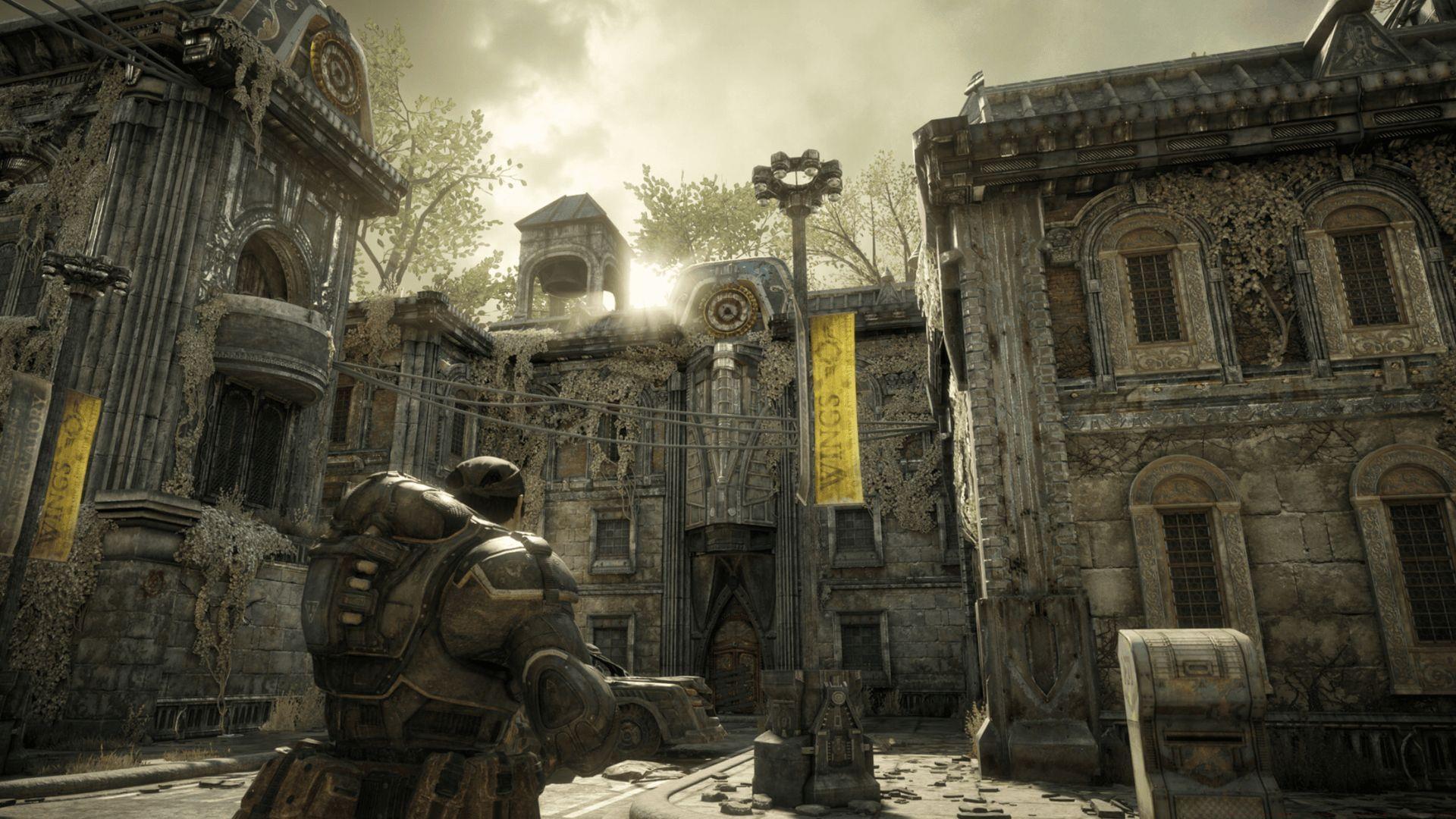
The Gears of War franchise presents an intricate narrative spanning decades, with prequels, sequels, and spin-offs creating a complex timeline. Newcomers often face confusion about the optimal playing sequence, especially with Gears of War: E-Day announced for 2026. This guide provides both chronological and release order pathways, along with strategic recommendations based on your gaming preferences.
Looking for Crossword hints & solutions? Check out latest NYT Mini Crossword Answers, LA Times Crossword Answers, and Atlantic Crossword Answers
Chronological Timeline Play Order
Gears of War: E-Day (2026) – This foundational entry plunges players into Emergence Day’s catastrophic events, where Locust forces emerge to devastate humanity. Witness Marcus Fenix and Dom Santiago as inexperienced soldiers developing into the battle-hardened warriors fans recognize. The game serves as the series’ origin story, establishing core relationships and the desperate tone that defines the franchise.
Gears of War: Judgment (2013) – Occurring shortly after E-Day, this title focuses on Damon Baird and Augustus Cole’s Kilo Squad through courtroom flashbacks. The narrative structure reveals early Locust War decisions under tribunal scrutiny, capturing humanity’s desperate survival tactics. This perspective showcases different military strategies during the conflict’s initial phases.
Gears Tactics (2020) – Breaking from traditional third-person shooter format, this strategy game occurs approximately one year post-E-Day. Follow Gabriel Diaz (father of later protagonist Kait) hunting Locust scientist Ukkon. Despite genre differences, it deeply enriches series lore by detailing COG’s tactical operations and resource management during early war years.
Gears of War: Ultimate Edition (2015) – Set 14 years after Emergence Day, this enhanced version of the original introduces most players to the series. Marcus Fenix’s prison release leads to rejoining Delta Squad for a desperate Lightmass bomb mission. This chapter established the franchise’s signature cover-based combat, brutal aesthetic, and memorable character dynamics.
Gears of War 2 (2008) – Six months following the original, Delta Squad ventures deeper into the Hollow underground realm. Escalating stakes include city-sinking threats and intensely personal squad conflicts. This installment expanded the war’s scale while introducing some of the series’ most emotionally resonant narrative moments.
Gears of War 3 (2011) – The original trilogy’s conclusion finds humanity besieged by both Locust and Lambent threats. Marcus and allies confront final battles while uncovering secrets about his father’s research. Widely regarded as series peak, it delivers emotional closure and refined gameplay mechanics.
Gears of War 4 (2016) – Twenty-five years later, a new generation featuring JD Fenix (Marcus’s son), Kait Diaz, and Del Walker confronts the Swarm enemy. This sequel bridges eras by blending veteran characters with fresh protagonists while modernizing combat systems for contemporary gaming standards.
Gears 5 (2019) – Continuing directly from Gears 4, Kait Diaz takes protagonist role investigating her mysterious Locust connections. Her family history exploration coincides with Swarm escalation, featuring open-world elements and narrative choices affecting story outcomes—a series first.
Original Release Order Experience
For players seeking the authentic fan experience, following the original release sequence provides insight into the series’ evolution:
- Gears of War (2006) – Foundation of cover mechanics and horror-themed combat
- Gears of War 2 (2008) – Expanded multiplayer and deeper narrative
- Gears of War 3 (2011) – Trilogy conclusion with refined gameplay
- Gears of War: Judgment (2013) – Prequel with altered combat systems
- Gears of War: Ultimate Edition (2015) – Remastered original with enhanced visuals
- Gears of War 4 (2016) – New generation and engine introduction
- Gears 5 (2019) – Open-world elements and choice mechanics
- Gears Tactics (2020) – Strategy genre spinoff
- Gears of War: E-Day (2026) – Upcoming origin story
This progression allows players to appreciate technological advancements and design philosophy changes as developers introduced new features across generations.
Strategic Play Recommendations
For New Players: Begin with Gears of War: Ultimate Edition to experience the foundational gameplay mechanics and story that defined the series. Progress through Gears 2 and 3 for the complete original trilogy arc before exploring prequels and newer entries.
Common Mistake to Avoid: Don’t start with Judgment despite its chronological placement—its altered control scheme and mission structure differ significantly from mainline titles and may create confusion about core mechanics.
For Story Completionists: Follow chronological order (E-Day → Judgment → Tactics → Ultimate Edition → Gears 2 → Gears 3 → Gears 4 → Gears 5) for comprehensive narrative immersion, though note this requires jumping between different gameplay styles and generations.
Optimization Tip: Play Gears Tactics after completing the original trilogy to better appreciate its lore connections without disrupting the core third-person shooter gameplay flow.
With E-Day’s upcoming release, current timing provides ideal opportunity to experience the series through either narrative or historical lenses, whether revisiting fond memories or discovering this iconic franchise for the first time.
For more articles like this, follow Sportskeeda:
- FPS fans are more excited for Battlefield 6 than Black Ops 7, is Call of Duty dying?
- Esports Awards 2025: All winners across every category
- Esports World Cup 2025 Club Championship: Final standings, prize distribution, and more
No reproduction without permission:SeeYouSoon Game Club » All Gears of War games in order: Chronological and release Complete chronological guide to all Gears of War games with strategic play order recommendations