
Complete chronological guide to Doom games with story analysis, gameplay tips, and franchise evolution insights
Introduction to the Doom Legacy
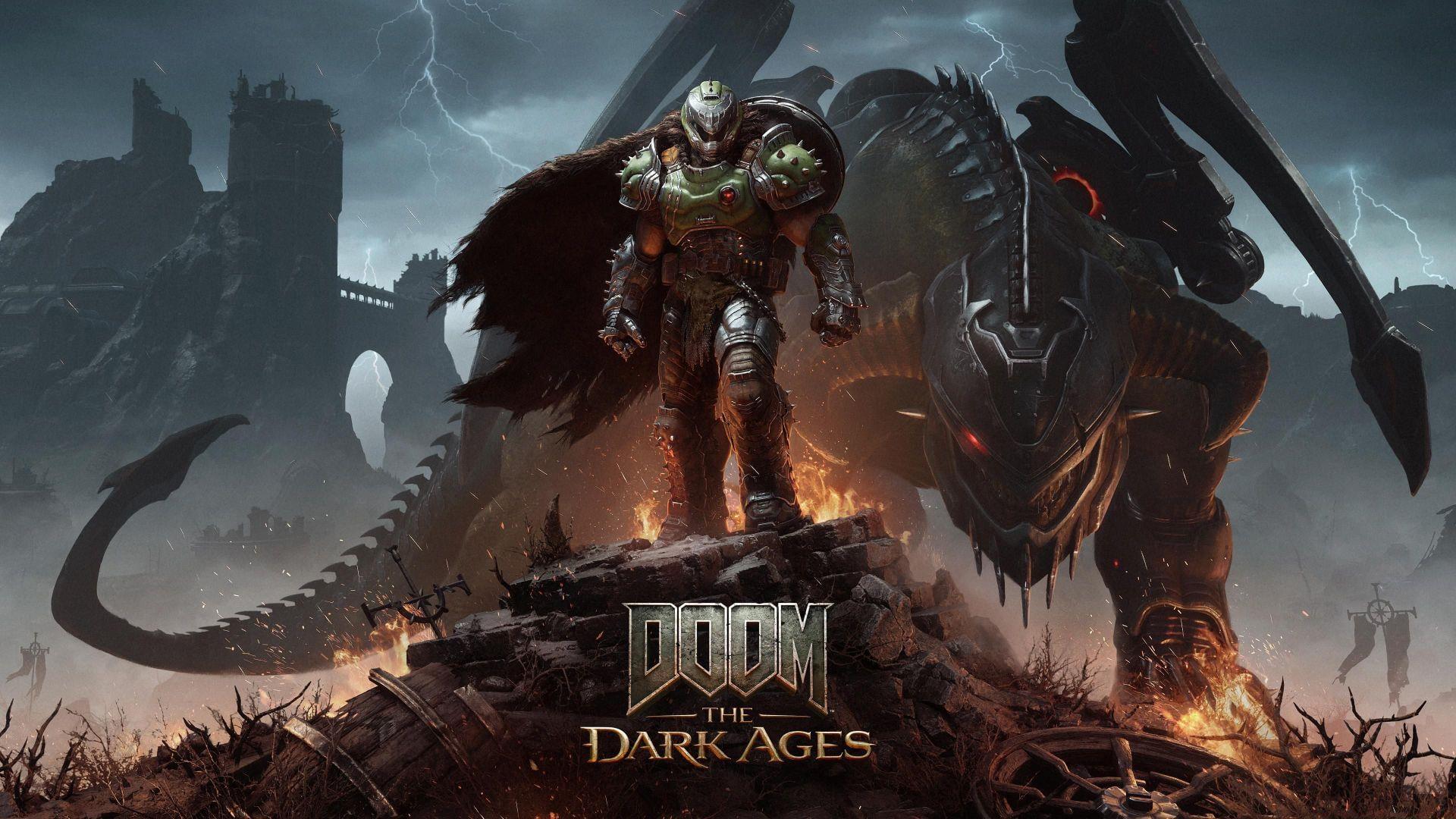
As Doom: The Dark Ages approaches release, both veteran fans and newcomers seek clarity on the franchise’s complex chronological sequence. id Software’s groundbreaking first-person shooter series, originating with Doom (1993), fundamentally shaped the FPS genre alongside pioneering titles like Wolfenstein 3D (1992) and the genre prototype Maze War (1974). The series’ enduring popularity stems from its iconic protagonist and relentless demon-slaying action that revolutionized gaming combat mechanics.
Understanding the Doom timeline enhances gameplay experience by revealing character evolution and narrative connections between titles. The franchise divides into two distinct eras: the classic arc (1993-1996) featuring the original Doomguy, and the modern reboot series (2016-present) starring the transformed Doom Slayer.
Classic Doom Timeline (1993-1996)
The foundational Doom chronology begins with these core titles in sequence:
This classic narrative follows the protagonist—affectionately dubbed Doomguy—stationed at the Union Aerospace Corporation’s Martian facility. When a deliberately sabotaged experiment tears open a dimensional gateway to Hell, he becomes trapped in escalating chaos. After battling through demonic hordes into Hell itself, he discovers the invasion has reached Earth, resulting in tragic personal losses including his family and pet rabbit.
Consumed by vengeance, Doomguy returns to the infernal dimension to seal the portal permanently. Doom 64 continues his saga as he’s recalled to combat the Mother Demon menace on Mars. Following her defeat, he makes the fateful decision to remain in Hell as its eternal guardian, becoming a mythological figure who safeguards humanity from further otherworldly invasions.
The original trilogy concludes with Doom 64 as the third installment. Subsequent spin-offs including the VR-exclusive Doom VFR and the parallel narrative of Doom 3 (featuring a different protagonist) occupy separate chronological positions. These derivative titles maintain lower priority in the primary timeline sequence.
The Doom Slayer Era (2016-Present)
While the rebooted series connects narratively to Doom 64’s conclusion, it introduces substantial temporal discontinuity between that ending and Doom (2016). The modern chronology unfolds as follows:
Throughout Doom (2016) and Doom Eternal, the protagonist evolves from Doomguy into the legendary Doom Slayer. His journey includes forming alliances with the Night Sentinels during their war against demonic forces, then confronting Khan Maykr and the treacherous Hell Priests after their betrayal. The Slayer solidifies his position as humanity’s ultimate protector—a nearly divine entity single-handedly capable of exterminating the entire demonic species.
Doom: The Dark Ages, featuring an extensive 22-mission campaign, aims to illuminate the previously unexplained timeframe separating Doom 64 and Doom (2016). Positioned as a prequel to the reboot series, The Dark Ages will reveal how the Slayer—who originally sacrificed himself by remaining in Hell—was discovered and transported to Argent D’nur by the Night Sentinels. This narrative will detail the transformation of the Outlander into the terrifying Slayer that demons fear across dimensions.
Playing Through the Timeline: Strategy Guide
Optimal Play Order Strategy: For narrative coherence, begin with the classic trilogy (Doom, Doom II, Doom 64), then proceed through the modern series. This approach allows you to experience the character’s transformation naturally. When Doom: The Dark Ages releases, play it after Doom 64 but before Doom (2016) to maintain chronological integrity.
Common Timeline Mistakes to Avoid: Don’t confuse Doom 3 with the main timeline—it features a separate protagonist and alternate universe. Avoid playing the reboot series first, as this spoils character development reveals. Skip the VR titles (Doom VFR) until completing the main storyline to prevent narrative discontinuity.
Advanced Playthrough Tips: Note gameplay evolution between eras—classic titles emphasize straightforward shooting while modern games incorporate platforming and resource management. Pay attention to lore collectibles in newer titles that reference classic events. Consider difficulty scaling—the reboot series introduces more complex mechanics that assume FPS experience.
Additional Doom: The Dark Ages Coverage:
No reproduction without permission:SeeYouSoon Game Club » All Doom games in chronological order Complete chronological guide to Doom games with story analysis, gameplay tips, and franchise evolution insights