
TL;DR
- Master environmental kills using trains, cliffs, and missile barrages for instant eliminations
- Develop proficiency across all three classes to ensure optimal team composition flexibility
- Learn every character’s abilities and cooldowns to effectively counter enemy strategies
- Utilize audio cues and ping systems for superior team coordination and awareness
- Control high ground positions and movement skills to dominate engagements
Before diving into Ninja Theory’s team-based combat arena, mastering these nine strategic insights will dramatically improve your performance and team contribution.
Bleeding Edge has launched across Xbox One and PC platforms, with Xbox Game Pass subscribers receiving immediate access on both systems. While initially appearing similar to popular hero shooters like Rainbow Six Siege and Apex Legends, the game incorporates deep MOBA mechanics that create a significant skill barrier for newcomers.
Once you conquer this initial challenge, however, Bleeding Edge transforms into an exceptional cooperative experience perfect for gaming sessions with friends during extended indoor periods. This comprehensive guide delivers actionable strategies to enhance your victory potential in every match.
The battlefield contains numerous environmental threats capable of inflicting substantial damage or securing immediate eliminations. Understanding these hazards enables you to weaponize the arena itself against opposing teams.
Critical dangers to monitor include bottomless pits, map boundaries, automated missile systems, and moving trains. While missiles merely reduce health, falling off the stage or encountering trains results in instant death. Every tank character and most damage specialists feature displacement attacks, allowing strategic positioning to eliminate opponents when direct combat proves unfavorable.
For players seeking maximum environmental exploitation, certain fighters possess abilities specifically designed for arena-based executions. Kulev’s Bamboozle enables direct enemy control for guided cliff descents, while combining Buttercup’s Yank with Miko’s Stasis creates devastating trap combinations for train track eliminations.
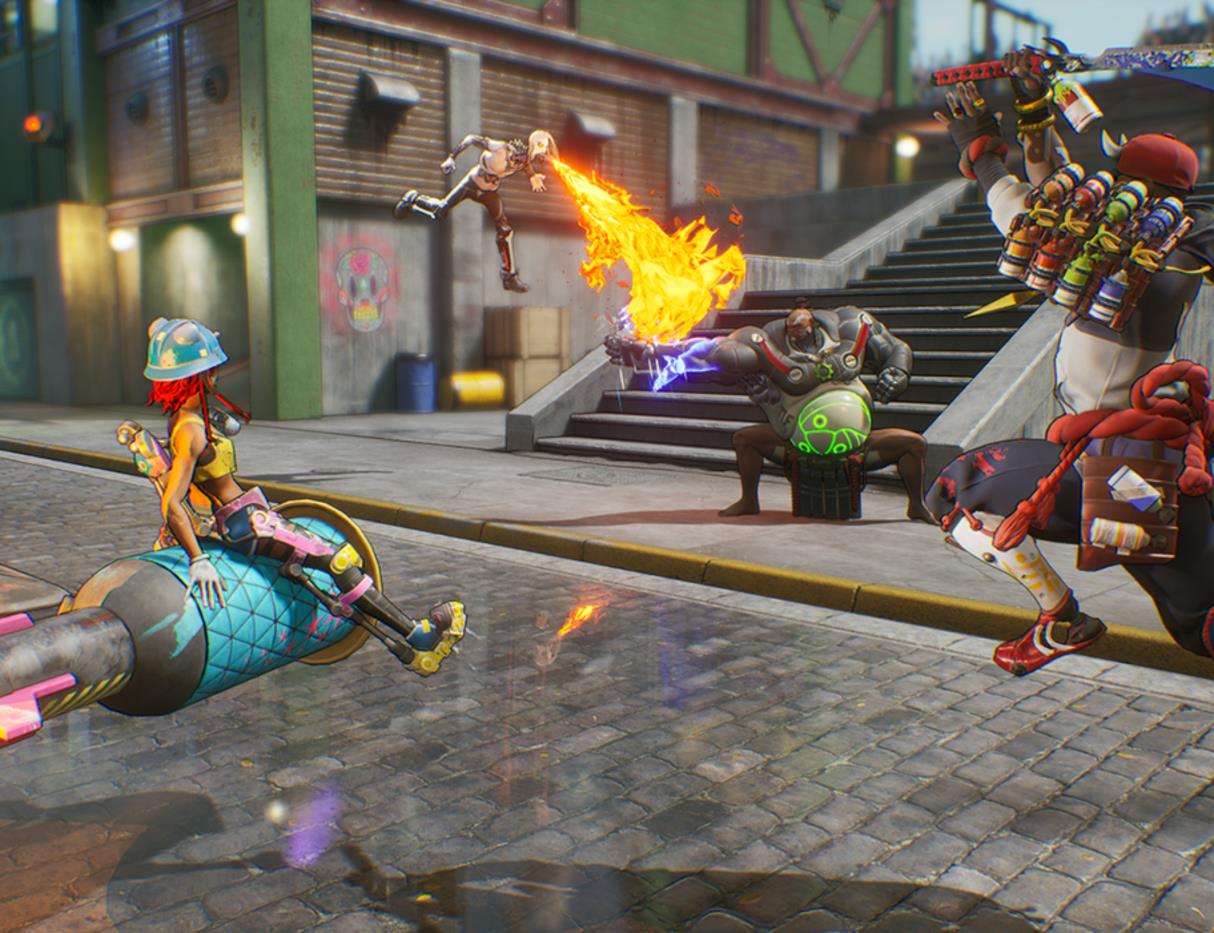
Understanding ability ranges creates tactical advantages, allowing you to minimize damage taken during team engagements.
The current roster features 11 distinct characters categorized into three primary roles: damage dealers, support specialists, and tank defenders. Damage fighters excel at single-target elimination with rapid ability cycles, support characters provide healing and buffs to allies, while tanks absorb punishment and control areas with AoE attacks. While mastering all characters isn’t necessary, developing competence with at least one representative from each class is essential for competitive play.
Standard team configuration consists of four players, with optimal composition requiring representation from all three roles. The most effective setups typically include one damage dealer, two support units, and one tank, though successful variations with two damage, one support, and one tank also exist. Since balanced team construction directly correlates with victory rates, flexibility across roles becomes crucial. For instance, if teammates select two supports and one tank, you must choose a damage specialist to ensure proper team synergy and combo potential.
Therefore, if your preferred selection is a tank character, ensure your secondary and tertiary choices include support and damage options. Unpredictable matchmaking requires readiness to fill compositional gaps at any moment.
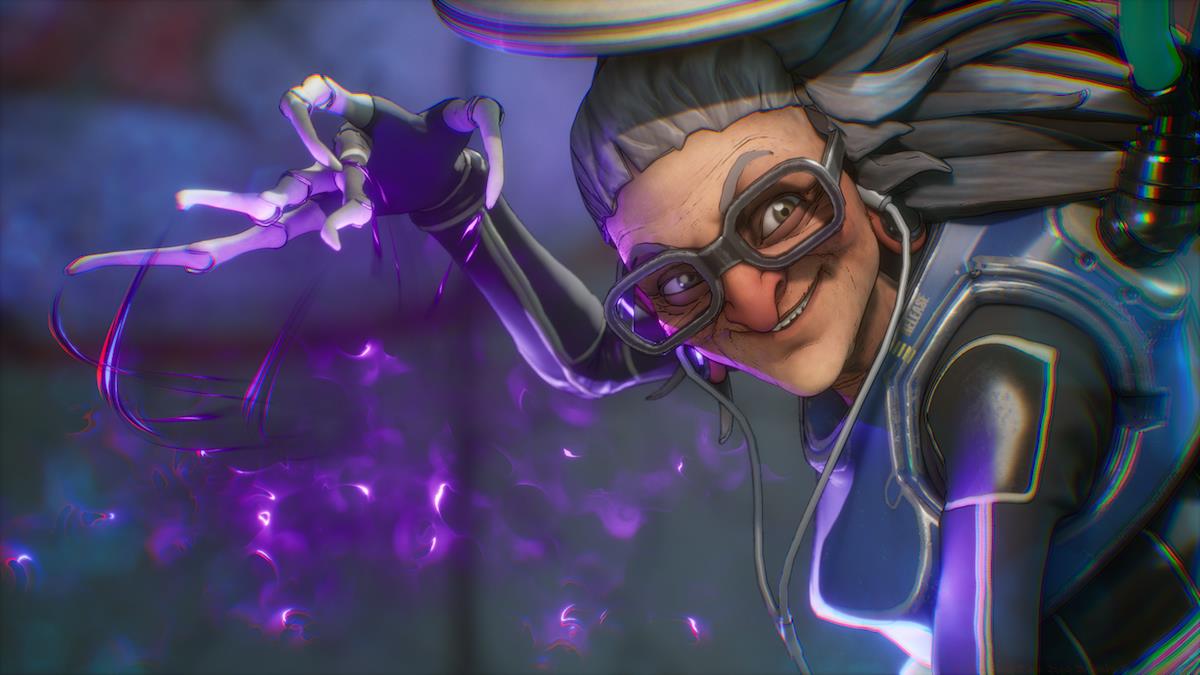
Maeve represents a top-tier damage dealer whose complex mechanics present significant challenges for inexperienced players.
Mirroring competitive titles like Siege and Apex Legends, accurate enemy identification forms the foundation of successful engagements. Recognizing opponent capabilities enables effective counter-strategies and ability anticipation. This tactical advantage, however, depends entirely on comprehensive character knowledge and cooldown tracking.
Beyond mere recognition, understanding ability interactions and animation tells separates average players from elite competitors. Each character features unique visual and audio cues preceding powerful abilities, allowing alert opponents to evade or interrupt crucial skills. For example, Cass’s ultimate ability generates distinct sound effects and particle effects that signal imminent area denial.
Common beginner mistakes include tunnel vision on personal cooldowns rather than monitoring enemy ability usage. Advanced players maintain mental timers for opponent skills, creating windows of opportunity when key abilities are unavailable.
Cass maintains the smallest health reservoir among all combatants, but compensates with superior innate mobility and vertical traversal capabilities.
New players should avoid complex fighters requiring extensive mechanical skill until mastering fundamental game systems. Characters like Maeve, while extremely powerful in experienced hands, demand precise timing and resource management that overwhelms newcomers. Instead, focus on straightforward characters with clear ability functions and forgiving execution requirements.
Ideal starting selections include Buttercup for tank role, Miko for support duties, and Gizmo for damage responsibilities. These fighters feature intuitive mechanics that reinforce core gameplay principles without overwhelming complexity.
Advanced fighters typically incorporate resource management systems, conditional ability effects, or complex combo requirements that distract from learning essential team coordination and objective play.
Utilizing quality headphones provides significant tactical benefits through enhanced audio spatial awareness. Many abilities generate distinctive sound cues that reveal enemy positions and impending attacks before visual confirmation becomes possible.
The ping system becomes crucial when facing unfavorable engagements or spotting vulnerable targets. Quickly marking dangerous opponents or strategic positions enables coordinated team responses without requiring voice communication.
Critical audio cues include ability charge sounds, ultimate activation warnings, and character-specific movement audio that can indicate positioning even through obstacles.
Elevated positions provide substantial advantages including improved visibility, attack angles, and escape routes. Controlling high ground positions forces enemies to engage from disadvantaged angles while providing superior objective oversight.
Movement-enhancing abilities often determine engagement outcomes more than raw damage output. Characters with superior mobility can initiate fights on favorable terms and disengage from losing battles.
Strategic positioning near escape routes and health pickups significantly increases survival rates during extended team fights.
Understanding objective spawn patterns and timing enables proactive positioning before point activation. Anticipating where capture zones will emerge allows teams to establish control before opponents can react.
Advanced players memorize objective rotation sequences and prepare ambushes at upcoming activation locations.
Map control begins with predicting objective flow rather than reacting to current points. This forward-thinking approach separates competitive teams from casual players.
Action Checklist
- Practice environmental kills with tank displacement abilities on cliff edges
- Master one character from each class to ensure team composition flexibility
- Study ability ranges and cooldowns for all characters in training mode
- Configure audio settings and practice ping communication in bot matches
- Memorize objective spawn patterns and prepare ambush positions
No reproduction without permission:SeeYouSoon Game Club » 9 Bleeding Edge Tips To Help You Land A Win Master essential strategies and advanced tactics to dominate in Bleeding Edge multiplayer combat