
TL;DR
- Mechanical parts enable creation of vehicles, firearms, and advanced tools essential for survival
- Early game focuses on looting cars and appliances while prioritizing wrench acquisition
- Shopping carts, vending machines, and AC units offer excellent part yields when salvaged
- Salvage Operations skill provides efficiency but requires careful timing for investment
- Strategic disassembly planning maximizes mechanical parts collection throughout gameplay
Mechanical parts represent fundamental crafting components within 7 Days to Die’s survival ecosystem. These specialized items serve as the building blocks for advanced equipment that significantly enhances your chances of enduring the zombie apocalypse.
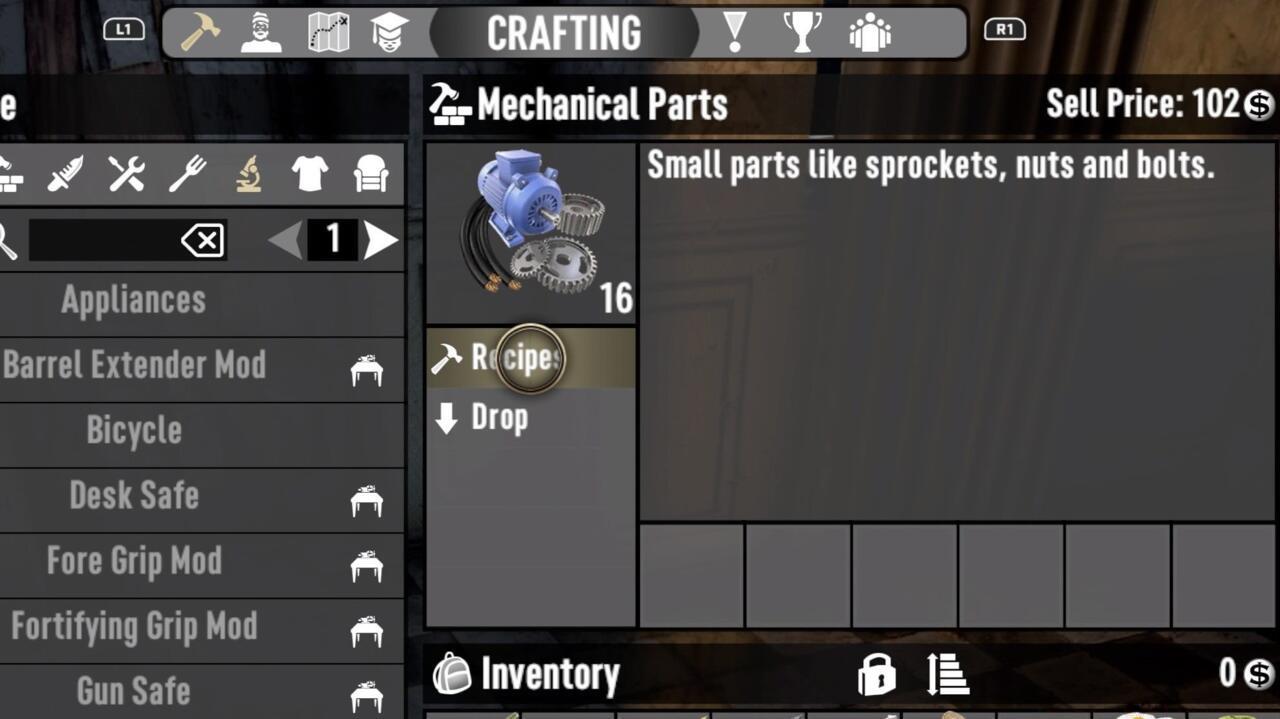
Mechanical parts
Within the harsh realities of 7 Days to Die’s post-apocalyptic landscape, establishing efficient resource acquisition systems becomes paramount for long-term survival. Mechanical parts occupy a particularly crucial position in your crafting hierarchy, enabling the creation of game-changing equipment that transforms your defensive and mobility capabilities.
These components facilitate the construction of high-tier survival implements including transportation vehicles, ranged weaponry, and specialized tools. Their versatile application across multiple crafting categories makes them a perpetually valuable commodity that experienced players stockpile aggressively from their initial gameplay hours.
During early gameplay phases, mechanical parts can be discovered through systematic looting of specific environmental elements. Automobiles, household appliances, and industrial containers frequently yield these components, with discovery rates influenced by your character’s loot abundance perks and game stage progression.
Random discovery provides initial access, but sustainable acquisition demands strategic tool utilization. The pivotal breakthrough occurs when you obtain a wrench – the specialized implement designed for efficient component extraction from complex mechanical systems.
Strategic tip: Prioritize searching parked vehicles and industrial areas during your initial days, as these locations typically offer the highest mechanical parts density for new survivors.
Wrenches manifest through multiple acquisition pathways, each with distinct advantages. Random appliance looting provides early opportunities, while air supply drops deliver guaranteed high-quality tools. Hardware store expeditions to Stiff Tools containers offer concentrated tool discovery chances for prepared survivors.
Fabrication becomes available after establishing a workbench and acquiring Scrapping 4 Fun magazine knowledge. The crafting formula requires forged iron, existing mechanical parts, and duct tape – creating an interesting progression dependency where initial parts enable tool creation for enhanced future acquisition.
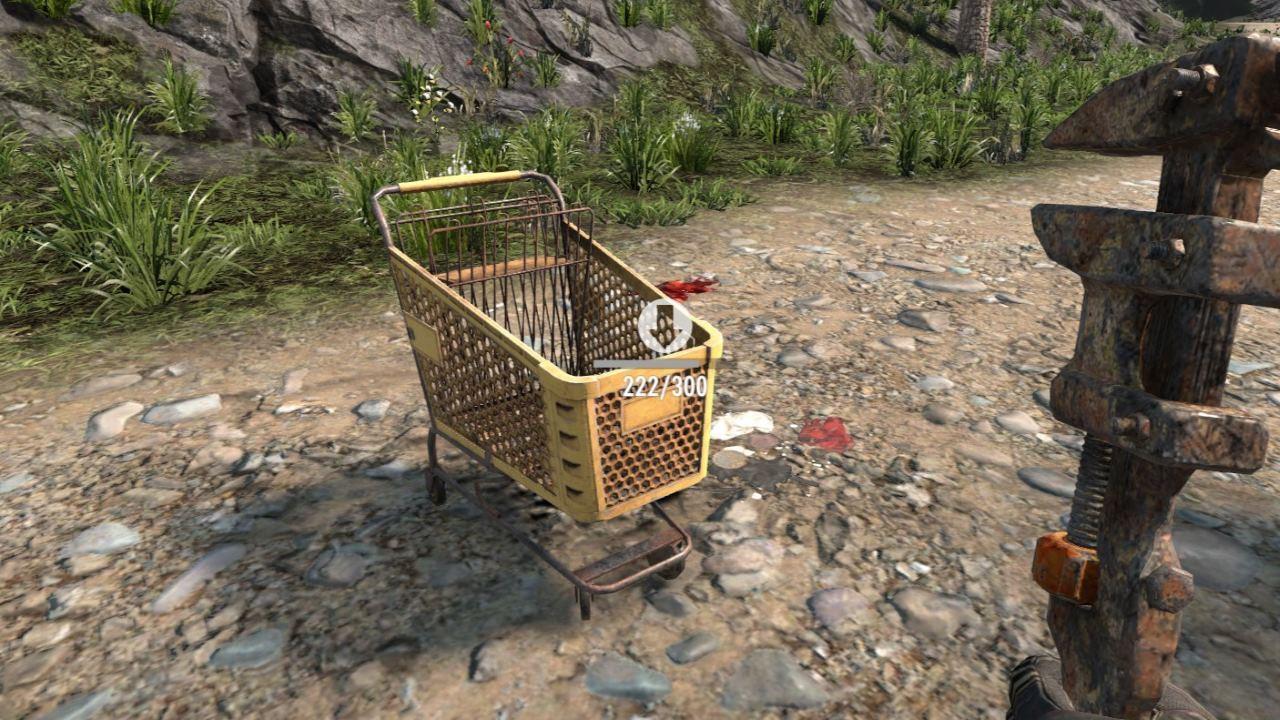
Scrap shopping carts for parts
Once equipped with a wrench, your mechanical parts harvesting capabilities expand dramatically. Automotive vehicles remain premium sources, but numerous additional targets become viable including refrigeration units, climate control systems, commercial vending equipment, municipal lighting infrastructure, and retail shopping carts.
Common mistake: Beginners often overlook shopping carts and office equipment, which actually provide excellent part yields relative to their accessibility and low risk profile.
The Salvage Operations perk significantly enhances your disassembly efficiency, accelerating extraction speed while boosting material yields. However, strategic perk allocation requires careful consideration of your current survival priorities and resource requirements.
I recommend deferring substantial investment in Salvage Operations until you’ve secured essential survival capabilities including reliable food sources, adequate shelter, and basic weaponry. Allocating one or two points provides noticeable benefits without compromising your core survival skill development.
Advanced optimization: For players focusing on engineering and vehicle specialization, earlier investment in Salvage Operations may be justified, particularly if you’ve already mastered fundamental combat and construction techniques outlined in our Class Guide for optimal character development.
This comprehensive methodology ensures consistent mechanical parts availability for your advanced crafting requirements. When pursuing vehicular transportation solutions, complement this knowledge with our specialized Complete Guide to transportation systems for complete mobility mastery.
Time estimate: Most players can establish reliable mechanical parts income within 3-5 in-game days using these strategies.
Action Checklist
- Loot vehicles and appliances during early game for initial parts
- Acquire wrench through looting or crafting with workbench
- Systematically disassemble cars, shopping carts, and vending machines
- Evaluate Salvage Operations perk investment based on current survival status
- Establish dedicated salvage routes for consistent parts income
No reproduction without permission:SeeYouSoon Game Club » 7 Days To Die – How To Get Mechanical Parts Essential guide to locating and harvesting mechanical parts for advanced crafting in 7 Days to Die