
Analyzing xQc’s GTA RP controversy: navigating roleplay boundaries and community standards in online gaming
The Incident: Roleplay Conflict Escalates
Popular streamer Felix ‘xQc’ Lengyel finds himself embroiled in yet another Grand Theft Auto roleplaying controversy, this time facing accusations of misogyny following heated in-game exchanges. The situation unfolded on the prestigious No Pixel server, where the boundary between character portrayal and personal conduct has become increasingly blurred.
During a jailhouse confrontation, xQc’s character Jean Paul directed multiple inflammatory remarks toward Wolfabelle, a fellow content creator portraying a police officer.The exchange occurred after xQc’s character struck Wolfabelle’s officer with a vehicle, triggering a detention scenario that quickly escalated beyond typical roleplay parameters.This incident represents just one chapter in xQc’s contentious history with the No Pixel community, where his unconventional approach to roleplay has frequently generated discussion about server conduct standards.Since the server’s February relaunch, drama has consistently surrounded the influential streamer, with multiple disciplinary actions, conflicts with established roleplayers, and even competitive server developments marking his participation.Many community members argue this particular exchange crossed established boundaries for acceptable roleplay conduct.
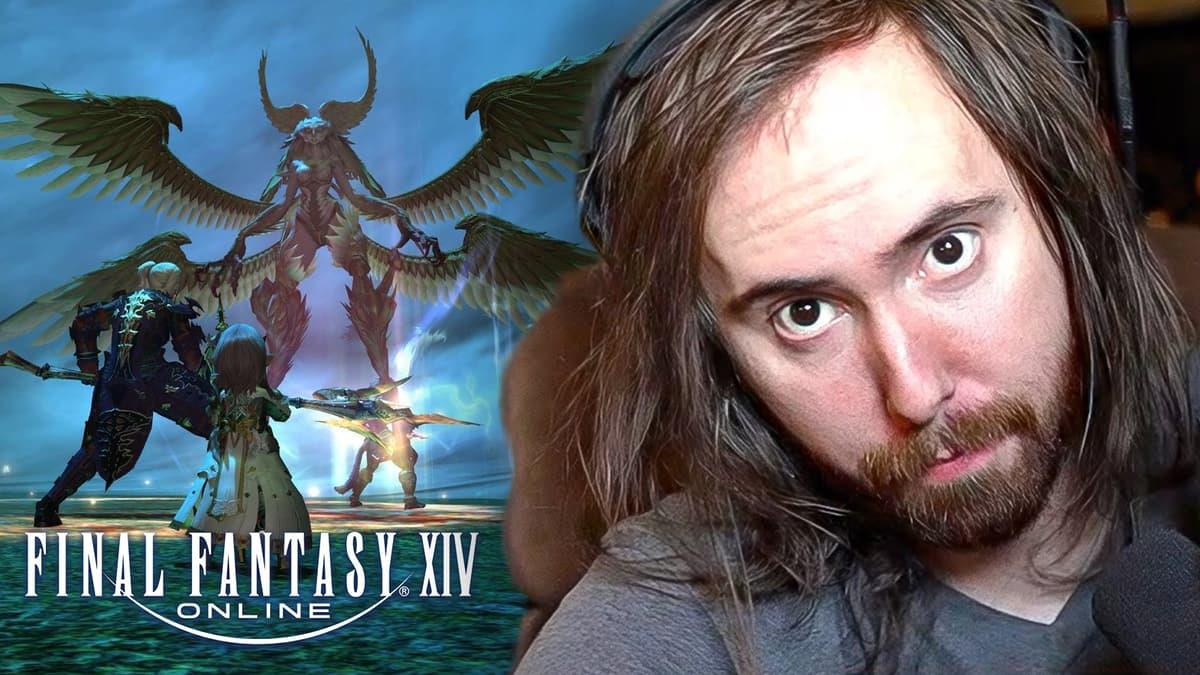 Twitch: xQc / Rockstar Games
The controversy highlights ongoing debates about appropriate boundaries within immersive gaming environments. The confrontation developed while Jean Paul served time for previous in-game violations, a familiar situation for the frequently incarcerated character. xQc’s approach to law enforcement interactions often involves creative resistance tactics, though this instance took a more personal direction. During the exchange, xQc employed derogatory terminology including “bimbo” and questioned Wolfabelle’s gaming competence. The situation intensified when he suggested she should work at Vanilla Unicorn, the server’s fictional strip club establishment, implying this represented her natural capabilities. “Your comprehension skills are seriously lacking,” he remarked during the exchange. “Honestly, your decision-making seems completely impaired. Maybe you’d find better success applying your talents at the Vanilla Unicorn instead of law enforcement?”
The dialogue progressed with increasingly crude suggestions and repeated dismissive remarks toward the female officer character.Community reaction emerged swiftly, with many participants and observers expressing concern that the exchange represented genuine misogyny disguised as character roleplay.
xQc’s Defense and Community Response
Community sentiment largely condemned the nature of xQc’s insults as exceeding acceptable roleplay parameters. “Directing gender-specific insults toward female participants undermines inclusive gaming environments,” commented one observer, while others advocated for moderator intervention to demonstrate that “gender-based harassment has no place in community roleplay spaces.”
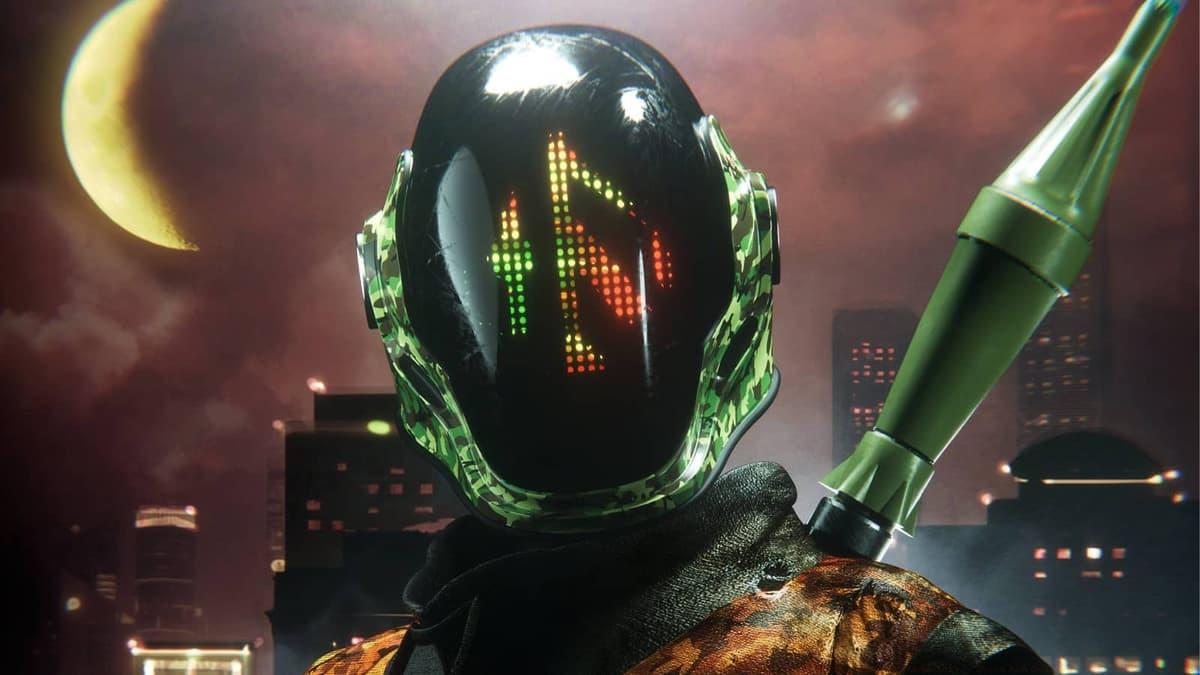 Twitch: xQc / Rockstar
This represents the seventh potential disciplinary action discussion surrounding xQc’s No Pixel participation. xQc addressed the mounting criticism during his broadcast, justifying his character’s dialogue choices and framing the community reaction as inconsistent application of standards. He maintained that insulting language should remain gender-neutral in its consequences within fictional scenarios. “Audience members are applying serious labels based on fictional exchanges where my character suggested employment at a game location,” he explained. “The immediate categorization of certain comments as inherently prejudiced seems disproportionate when examining the context of improvisational roleplay.” “The fundamental principle seems misunderstood. Criticism and insults within character interactions should maintain consistent evaluation regardless of participant gender. The immediate reclassification of certain remarks based solely on gender demographics creates inconsistent standards for creative expression.”
He expanded his perspective: “I firmly believe that extreme reactions to fictional exchanges ultimately damage constructive discussions about equality more than the original comments themselves. The amplification often creates more division than resolution.”xQc’s explanation failed to satisfy many community members. Through extensive social media discussions, participants noted the streamer exclusively targeted the female officer with his most offensive remarks, while interacting differently with her male counterpart. Additional critics characterized his defense as “logically flawed” and confirmed their assessment of the comments as “clearly gender-biased.”At the time of reporting, server administrators had not implemented disciplinary measures regarding this specific incident.
Understanding the dynamics of this controversy requires examining the delicate balance streamers maintain between authentic character portrayal and community sensitivity. Successful roleplayers often develop distinct personas with flaws and edges, but must navigate the increasingly complex landscape of online conduct expectations. The No Pixel server specifically emphasizes immersive storytelling while maintaining standards that ensure participant comfort and safety.
For content creators operating in these spaces, several considerations emerge: establishing clear character boundaries that separate persona from player, understanding community-specific conduct guidelines, and recognizing how certain tropes or insults may carry different weight based on historical context and societal dynamics outside the game world.
Understanding Roleplay Ethics and Boundaries
The xQc-Wolfabelle incident highlights critical questions about roleplay ethics in multiplayer gaming environments. As streaming platforms bring larger audiences to niche gaming communities, the line between character behavior and streamer responsibility becomes increasingly significant.
Character Consistency vs. Community Standards
Roleplayers often defend controversial character actions as “staying in character,” but this defense encounters limitations when those actions negatively impact other participants’ experiences. The No Pixel server operates with specific community guidelines that prohibit harassment and hate speech, creating a framework that sometimes conflicts with edgy character development.
Historical Context of No Pixel Discipline
xQc’s previous six bans from the server establish a pattern of boundary-testing behavior. Previous infractions include:
– Power gaming violations (manipulating game mechanics unfairly)
– Fail RP (breaking character or scenario immersion)
– Metagaming (using out-of-character knowledge in character)
– Previous harassment complaints from other players
This history informs current community reactions, as participants weigh whether this incident represents a pattern rather than an isolated character choice.
The Gender Dynamics Question
Central to this controversy is whether gender-specific insults in roleplay carry different weight than other offensive content. Community members arguing for stricter moderation note that suggesting a female character belongs in sexualized employment (like the Vanilla Unicorn strip club) reinforces real-world sexist stereotypes in ways that generic insults do not.
Experienced roleplayers suggest establishing clear boundaries during character creation and maintaining consistency in how characters interact across gender lines. Many successful streamers develop detailed character backgrounds that explain behavioral patterns without relying on problematic tropes.
Navigating Online Gaming Controversies
For streamers and community members navigating similar situations, several practical approaches can help maintain both creative freedom and respectful environments.
Preventive Strategies for Streamers
– Establish clear character motivations that don’t rely on problematic stereotypes
– Discuss potential controversial character traits with server moderators beforehand
– Develop “off-ramps” for escalating roleplay scenarios to de-escalate naturally
– Regularly review community guidelines and conduct standards
Community Management Considerations
Server administrators face the challenge of balancing creative freedom against participant protection. Effective moderation often involves:
– Clear, consistently enforced conduct policies
– Transparent decision-making processes for disciplinary actions
– Mechanisms for community feedback and concern reporting
– Education about the difference between character behavior and player responsibility
Audience Education
Viewers play a crucial role in these ecosystems. Understanding the distinction between character actions and streamer beliefs helps reduce misinterpretation. Additionally, audiences can support healthy gaming environments by:
– Respecting other participants and their character choices
– Reporting genuine harassment through proper channels
– Engaging in constructive discussion rather than inflammatory reactions
– Supporting streamers who maintain positive community standards
The ongoing evolution of roleplay communities will continue to generate complex discussions about boundaries, creativity, and responsibility. As these spaces grow, establishing clear frameworks that protect participants while allowing creative expression remains an ongoing challenge for developers, streamers, and community members alike.
No reproduction without permission:SeeYouSoon Game Club » xQc responds to GTA RP backlash over “stripper” joke aimed at female streamer Analyzing xQc's GTA RP controversy: navigating roleplay boundaries and community standards in online gaming