
How World of Warcraft’s name changes work, why they matter, and what players should expect next
The Overwatch Precedent and WoW’s Parallel Response
Following Overwatch’s decisive move to rename the cowboy hero McCree, World of Warcraft has initiated a parallel effort to revise developer-referencing content throughout its expansive universe. This coordinated approach reflects Blizzard’s comprehensive strategy to address legacy naming conventions amid ongoing workplace culture reforms.
World of Warcraft’s renaming initiative extends beyond cosmetic changes, representing a fundamental reconsideration of how developer tributes are integrated into game worlds.
Washington Post reporting confirms that Blizzard employees across multiple franchises are implementing similar naming revisions. The MMO contains hundreds of subtle developer references—from NPCs and zones to item names and achievement titles. Unlike Overwatch’s more contained character roster, WoW’s sixteen-year development history presents unique scaling challenges for systematic renaming.
 Blizzard Entertainment
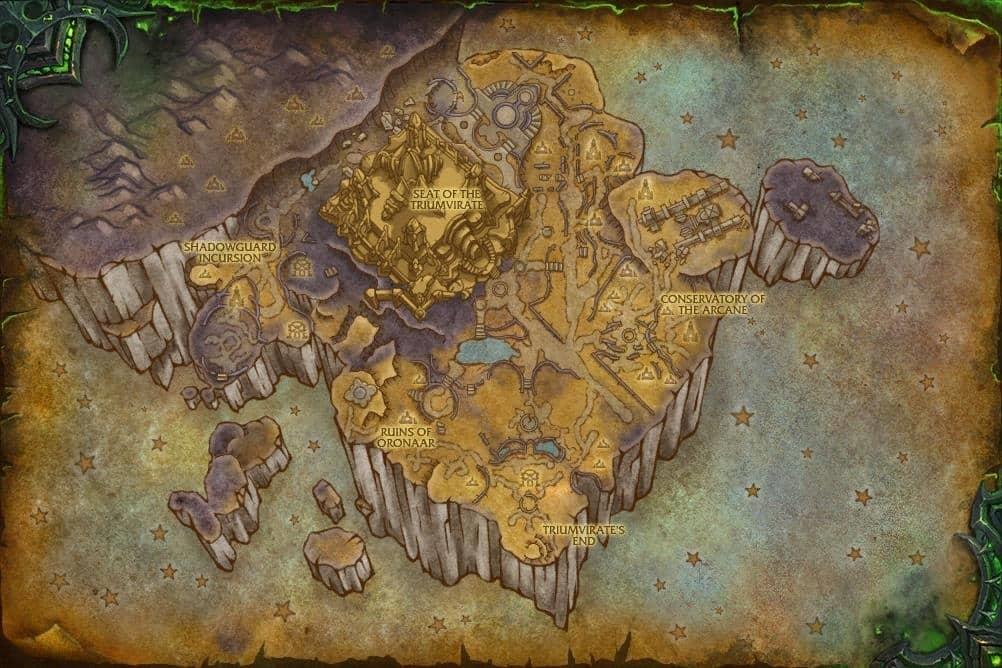
Mac’Aree, Argus’s capital city in Legion, exemplifies the complex renaming scenarios developers must navigate. The McCree connection makes Mac’Aree’s renaming practically inevitable, but voiced dialogue presents technical hurdles absent from text-only references. Blizzard’s development teams are reportedly prioritizing changes based on both community impact and implementation complexity, with voiced content requiring significantly more production resources.
Mac’Aree: A Case Study in Proactive Voice Acting
Former World of Warcraft developer Jennifer Klasing demonstrated remarkable foresight regarding Mac’Aree’s naming situation. Now working at Amazon Games on New World, Klasing revealed she deliberately instructed voice actors to pronounce the zone’s name phonetically as “Muh-KAH-Ree” rather than its spelled form.
Klasing’s prescient decision creates a valuable buffer for renaming implementation. By decoupling pronunciation from spelling during original recording sessions, Blizzard can replace text references without requiring complete voice acting re-records—a process that could otherwise cost thousands of production hours and delay content updates. https://twitter.com/CallMeQuestifer/status/1430982519348891650?s=20 This strategic approach highlights how experienced developers anticipate future content management challenges, even when immediate concerns don’t demand such precautions.
Practical implementation tip for players: When encountering renamed content, check your favorite addons and guides for updates. Many database-driven modifications like Deadly Boss Mods or Questie require manual updates when Blizzard changes underlying game references. Proactive players should bookmark the official WoW patch notes page and follow reliable content creators who specialize in tracking these systematic changes.
Beyond Mac’Aree: Other Potential Renaming Targets
Jonathan LeCraft’s extensive in-game legacy presents the next substantial renaming challenge. Over a dozen NPCs bear variations of his name across multiple expansions, creating implementation complexity similar to Mac’Aree but without the voice acting complications.
Common mistake to avoid: Assuming all renaming will occur simultaneously. Blizzard typically implements these changes across multiple patches to manage workload and minimize disruption. Players tracking these modifications should monitor incremental updates rather than expecting comprehensive overnight revisions.
The Alex Afrasiabi precedent established important implementation patterns. Shortly after California’s lawsuit announcement, Blizzard systematically removed references to the former creative director—a process that provides valuable insights into current renaming methodologies. These changes weren’t merely cosmetic; they required coordinated updates across quest databases, achievement criteria, and even dungeon journal entries.
Optimization tip for advanced players: Use the in-game macro system to create dynamic name references for frequently-used NPCs or locations undergoing potential renaming. For example: /target Jonathan can be modified to /target [NPC New Name] once changes are confirmed, maintaining functionality despite naming revisions.
Practical Implications for Players and Communities
World of Warcraft’s renaming initiative extends beyond developer references to impact player experiences in measurable ways. Guide creators, lore enthusiasts, and achievement hunters must all adapt to these systematic changes.
Strategy adjustment recommendation: When named content appears in achievement criteria or quest chains, document the specific requirements before changes occur. Screenshotting achievement progress or quest text provides valuable reference points if confusion arises post-renaming. Community resources like Wowhead typically update quickly, but having personal documentation prevents temporary information gaps.
Lore consistency represents another consideration. While most renaming won’t affect major narrative arcs, dedicated roleplayers and historians should note that future expansions might retroactively adjust older content’s naming conventions. This creates minor chronological inconsistencies but maintains alignment with Blizzard’s evolving standards.
Looking forward, additional renaming waves seem inevitable as Blizzard continues reassessing its historical developer tributes. Players embracing these changes as ongoing game evolution rather than disruptive revisions will navigate the transition most smoothly. The ultimate goal remains preserving WoW’s immersive world while ensuring its content reflects contemporary values and standards.
No reproduction without permission:SeeYouSoon Game Club » WoW renaming NPCs & cities to remove controversial developer references How World of Warcraft's name changes work, why they matter, and what players should expect next