
A deep dive into Blizzard’s controversial voice line removals, player reactions, and what this means for World of Warcraft’s future content updates.
The Discovery and Immediate Backlash
The World of Warcraft community erupted in controversy following revelations that Blizzard Entertainment had systematically removed legacy voice lines from the massively multiplayer online game. This discovery, made on the Public Test Realm (PTR), triggered immediate and passionate debate across player forums and social media platforms.
World of Warcraft enthusiasts expressed profound disappointment upon uncovering Blizzard’s stealth removal of classic vocal interactions—a contentious development arriving amidst ongoing legal and cultural challenges for Activision Blizzard.
The initial discovery emerged from meticulous PTR examination by dedicated players. One investigator documented their findings: “While testing upcoming content, I systematically verified the presence of ‘Flirt’ and ‘Joke’ voice interactions across multiple character races. The results confirmed widespread deletions.” This player emphasized the loss of character-defining content, noting that these removed lines often provided racial identity and personality depth rather than offensive material.
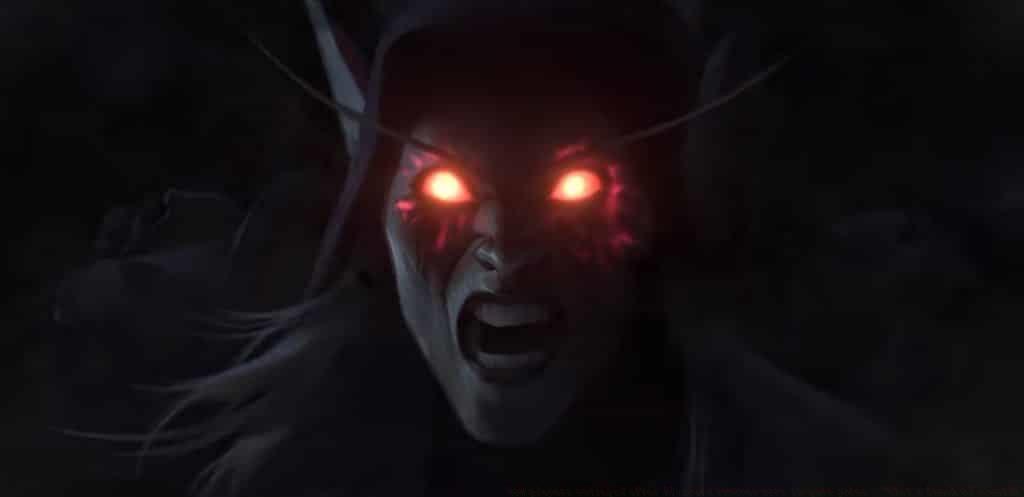 Blizzard Entertainment
World of Warcraft supporters expressed frustration with what they perceived as unnecessary content censorship. Practical tip for concerned players: Regularly check the PTR for unannounced changes, as Blizzard often tests revisions there before implementing them live. Document any alterations systematically by recording before-and-after comparisons of specific voice lines, which creates tangible evidence for community discussion.
Context: Lawsuit Fallout and Previous Content Changes
This voice line controversy cannot be understood without examining the broader legal context surrounding Activision Blizzard. In July 2021, California’s Department of Fair Employment and Housing filed a comprehensive lawsuit alleging systemic gender discrimination and a toxic “frat boy” culture within the company. This legal action triggered multiple waves of internal restructuring and content revision.
Following the lawsuit’s filing, Blizzard implemented numerous in-game modifications that preceded the current voice line removals. These included altering non-player character names, revising achievement titles, and removing references deemed problematic. Many players criticized these changes as superficial responses that failed to address underlying workplace issues while diminishing game world authenticity. Common mistake: Assuming all content changes directly correlate with lawsuit remediation—some revisions may reflect broader corporate policy shifts unrelated to specific allegations. Optimization tip: Track Blizzard’s update patterns across multiple content types (names, quests, voice lines) to predict future modification targets and prepare constructive feedback.
The community’s central criticism focuses on perceived misprioritization. Players argue that removing harmless flirtatious dialogue—like a Mecha Gnome’s wholesome voice line—diverts resources from combating actual toxicity in player interactions and community spaces. This sentiment was captured in one player’s response: “They’re sanitizing character personality while ignoring the real harassment problems in trade chat and dungeons.”
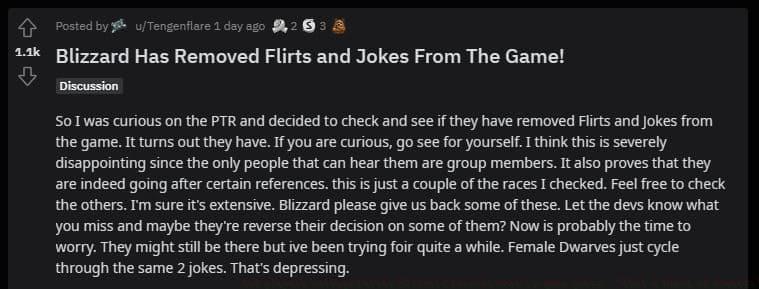 Reddit / ‘u/Tengenflare’
The original discoverer described the extensive voice line removals as demoralizing for longtime players. Strategic recommendation: When providing feedback, specifically compare removed content against actual problematic elements Blizzard hasn’t addressed, creating a more persuasive argument about resource allocation.
Community Analysis and Strategic Player Responses
The player base’s reaction to these removals reveals sophisticated community mobilization strategies. Reddit served as the primary coordination hub, with the initial post garnering thousands of upvotes and hundreds of analytical comments within hours. This rapid response demonstrates the WoW community’s capacity for organized feedback when perceiving detrimental changes.
Commentary from influential community figures amplified the dissent. Twitch streamer Asmongold, renowned for his WoW content and large following, delivered pointed criticism: “This represents a fundamental misunderstanding of what actually matters to players. We want engaging content preserved, not sanitized beyond recognition.” His analysis highlighted the perceived disconnect between development decisions and community expectations. Advanced player strategy: Monitor influential streamers’ and content creators’ responses to gauge which issues might gain traction and potentially influence developer reconsideration.
The community developed several tactical responses beyond mere complaint. Players began systematically cataloging removed voice lines by race and gender, creating comprehensive documentation to demonstrate the changes’ scope. Others compiled examples of genuinely problematic content that remained untouched, constructing comparative arguments about Blizzard’s priorities. Common pitfall: Focusing exclusively on emotional outrage rather than building evidence-based cases that developers can practically address. Optimization approach: Use in-game recording tools or third-party software to create archival footage of content before removal, preserving it for comparative analysis and historical reference.
Broader Implications for WoW’s Development Future
This controversy extends beyond specific voice lines to fundamental questions about World of Warcraft’s creative direction. The removals establish a concerning precedent where character-enhancing content becomes vulnerable to deletion based on external pressures rather than gameplay considerations.
Twitch streamer Asmongold, whom many would consider to be the top World of Warcraft streamer on the platform, also criticized Blizzard for their handling of the situation, referring to the devs as “mentally ill or socially maladjusted.” While it seems more changes are in store for the MMO based on the aftermath of Activision Blizzard’s on-going litigation, it also appears that fans have no intentions of changing their stance on the updates any time soon.
Looking forward, players face strategic decisions regarding engagement. Some advocate for targeted feedback through official channels, emphasizing specific examples of removed content that enhanced gameplay experience. Others suggest broader content preservation initiatives, similar to gaming historical archives, to protect WoW’s cultural legacy. The most significant implication may be trust erosion—when players anticipate arbitrary content removal, their investment in game world immersion diminishes. Practical guidance: Diversify your gaming engagement across multiple titles rather than over-investing emotionally in any single game’s permanence, reducing disappointment from unexpected changes.
No reproduction without permission:SeeYouSoon Game Club » WoW players outraged after Blizzard removes more in-game jokes: “What a bunch of cowards” A deep dive into Blizzard's controversial voice line removals, player reactions, and what this means for World of Warcraft's future content updates.