
WoW Director addresses community backlash over content removals and explains Blizzard’s cultural transformation approach
The Backlash Context: Lawsuit Fallout and Community Division
World of Warcraft’s game director has confronted mounting player scrutiny regarding Blizzard Entertainment’s decisions to eliminate certain in-game elements deemed potentially problematic or insensitive.
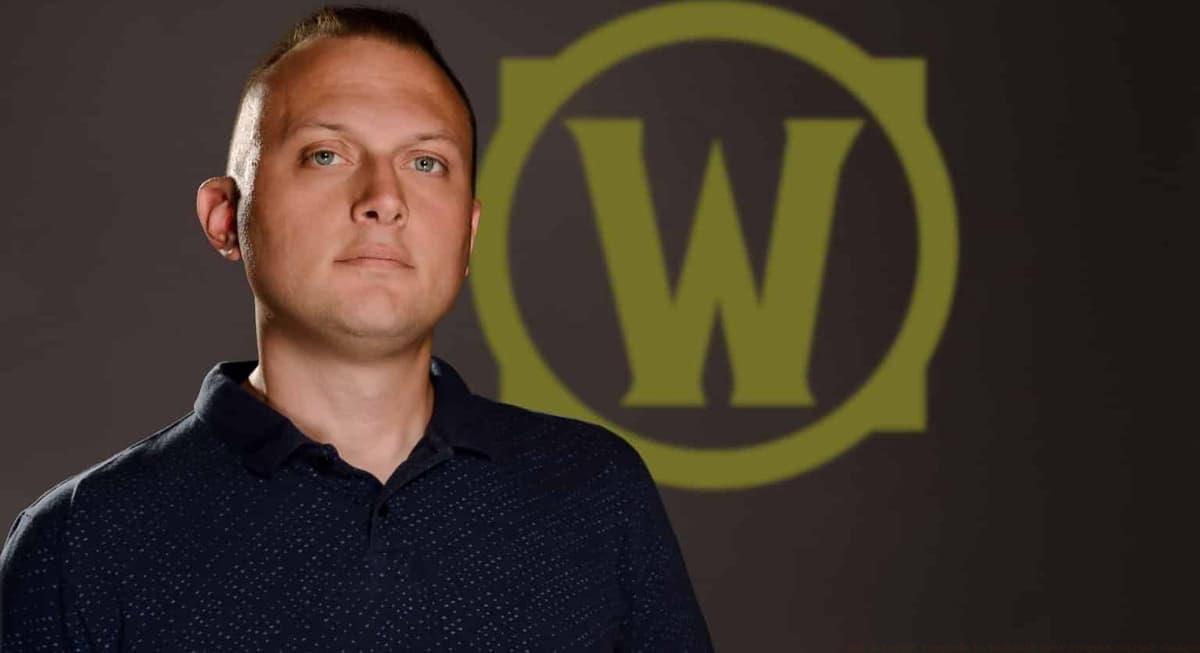
Following the discrimination lawsuit against Activision Blizzard, World of Warcraft implemented numerous controversial modifications to game content that sparked significant player debate. Director Ion Hazzikostas has now formally responded to the widespread criticism.
In the aftermath of legal actions alleging Activision Blizzard cultivated a toxic “frat boy culture” workplace environment, World of Warcraft developers initiated substantial revisions to game content considered inappropriate by studio standards. These alterations ranged from eliminating the term ‘greenskin’ when describing Orc characters to completely overhauling numerous questionable voice lines, creating deep divisions within the player community. Prominent WoW streamer Asmongold demanded “substantive corporate action” rather than what he perceived as superficial “performative gestures.” During a comprehensive discussion with VentureBeat, WoW Director Ion Hazzikostas directly engaged with community concerns and reactions.
 Blizzard Entertainment
WoW’s leadership has publicly acknowledged the ongoing player resistance to corporate policy changes.
As community tensions escalate, Hazzikostas has specifically countered suggestions that these content modifications serve as mere “distraction tactics” or reflect overt “political positioning.”
Director’s Response: Addressing ‘Smokescreen’ Accusations
“Our player base represents a spectrum of perspectives,” Hazzikostas explained. “Some community members view these changes as politically motivated or unnecessary intrusions. Their position essentially states, ‘Concentrate on developing entertaining gameplay. These issues don’t concern me.’ Conversely, other players have voiced suspicions that we’re employing these modifications as diversionary tactics. Instead of confronting substantive organizational challenges, we’re merely altering vocabulary within the game environment.”
“This situation doesn’t represent an ‘either/or’ scenario. It’s fundamentally an ‘and’ proposition. We recognize that modifying an emote in World of Warcraft won’t resolve systemic societal inequities. However, why shouldn’t we implement these adjustments while simultaneously addressing larger cultural cohesion, diversity initiatives, workplace safety improvements, and additional corporate reforms?” Concluding that “we aspire for WoW and the world of Azeroth to represent a constructive environment,” he acknowledges that “these organizational transformations remain actively in progress.”
 Blizzard Entertainment
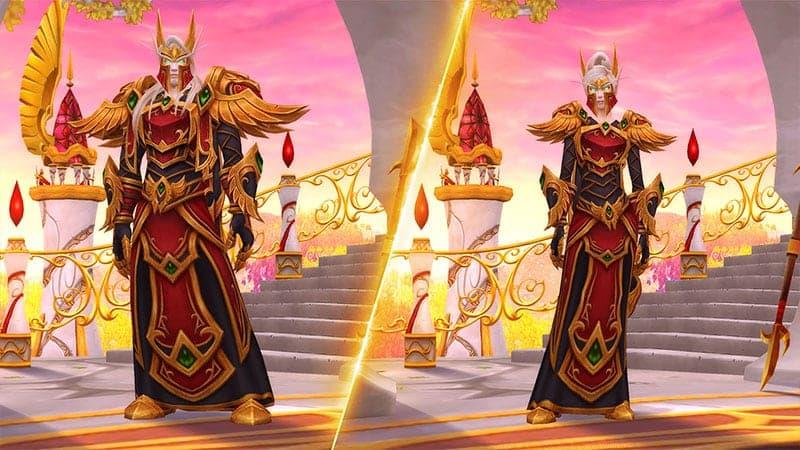
Blood Elf male characters originally contained vocal references to their androgynous characteristics, which have since been excised from the game. As Hazzikostas and the World of Warcraft development team persist in eliminating “game elements that, throughout our 17-year development history, may not have originated from sufficiently diverse or inclusive creative perspectives,” additional modifications appear inevitable moving forward.
Future Content Strategy and Player Impact
Several anticipated adjustments may debut with the forthcoming Patch 9.1.5, which has already witnessed the renaming of a non-player character inspired by controversial Cannibal Corpse vocalist George ‘Corpsegrinder’ Fisher after community objections surfaced. These systematic revisions specifically target reducing toxic elements within game ecosystems, making the evolution of Azeroth’s social dynamics particularly noteworthy for observation.
From a practical gameplay perspective, these content modifications represent Blizzard’s commitment to creating more inclusive gaming spaces while maintaining the core entertainment value that has sustained World of Warcraft for nearly two decades. The development team emphasizes that content evaluation occurs through multiple lenses: historical context, contemporary social standards, and diverse player perspectives.
Community managers have established new feedback channels specifically for content sensitivity concerns, allowing players to report potentially problematic elements directly to the development team. This proactive approach demonstrates Blizzard’s commitment to ongoing dialogue rather than unilateral decision-making regarding game content.
Looking forward, players can expect more transparent communication about content changes before implementation, with developers providing context for why specific modifications occur. This represents a significant shift from previous practices where changes often appeared without explanation, fueling community speculation and frustration.
No reproduction without permission:SeeYouSoon Game Club » WoW director responds to backlash over in-game content changes WoW Director addresses community backlash over content removals and explains Blizzard's cultural transformation approach