
How FIFA’s shift to free-to-play could revolutionize football gaming and counter rising competition
The Changing Gaming Landscape
For decades, EA Sports has dominated football gaming, but the industry’s fundamental business models are undergoing a seismic transformation. The traditional approach of annual full-priced releases faces extinction as player preferences evolve toward continuously updated experiences.
The gaming industry’s migration away from yearly releases represents more than a trend—it’s a fundamental restructuring of how players engage with and pay for their entertainment. Sports titles remain the last bastion of the old system, creating both vulnerability and opportunity for established franchises.
Major publishers have systematically abandoned the annual release calendar that once defined franchises like Assassin’s Creed. Instead, they’re embracing games-as-service models where content evolves through seasonal updates rather than complete replacements. Sports gaming represents the final frontier in this transition, with NBA, Madden, and FIFA continuing to demand $60 annually despite delivering what many perceive as incremental upgrades. EA Sports’ football franchise generates staggering revenue through this model, but consumer patience wears thin as alternatives emerge. The arrival of UFL, GOALS, and the rebranded eFootball (formerly PES) offering premium football simulations without upfront costs signals that FIFA 22 might represent the final chapter where players accept paying full price.
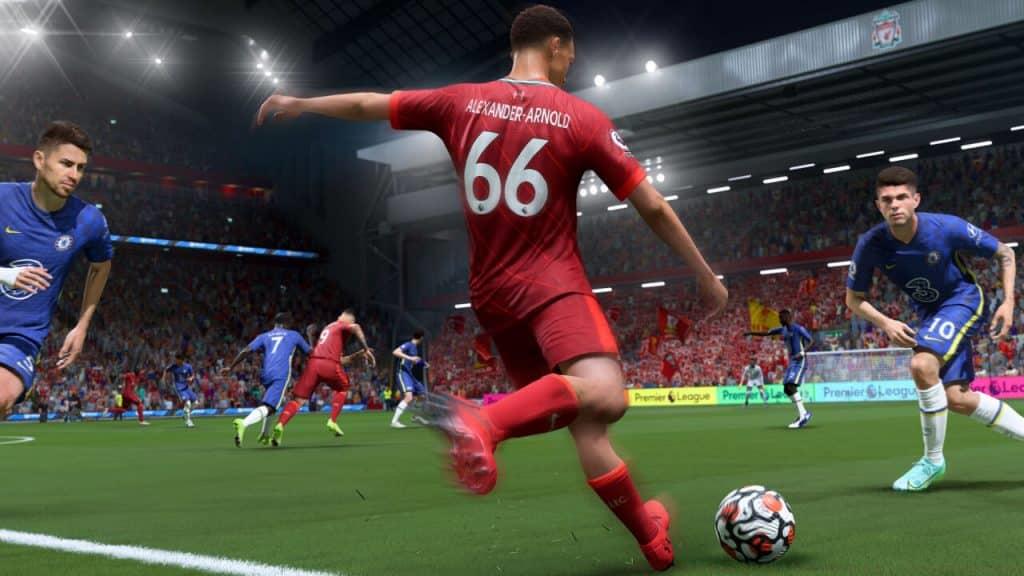 EA Sports
Growing player sentiment questions whether annual roster updates justify premium pricing.
Discussions about FIFA transitioning to free-to-play have circulated for years, gaining momentum with each release cycle. Social media platforms overflow with memes mocking the ritual of purchasing what essentially amounts to a glorified patch. EA historically maintained this profitable status quo because no credible competitor threatened their football gaming monopoly.
New Challengers Entering the Arena
The competitive landscape has fundamentally shifted with UFL and GOALS preparing to launch without entry barriers. These newcomers aren’t merely offering free alternatives—they’re strategically targeting EA’s perceived weaknesses through aggressive marketing campaigns. UFL’s reveal trailer explicitly stated “we compete in matches where skill is always the deciding factor,” directly challenging FIFA Ultimate Team’s reputation for pay-to-win mechanics. Developers are capitalizing on mounting player frustration with aggressive monetization by positioning their products as consumer-friendly alternatives.
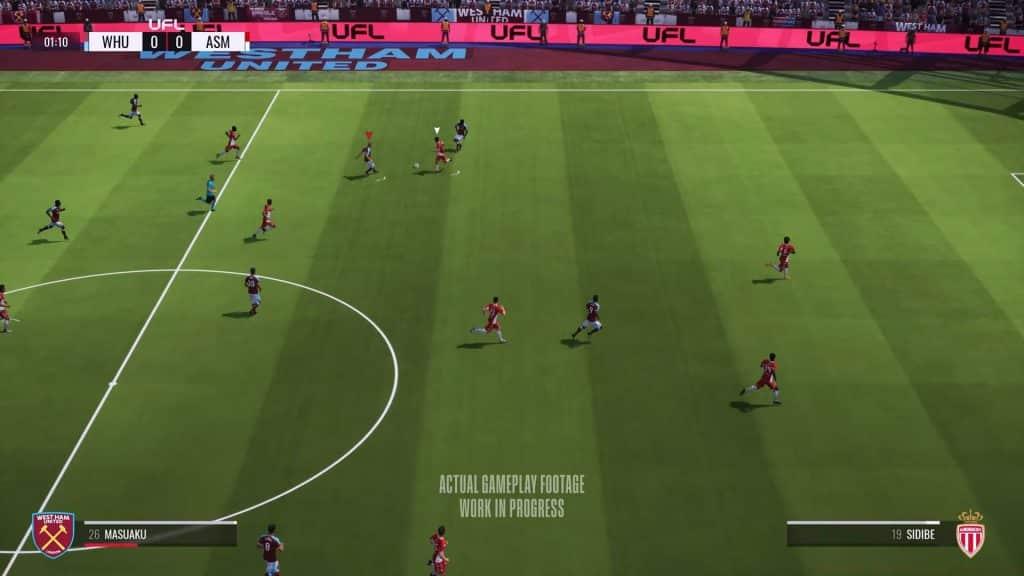 UFL
UFLUFL’s marketing emphasizes competitive integrity over monetization. Football enthusiasts have compelling reasons to explore these alternatives. After years of Ultimate Team’s loot box economy, a free title delivering similar satisfaction presents an attractive proposition. This competitive pressure creates urgency for EA to make FIFA—or at minimum FIFA Ultimate Team—accessible without purchase requirements. As these challengers establish themselves, the financial barrier for FIFA becomes increasingly difficult to justify for cost-conscious players.
EA’s primary concern mirrors PUBG’s experience in the battle royale genre. The original created a beloved formula but failed to adapt as Fortnite and Apex Legends made the category accessible to masses. The timing for transition is critical—not merely to regain player goodwill but to disrupt competitors before they gain unstoppable momentum.
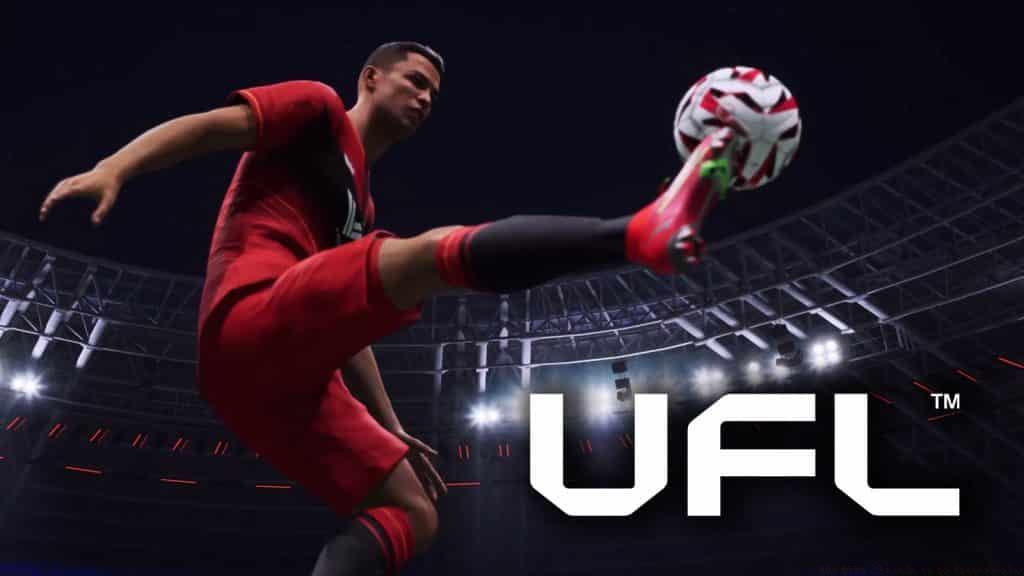 UFL
UFLHigh-profile endorsements like Cristiano Ronaldo lend credibility to newcomers.
Strategic Insight: New competitors typically target specific weaknesses in established games. UFL focuses on skill-based gameplay, while GOALS emphasizes accessibility. Understanding these positioning strategies helps identify which player segments are most vulnerable to switching.
Common Mistake to Avoid: Don’t underestimate emerging competitors because of smaller budgets. Many successful games gained traction by addressing specific player frustrations that larger publishers ignored.
FIFA’s Built-in Strengths
Regardless of criticism, FIFA’s core gameplay continues resonating with casual players and content creators alike. Even potential licensing changes won’t immediately erase the competitive advantage of authentic teams, players, and stadiums that only AAA publisher resources can secure. Beyond the pitch, Ultimate Team’s addictive cycle of pack openings, player acquisitions, and market trading remains as compelling today as its 2009 introduction. Regular promotional events consistently maintain engagement throughout each season.
EA Sports FC 26 review – The best football game in years
EA FC 26 devs want to respect your time and money more than past games
EA FC 26 dev responds to claims of “less” FUT promos
Licensing Advantage: FIFA’s extensive licensing portfolio includes over 30 leagues, 700 teams, and 17,000+ players. This creates a nearly insurmountable barrier for newcomers who must either secure expensive licenses or develop creative alternatives.
Community Infrastructure: Years of development have created robust online systems, anti-cheat measures, and server infrastructure that new competitors would require significant time and investment to replicate.
Brand Recognition: The FIFA name carries decades of brand equity. Even after the rebrand to EA Sports FC, the association with football gaming remains strong in consumers’ minds.
The Strategic Move to Free-to-Play
Eliminating the initial purchase requirement while preserving Ultimate Team’s engaging core mechanics would present an irresistible proposition for most football fans. Furthermore, spending money on card packs or cosmetic items becomes psychologically easier after enjoying substantial free gameplay. EA possesses all necessary components to dominate the competition—only one strategic decision to embrace free-to-play stands between current vulnerability and market supremacy.
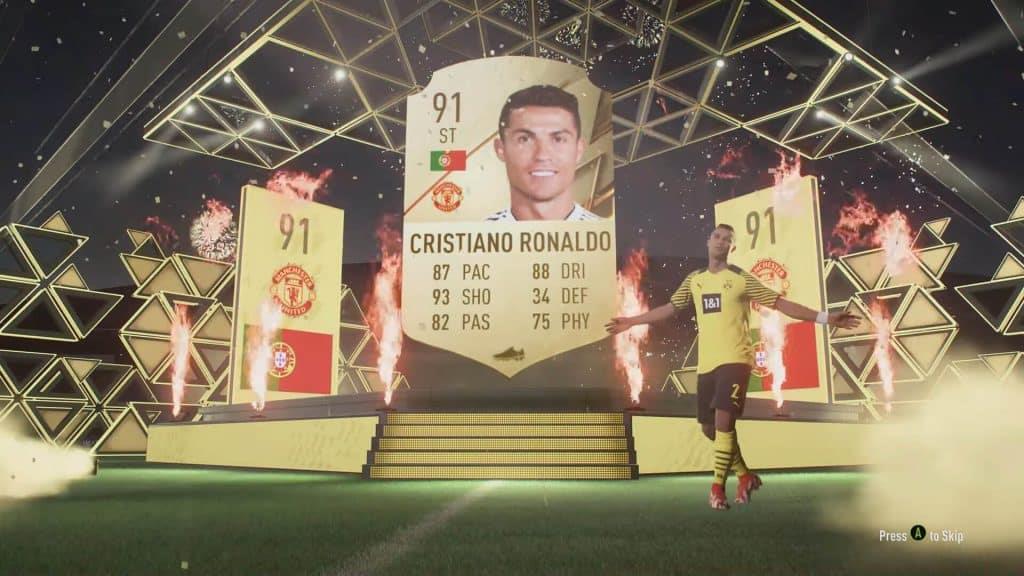 EA Sports
The emotional high of packing elite players drives Ultimate Team’s economy. For the first time in recent memory, FIFA faces genuine pressure to demonstrate its value proposition. Although eFootball’s launch encountered problems, it successfully illustrated the direction sports gaming must eventually follow.
With additional competitors entering the market, free-to-play appears increasingly essential for retaining significant market share. Ultimate Team’s structure perfectly accommodates seasonal content updates, supported by an enormous community craving football content. Free-to-play represents gaming’s inevitable future—the time for FIFA to hesitate has passed.
Monetization Strategy: Successful free-to-play transitions typically generate 3-5x more revenue than premium games through cosmetic items, battle passes, and quality-of-life enhancements. The key is providing value that feels optional rather than essential.
Player Acquisition Cost: Removing the $60 barrier reduces customer acquisition cost dramatically, allowing marketing budgets to focus on retention rather than initial conversion.
Competitive Timing: The ideal window for transition is before competitors establish loyal player bases. Once habits form around alternative games, recapturing those players becomes significantly more difficult and expensive.
No reproduction without permission:SeeYouSoon Game Club » Why FIFA 23 needs to go free-to-play How FIFA's shift to free-to-play could revolutionize football gaming and counter rising competition