
How Warzone could adopt CS:GO’s Prime model to combat rampant cheating issues
The Cheating Crisis in Warzone
Call of Duty: Warzone’s battle royale dominance faces a critical threat – an uncontrollable cheating epidemic undermining its competitive integrity. Since launch, hackers have exploited the game’s free-to-play accessibility, creating disposable accounts when banned. Unlike premium titles where cheaters face financial consequences, Warzone’s zero-cost entry enables endless abuse.
The cheating crisis has reached a tipping point, with professional players abandoning tournaments and content creators like Vikkstar leaving the platform. While anti-cheat systems like Ricochet help, they address symptoms rather than the structural vulnerabilities in Warzone’s economic model.
Learning from CS:GO’s Prime Success
How Prime Matchmaking Works
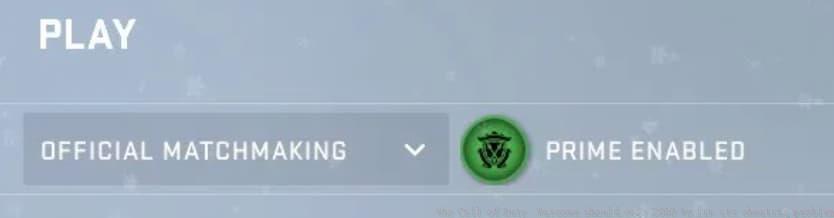
Valve’s Counter-Strike: Global Offensive offers a proven blueprint for combating cheating through its Prime Status system. When CS:GO transitioned to free-to-play in 2018, developers implemented a two-tiered matchmaking system. Legacy players who purchased the game automatically received Prime Status, while new players could acquire it through a $14.99 payment or by reaching profile level 21.
 Valve
ValveAdditional Verification Layers
Beyond financial barriers, CS:GO’s Prime requires phone number verification, creating significant obstacles for cheat providers. Each number can only verify one account, and VoIP numbers are blocked. This multi-factor approach reduced cheating in Prime queues by approximately 67% according to community-reported data, though Valve hasn’t released official statistics.
Adapting the Model for Warzone
Potential Benefits
A Warzone Prime system could automatically grant status to players who purchased Modern Warfare or Black Ops Cold War, while offering new players a $9.99 upgrade option. This could include:
- Priority matchmaking with verified players
- Exclusive cosmetic rewards
- Battle pass tier skips
- Phone-verified account protection
Expected Challenges
Activision would face community backlash for monetizing security, requiring careful communication. The system must demonstrate clear value beyond paywalling fair play. Technical challenges include implementing a robust phone verification system and preventing workarounds through burner phones or virtual numbers.
Beyond Prime: Trust Factor Systems
Current Shadowban Issues
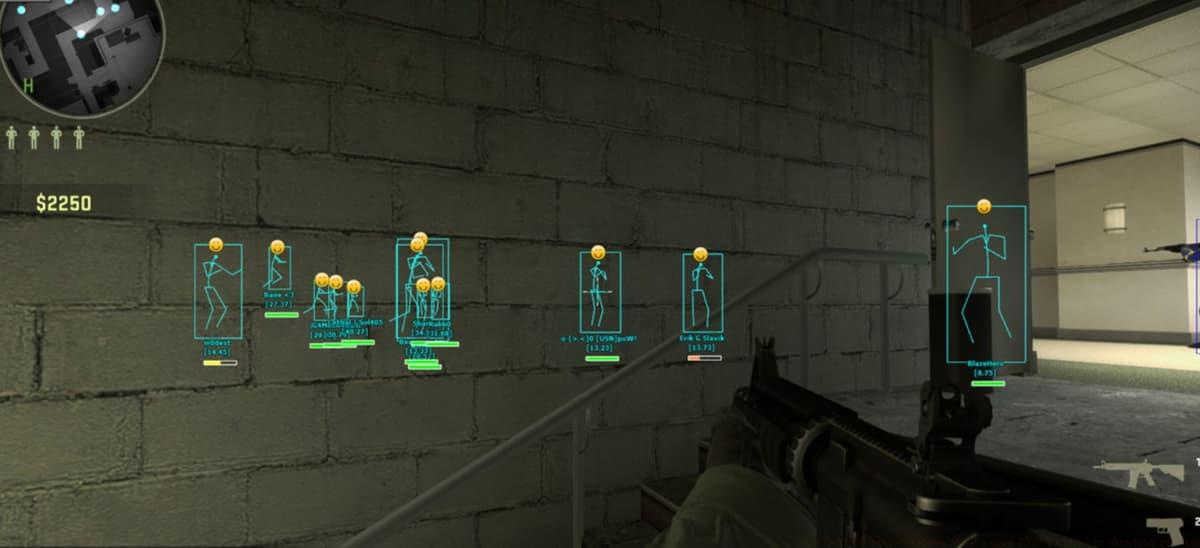
Warzone’s opaque reporting system creates frustration, with legitimate players sometimes trapped in “cheater queues” without explanation. A transparent trust score, visible in player profiles, would provide clarity and incentivize good behavior through:
- Clear metrics affecting matchmaking
- Documented paths to improve scores
- Appeal processes for false reports
 Valve
ValveTransparency Improvements
Following CS:GO’s example, Warzone could implement new account restrictions requiring 5-10 unranked matches before accessing competitive modes. This “probation period” would help identify cheaters before they reach ranked play while giving legitimate players time to learn mechanics.
Community and Competitive Impact
The cheating crisis has devastated Warzone’s competitive scene, with professional players increasingly avoiding tournaments due to suspicious opponents. Content creators report up to 80% of high-skill lobbies containing obvious cheaters based on community surveys. While a Prime system wouldn’t eliminate cheating entirely, the combination of financial barriers, verification systems, and transparent trust metrics could restore confidence in Warzone’s competitive integrity.
Black Ops 7 devs claim hacks are “unusable” thanks to anti-cheat clamp down
Activision has banned a crazy number of Black Ops 6 & Warzone players since Ranked Play launch
Call of Duty players call for one simple change to cull cheaters in Black Ops 6 and Warzone
No reproduction without permission:SeeYouSoon Game Club » Why Call of Duty: Warzone should copy CSGO to fix its cheating problem How Warzone could adopt CS:GO's Prime model to combat rampant cheating issues