
Defeating Prince Ahzrak: Complete Boss Strategy Guide and Story Analysis for Doom The Dark Ages
Introduction to Doom The Dark Ages and Prince Ahzrak
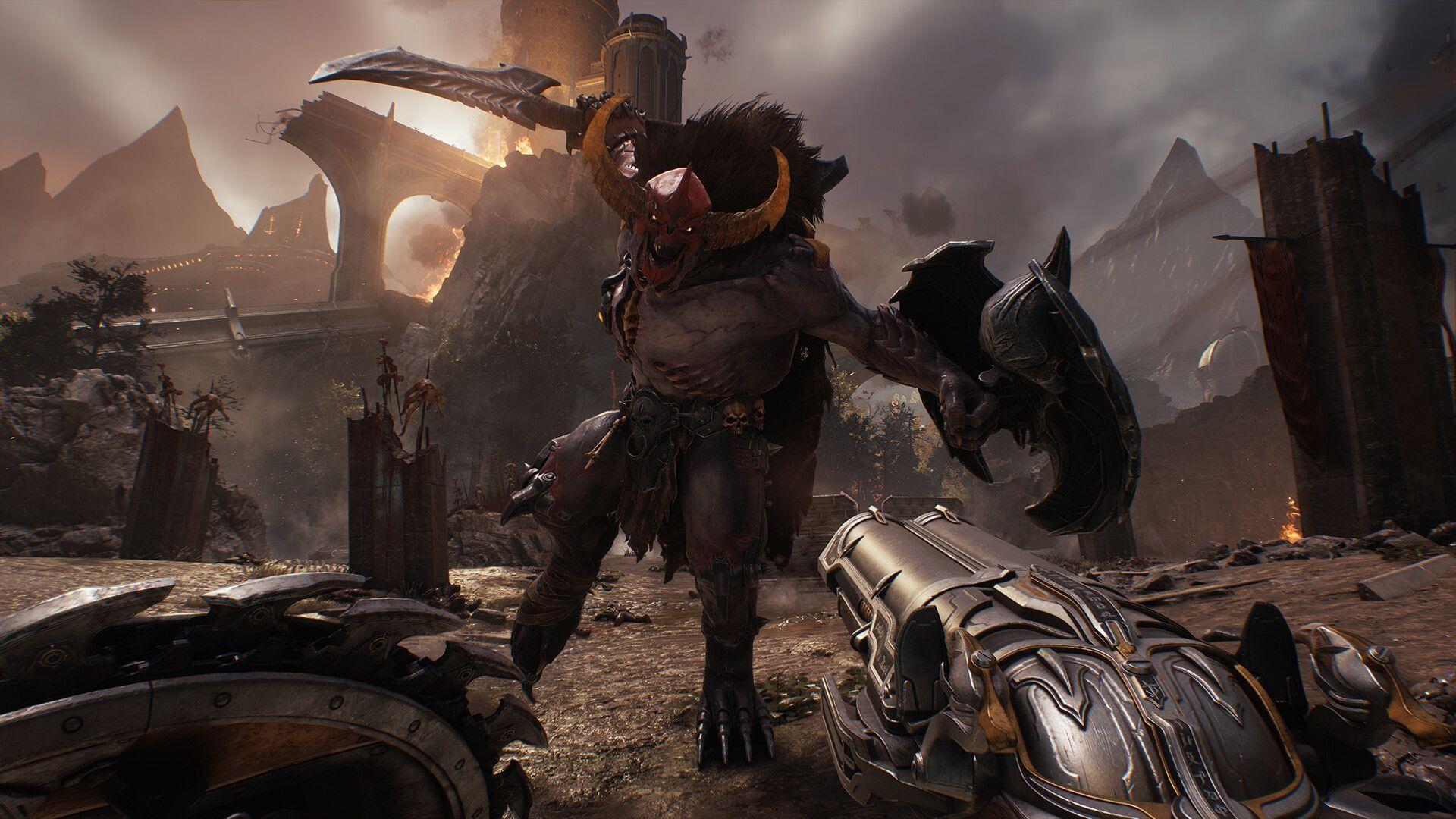
Doom The Dark Ages has revolutionized the gaming landscape with its distinctive fusion of medieval aesthetics and advanced technology. Following its May 15, 2025 release, the title immediately dominated Steam’s Global Charts, securing the #1 position within 24 hours while accumulating thousands of positive reviews. As a narrative prequel to contemporary Doom installments, this chapter explores the formative experiences of the Doom Slayer, providing unprecedented insight into his transformation from soldier to legend.
The game introduces Prince Ahzrak as the central antagonist, a formidable adversary whose ambitions drive the core conflict. His character design blends medieval armor with demonic elements, creating a visually striking villain that perfectly complements the game’s techno-medieval theme. Understanding Ahzrak’s motivations and capabilities is crucial for both story comprehension and combat preparation.
Prince Ahzrak’s Story Arc and Motivations
During the initial campaign stages, the Doom Slayer functions as an instrument of the Maykrs, his autonomy suppressed through the Tether control mechanism. As hostilities intensify, Prince Ahzrak personally intervenes to seize the Heart of Argent—a power source of unimaginable potential. Although the collaborative efforts of the Slayer and King Novik temporarily thwart his scheme, this setback triggers escalating retaliatory strikes against Sentinel forces.
The narrative advances as Ahzrak uncovers Commander Thira’s role as the genuine energy conduit for the Heart. His subsequent capture of Thira and extraction of the Wraith’s essence represents the climax of his power accumulation strategy. This energy harvest enables him to plan a decisive offensive against the Sentinels’ last strongholds. Crucially, this moment coincides with the Doom Slayer shattering the Tether’s domination, setting the stage for their ultimate confrontation where the hero rescues Thira from certain death.
Prince Ahzrak meets his demise through brutal decapitation during Doom The Dark Ages’ concluding sequences. Following an intense multi-phase boss encounter featuring repeated resurrections, both Ahzrak and his secondary antagonist, the Witch, fall to the Slayer’s relentless assault. This decisive triumph not only preserves Argent D’Nur from annihilation but permanently cements the Slayer’s reputation as humanity’s ultimate guardian.
The Epic Boss Battle: Strategies and Tactics
The confrontation with Prince Ahzrak represents one of Doom The Dark Ages’ most technically demanding encounters. This multi-stage battle requires mastering several distinct combat phases, each introducing unique attack patterns and environmental hazards. During the initial phase, Ahzrak employs long-range energy projectiles and teleportation strikes, demanding constant movement and precise dodging.
Advanced players should note that Ahzrak possesses two resurrection cycles, each triggered at 50% and 25% health thresholds. These revivals enhance his aggression while introducing new elemental attacks—fire-based area denial during the second phase and lightning-fast melee combos in the final stage. Optimal strategy involves conserving plasma-based weaponry for resurrection intervals, as these tools effectively disrupt his channeling animations.
Weapon selection critically impacts encounter efficiency. The Combat Shotgun’s staggering capability proves invaluable for creating glory kill opportunities, while the Heavy Cannon’s precision mode efficiently dismantles Ahzrak’s projectile shields. Many players overlook the Ballista’s secondary fire, which applies stacking vulnerability debuffs—particularly effective during the Witch’s simultaneous involvement in the battle’s climax.
Common strategic errors include over-committing to melee attacks during Ahzrak’s empowerment phases and failing to prioritize add clearance. Successful execution requires maintaining mid-range positioning, utilizing environmental cover during his area-of-effect attacks, and timing equipment usage to interrupt his most dangerous channeled abilities.
Story Implications and Series Connections
The narrative conclusion witnesses the Doom Slayer departing Sentinel ranks to initiate a personal crusade against Hell’s legions, establishing direct continuity with Doom (2016). This transition bridges the narrative gap between the medieval setting and the futuristic timeline of subsequent series entries. Ahzrak’s defeat represents more than a singular victory—it symbolizes the Slayer’s complete emancipation from external control and his embrace of an independent destiny.
From a lore perspective, the extraction and containment of the Wraith’s soul through Thira establishes critical mythology regarding Argent Energy’s origins. This revelation recontextualizes the energy source’s significance throughout the Doom universe, providing deeper understanding of the conflicts in later chronological installments. The game’s techno-medieval aesthetic similarly foreshadows the fusion of archaic and advanced elements that define the series’ unique identity.
The concluding sequences not only resolve Ahzrak’s threat but fundamentally transform the Doom Slayer’s character arc. His decision to operate independently demonstrates completed character development from controlled soldier to self-determined protector, setting the ideological foundation for his actions throughout the renewed series timeline.
No reproduction without permission:SeeYouSoon Game Club » Who is the main villain in Doom The Dark Ages? Antagonist’s identity, explained Defeating Prince Ahzrak: Complete Boss Strategy Guide and Story Analysis for Doom The Dark Ages