
Exploring Xbox launch possibilities, subscription changes, and visual upgrades following Microsoft’s acquisition of World of Warcraft.
Will WoW come to Xbox?
The gaming landscape shifted dramatically with Microsoft’s acquisition of Activision Blizzard, placing the future of World of Warcraft under new stewardship. This move fundamentally alters the strategic possibilities for Azeroth’s iconic MMORPG, particularly regarding platform exclusivity.
Microsoft’s purchase of Activision Blizzard represents a seismic event for the industry, forcing WoW enthusiasts to reconsider the game’s PC-only status and ponder the franchise’s trajectory under new ownership.
The acquisition news undoubtedly caught many by surprise, arriving amidst ongoing corporate challenges for Activision Blizzard. Following a period marked by controversial lawsuits and divisive game updates that drove players from flagship titles, World of Warcraft finds itself at a crossroads. The venerable MMO has experienced declining engagement since the Shadowlands expansion, raising questions about its future direction. Now operating under Microsoft’s expansive gaming division, Azeroth’s destiny is poised for reevaluation. This transition shouldn’t be viewed with alarm but rather as a potential catalyst for rejuvenating a franchise that once defined the MMORPG genre. With proper vision and investment, WoW could reclaim its position as the world’s premier massively multiplayer online role-playing game.
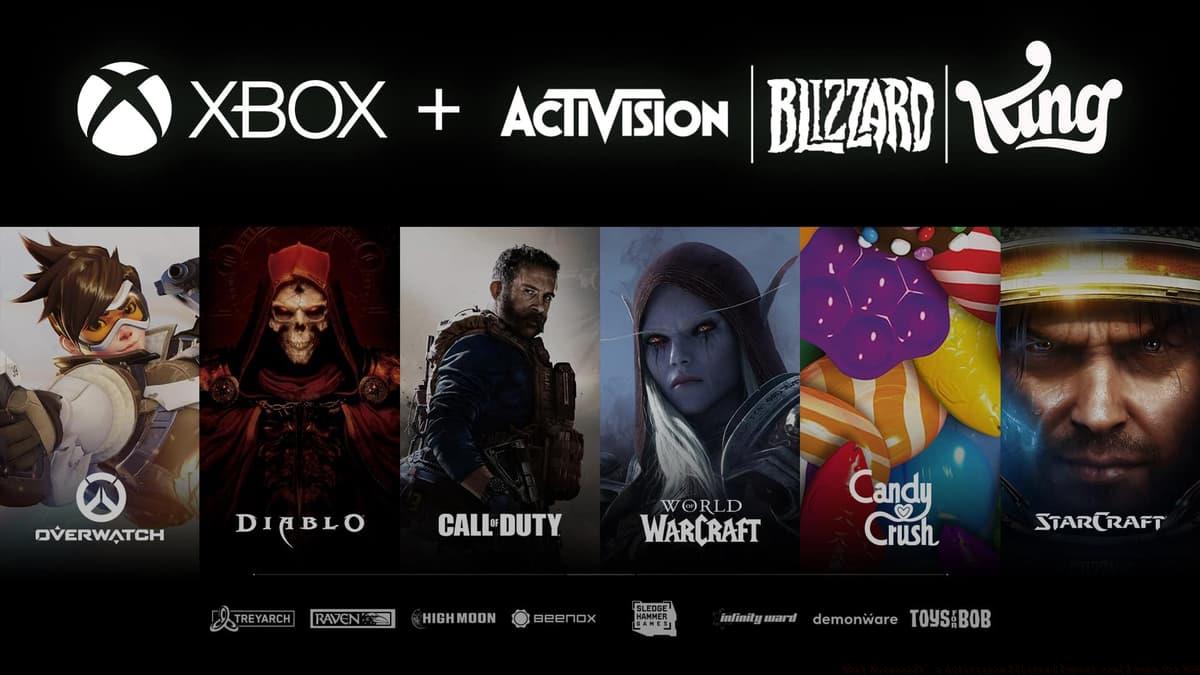 Microsoft
World of Warcraft joins a portfolio of legendary franchises now under Microsoft’s management umbrella.
Platform expansion emerges as the most immediate question following the acquisition. With Microsoft controlling both the development studio and a major console platform, an Xbox version of World of Warcraft appears not just possible but strategically logical. The business case strengthens when considering WoW’s steadily declining active user base. Introducing the game to console audiences represents a substantial opportunity to inject fresh participants into Azeroth’s ecosystems. Opening the gates to millions of Xbox players who may have never experienced PC-based MMORPG gameplay makes compelling commercial sense. However, this expansion necessitates careful consideration of how the game’s intricate systems would translate to controller-based interfaces.
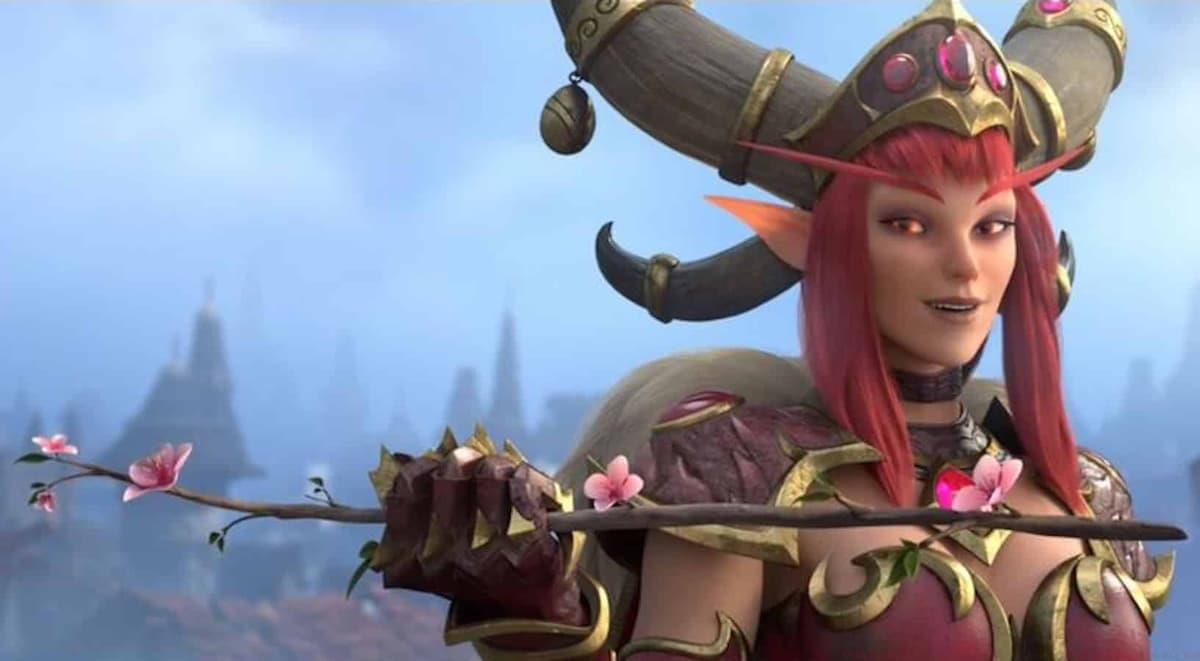 Blizzard Entertainment
Azeroth’s rebirth on new platforms could redefine the MMORPG experience for console generations.
The most tangible benefit of an Xbox port would be population revitalization. Modern WoW suffers from sparse server populations that create perception issues for new and returning players. Logging into expansive zones that feel abandoned creates a negative feedback loop—players see empty spaces and question whether investing time is worthwhile, leading to further depopulation. Breaking this cycle requires a substantial influx of new adventurers. Console integration offers precisely this demographic expansion while simultaneously creating opportunities for cross-platform play and progression systems that could unite PC and console communities. The potential positive outcomes multiply when considering how refreshed populations would enhance dungeon finder queues, auction house economies, and world event participation. Practical Tip: Players concerned about population should monitor server merger announcements and consider transferring to higher-population realms before any platform expansion occurs.
New platforms inherently bring new participants—the revitalizing force that Azeroth’s waning realms desperately need. This expansion would naturally facilitate crossplay functionality and unified progression systems between PC and potential console versions. The advantages extend beyond mere population numbers to include renewed developer attention, increased content investment, and broader cultural relevance. Yet the most transformative change might involve how players access and pay for their adventures…
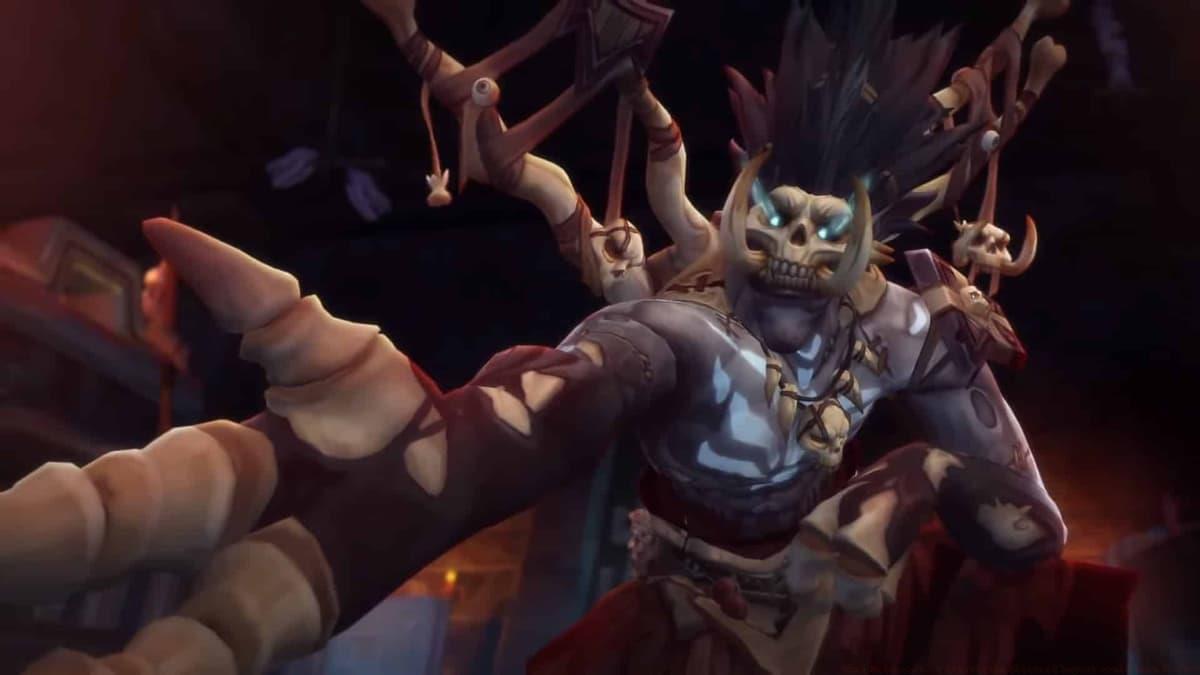 Blizzard Entertainment
Microsoft’s stewardship could chart a new course for Blizzard’s flagship franchise.
Bye bye subscription fees!
World of Warcraft’s monthly subscription represents a significant barrier for many potential players. The requirement to continuously pay for access, regardless of play frequency, has grown increasingly controversial in an era of diverse gaming options. Blizzard’s elimination of the 30-day subscription option hinted at broader monetization reconsideration. Should WoW migrate to Xbox platforms, integration with Xbox Game Pass appears the most probable outcome. This subscription service model differs fundamentally from WoW’s current approach by bundling access with hundreds of other titles. While still requiring regular payment, the value proposition transforms dramatically—instead of dedicating funds solely to Azeroth, players gain entry to an extensive library. The financial comparison reveals stark differences: traditional six-month WoW subscriptions costing $156 would be replaced by Game Pass’s bundled economics. Common Mistake: Players often overlook that subscription fatigue affects retention; alternative models that offer flexibility typically maintain higher long-term engagement.
How many people play World of Warcraft in 2025?
Former Xbox exec says the “console is dead” after praising PS5
Everything we know about World of Warcraft: Midnight after Gamescom gameplay trailer reveal
Alternative monetization pathways exist beyond subscription services. WoW could adopt a buy-to-play framework with upfront base game costs supplemented by expansion purchases—a return to the physical collector’s edition era but with digital distribution. This model’s feasibility depends heavily on whether Microsoft maintains Battle.net’s independence or integrates Blizzard’s systems into Xbox infrastructure. Either architectural decision carries implications for player accounts, friend lists, and social features. The community overwhelmingly desires relief from the relentless subscription pressure, making any movement away from the current model a welcome development.
 Microsoft
Xbox Game Pass provides a potential blueprint for reimagining WoW’s access economics.
A graphical overhaul?
Comparing World of Warcraft’s visual presentation to contemporary Xbox exclusives reveals a substantial modernisation gap. While the game’s stylized aesthetic possesses nostalgic charm, imagining Azeroth rendered with modern 4K fidelity—channeling the visual splendor of competitors like Final Fantasy XIV or Lost Ark—illustrates the transformation possible. Iconic locations like Stormwind City and Zandalar’s emerald jungles would benefit immensely from enhanced textures, lighting, and geometry. Such visual revitalisation would accomplish dual objectives: attracting new players accustomed to current-generation graphics while giving veteran adventurers compelling reasons to revisit familiar territories. Furthermore, establishing higher visual standards would positively influence future expansion development, addressing community concerns about fluctuating quality levels. Azeroth clearly requires substantial innovation, and Microsoft’s resources could facilitate this necessary evolution. Although development teams may remain consistent, new corporate leadership typically brings revised expectations and support for ambitious projects.
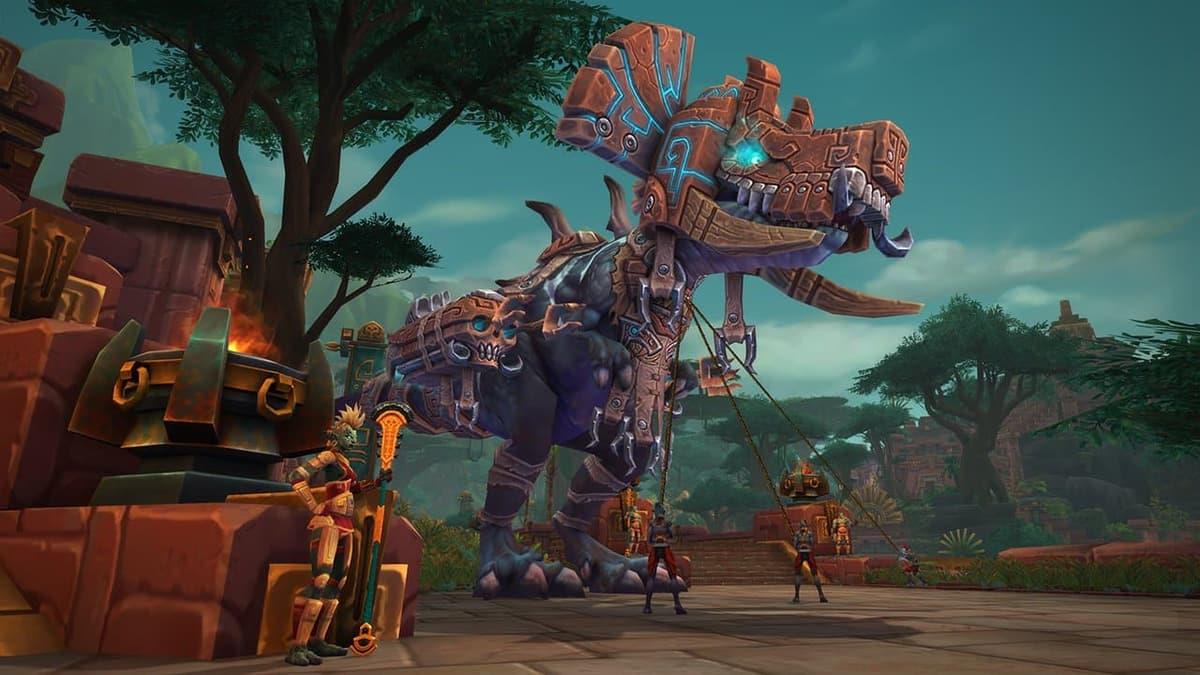 Blizzard Entertainment
Visual enhancements could make Zandalar’s golden architecture truly shimmer with next-generation detail. Beyond virtual considerations, real-world implications for Activision Blizzard staff remain paramount. Xbox leadership has publicly addressed ongoing workplace concerns, fostering hope for improved conditions under new oversight. Regarding World of Warcraft specifically, Microsoft’s acquisition illuminates a path forward from what felt like an endless period of uncertainty. This transition represents precisely what the game and its dedicated community require—renewed vision, substantial investment, and strategic clarity. The opportunity for renaissance awaits.
A brave new World of Warcraft
The Microsoft acquisition fundamentally recontextualizes World of Warcraft’s future possibilities. Beyond specific features like platform expansion or graphical updates, this change in stewardship signals potential comprehensive revitalization. The community’s accumulated concerns—regarding content pacing, system complexity, and communication transparency—now face reevaluation under different corporate priorities.
Successful transition requires careful navigation of several critical areas. First, maintaining the game’s core identity while adapting systems for potential console audiences presents design challenges. The intricate ability rotations and interface complexity that define WoW’s gameplay would need thoughtful translation to controller inputs without diluting strategic depth. Second, any monetization changes must balance accessibility with sustainable development funding. Third, visual enhancements should preserve the game’s distinctive artistic style while leveraging modern rendering technologies.
Optimization Tip for Advanced Players: Prepare for potential meta-shifts by diversifying your character specializations and maintaining current gear across multiple roles. Platform expansions typically bring gameplay adjustments that can alter class balance and dungeon strategies.
The most promising aspect of this acquisition is the alignment of corporate resources with community aspirations. Microsoft’s demonstrated commitment to its gaming ecosystem, combined with substantial financial investment capacity, creates conditions where ambitious projects can receive proper support. For veteran players who have witnessed WoW’s evolution across decades, this moment represents perhaps the most significant inflection point since the game’s original launch.
No reproduction without permission:SeeYouSoon Game Club » What Microsoft’s Activision Blizzard buyout could mean for WoW Exploring Xbox launch possibilities, subscription changes, and visual upgrades following Microsoft's acquisition of World of Warcraft.