
Analyzing Warzone’s crossover struggles and why Fortnite dominates cross-platform collaborations with actionable insights
Warzone’s Crossover Evolution: From Promise to Problems
When Call of Duty: Warzone launched in March 2020, it revolutionized the battle royale landscape by delivering a polished, community-focused FPS experience that immediately resonated with players worldwide. The game’s tight shooting mechanics combined with accessible progression systems created an environment where both casual and competitive players could thrive. However, as the platform evolved through transitions between Black Ops Cold War, Modern Warfare, and Vanguard integrations, Activision began experimenting with crossover content to maintain player engagement during seasonal lulls.
Warzone’s crossover attempts have ranged from 80s action heroes to monster movie icons, but these collaborations consistently struggle to integrate meaningfully with the game’s core combat mechanics and military aesthetic. Despite massive financial investments in licensing, the execution often feels disconnected from what makes Warzone compelling.
The initial wave of crossovers demonstrated Activision’s ambition to transform Warzone into a platform for pop culture integration. Characters like John McClane and John Rambo brought recognizable appeal but were hampered by implementation that failed to leverage Warzone’s strengths. These collaborations typically introduced side objectives that felt tangential to the main battle royale experience, such as the underwhelming recreation of Nakatomi Plaza or the repetitive Vanguard train defense missions. The fundamental issue lies in the disconnect between crossover content and core gameplay loops—players drop into Warzone for tactical military combat, not to complete mini-games that disrupt the flow of strategic engagements.
 Activision, Warner Brothers
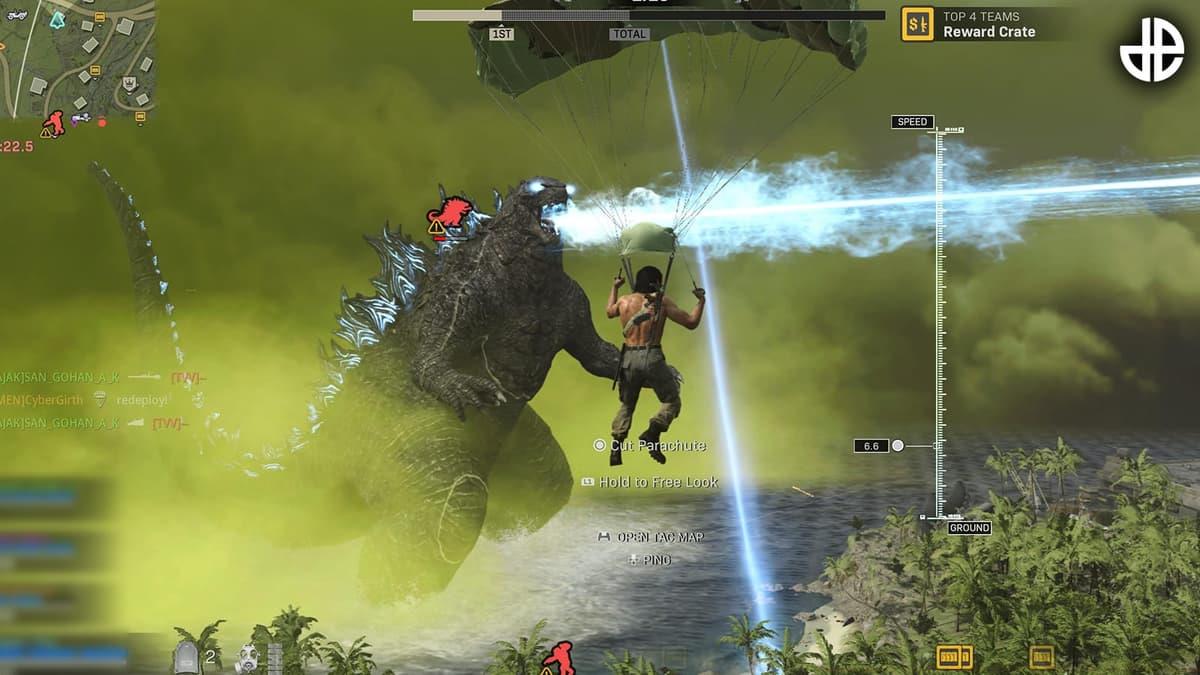
Operation Monarch represents Activision’s continued investment in high-profile crossovers despite mixed community reception. High-profile streamers including Dr Disrespect and TimTheTatMan have consistently criticized these crossover implementations for prioritizing spectacle over substance. Their feedback highlights a crucial divide between Activision’s vision for Warzone as a crossover platform and the community’s desire for refined core gameplay. The introduction of Operation Monarch, featuring Godzilla and King Kong, represents Activision’s latest attempt to balance pop culture appeal with engaging gameplay mechanics, but questions remain about whether this approach aligns with what dedicated Warzone players actually want from their gaming sessions.
Operation Monarch: Progress Made, Potential Missed
Operation Monarch’s greatest strength lies in its simplified approach to crossover gameplay mechanics. By focusing on direct combat interactions with the titans and straightforward progression systems, it avoids the convoluted objectives that plagued earlier collaborations. The tropical Caldera environment provides a natural backdrop for these colossal creatures, allowing their presence to feel somewhat organic within the battle royale context. The removal of complex side missions in favor of integrated Titan combat represents meaningful progress in crossover design philosophy.
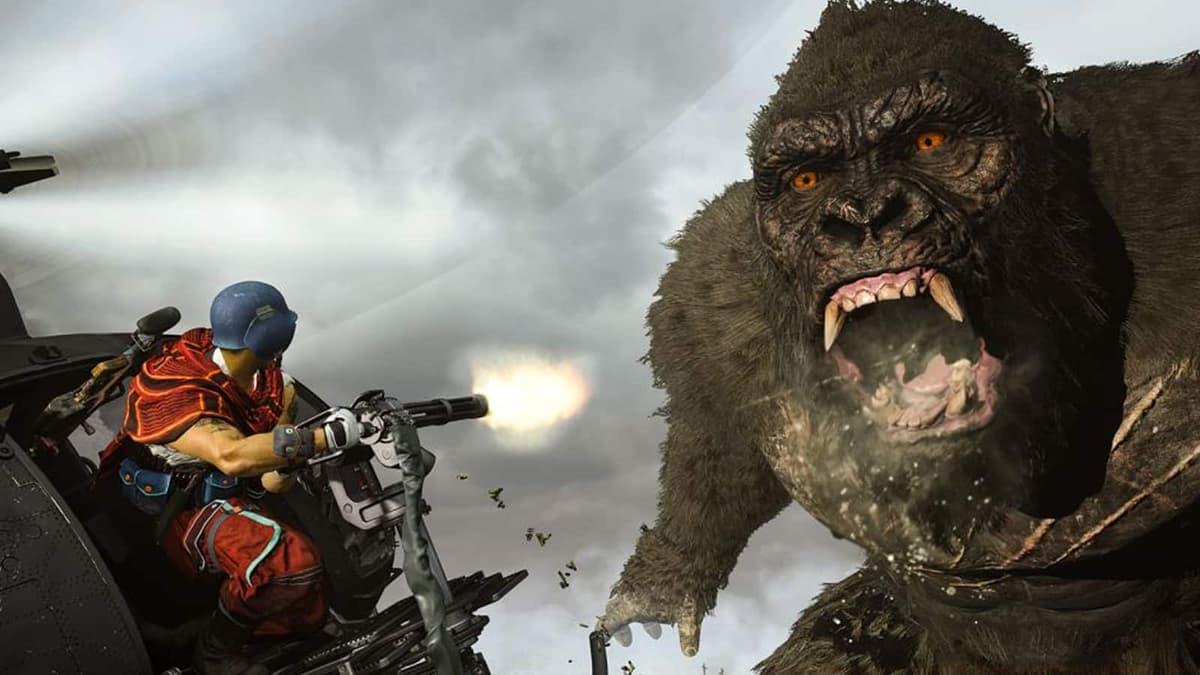
From a presentation standpoint, Operation Monarch excels at capturing the cinematic scale and auditory impact of its source material. Godzilla’s earth-shaking footsteps and signature atomic breath create genuine moments of awe, while King Kong’s chest-beating intimidation tactics translate surprisingly well to the Warzone environment. The visual fidelity of these creatures, combined with their appropriately massive scale relative to player characters, creates memorable encounters that temporarily transform the standard battle royale experience. The adrenaline rush of navigating helicopter extraction while these titans clash nearby demonstrates the potential for well-executed crossover moments.
 Activision
The S.C.R.E.A.M. device provides temporary access to titan abilities but falls short of truly transformative gameplay. Despite these improvements, Operation Monarch still misses crucial opportunities for deeper player engagement. The inability to directly control Godzilla or King Kong, even for limited durations, represents a significant wasted potential. Given the substantial financial investment required to license these iconic characters, restricting player interaction to peripheral abilities via the S.C.R.E.A.M. device feels unnecessarily conservative. Temporary titan control mechanics could have created truly memorable gameplay moments while better justifying the crossover’s premium price tag. Additionally, the event’s connection to a year-old film release diminishes its cultural relevance and suggests reactive rather than proactive collaboration planning.
Fortnite’s Crossover Masterclass: Integration Over Imposition
Fortnite’s unparalleled success with crossovers stems from Epic Games’ fundamental understanding that integration must serve both the narrative and gameplay ecosystems. Rather than treating collaborations as disposable content drops, Fortnite weaves them directly into the ongoing storyline of the island’s evolving mythology. When Marvel characters arrive, they become central actors in cosmic conflicts; when Star Wars content appears, it introduces mechanics that reshape combat dynamics. This approach transforms crossovers from mere cosmetics into meaningful narrative events.
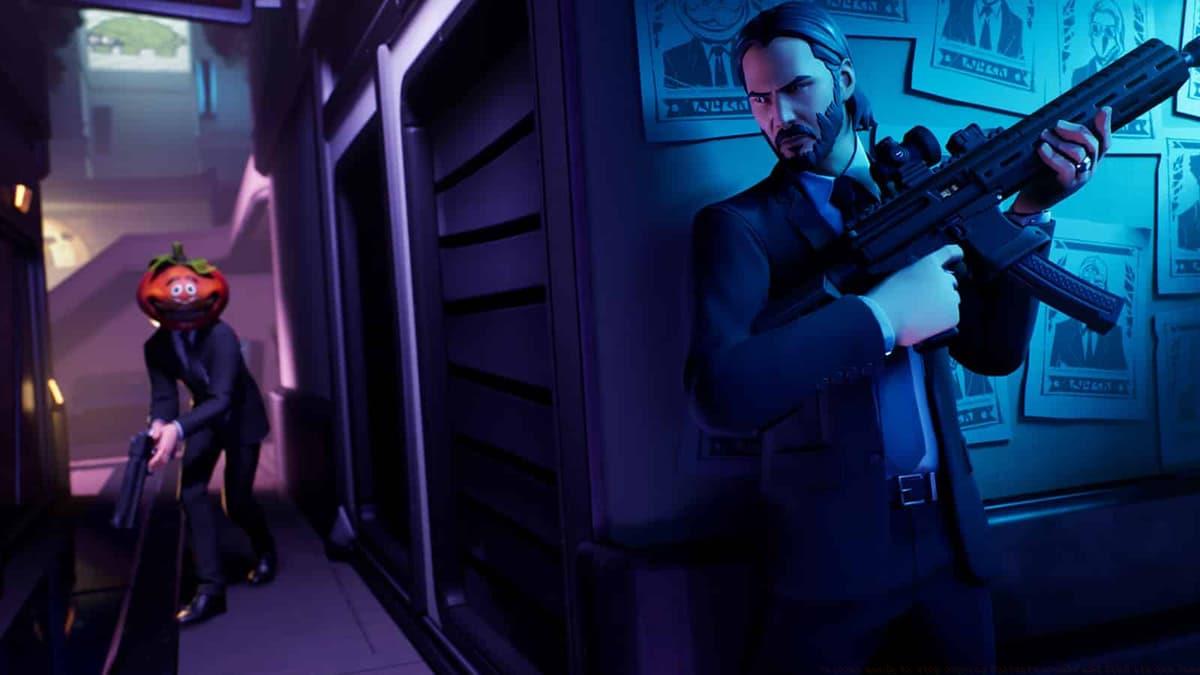
The social dimension of Fortnite’s crossover strategy represents another key advantage. The game functions as a digital playground where players collectively experience these collaborations through shared events and limited-time modes. While Warzone struggles with maintaining its gritty military aesthetic, Fortnite’s flexible cartoonish style naturally accommodates diverse characters and themes. Swapping between John Wick, Black Widow, and Ariana Grande skins feels organic within Fortnite’s established tone, whereas similar flexibility would undermine Warzone’s identity. Epic Games has masterfully positioned Fortnite as a platform for cultural expression rather than just a battle royale game.
 Epic Games, Lionsgate
Fortnite’s flexible aesthetic allows diverse character integrations that feel natural within its established universe. Event execution represents perhaps the most significant differentiator between the two approaches. Fortnite’s collaborations frequently introduce permanent gameplay changes or limited-time events that fundamentally alter the game world. The Galactus event that saw the colossal villain attempting to consume the entire map created a shared experience that felt genuinely epic in scale. Similarly, the ongoing narrative involving Doctor Strange and the Imagined Order demonstrates how crossovers can drive long-term storytelling. Warzone’s events, by contrast, often feel like temporary distractions rather than integral components of the gameplay experience. This distinction highlights why Fortnite players embrace collaborations while Warzone’s community frequently views them with skepticism.
Understanding SBMM: How Matchmaking Algorithms Impact Your Warzone Experience
Rebirth Island Strategy Guide: Maximizing Positioning and Rotation Efficiency
The Psychology of Crossover Content: Why Players Engage With Brand Collaborations
Strategic Recommendations for Warzone’s Future
As Warzone 2 approaches alongside Modern Warfare 2, Activision faces critical decisions about the role of crossover content in their flagship battle royale. The most prudent path forward involves refocusing development resources on strengthening Warzone’s core identity as a premier military FPS experience. Rather than chasing Fortnite’s crossover success, Warzone should leverage its established strengths: realistic gunplay, tactical movement, and strategic team coordination. Players consistently demonstrate through engagement metrics and community feedback that polished gameplay systems matter more than licensed character appearances.
For crossover content that does make it into Warzone, a more selective and thematically appropriate approach would yield better results. Military-adjacent franchises like Tom Clancy’s universe, James Bond, or even certain comic book characters with tactical aesthetics could integrate more naturally than giant monsters or cartoon characters. The key lies in maintaining narrative consistency while introducing gameplay enhancements that complement rather than disrupt the core experience. Limited-time modes specifically designed around these collaborations, rather than shoehorning them into standard battle royale, could provide the best of both worlds. The impending release of Warzone 2 represents a reset opportunity for Activision’s crossover strategy. By establishing a separate universe from mainline Call of Duty titles, the developers could create narrative flexibility for more ambitious collaborations without compromising the franchise’s identity. However, this approach requires careful planning and commitment to quality over quantity—less frequent but better-executed crossovers would serve the community better than the current model of frequent, disjointed collaborations. Until these structural issues are addressed, Warzone would benefit from leaving comprehensive crossover execution to Fortnite while focusing on what it does best: delivering exceptional first-person shooter mechanics.
No reproduction without permission:SeeYouSoon Game Club » Warzone needs to stop copying Fortnite events and find its own lane Analyzing Warzone's crossover struggles and why Fortnite dominates cross-platform collaborations with actionable insights