
Expert insights on Dawn of War Definitive Edition with performance analysis, faction strategies, and essential gameplay tips
Performance and Technical Excellence
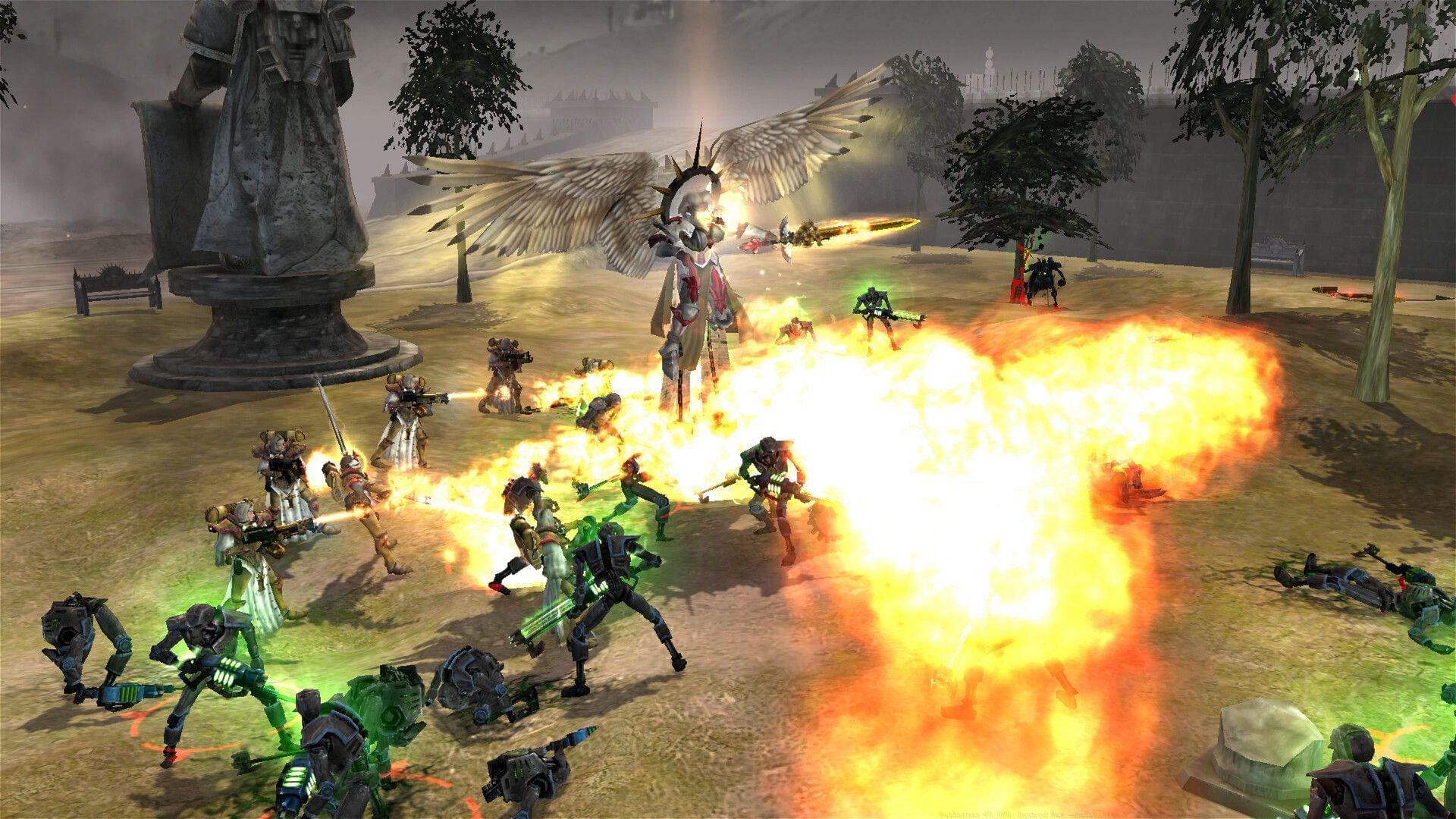
Warhammer 40,000: Dawn of War – Definitive Edition represents a meticulously polished real-time strategy experience developed and published by Relic Entertainment. This definitive package brings classic RTS mechanics into the brutal Warhammer 40,000 universe, offering what essentially feels like Age of Empires reimagined through a grimdark sci-fi lens.
My journey with this franchise began in 2008 when I first discovered the expansive Warhammer 40K lore. Despite limited resources at the time, I became so captivated by the universe that I extensively researched its rich background on Wikipedia. While my initial experience came through unofficial channels, that introduction sparked a lifelong passion that has since seen me legitimately acquire numerous Warhammer titles across both fantasy and 40K settings.
This review reflects not just critical analysis but genuine appreciation for the game that served as my gateway into this incredible universe. Warhammer 40,000: Dawn of War – Definitive Edition represents both a nostalgic homecoming and an opportunity to introduce new players to the franchise that captured my imagination years ago.
Warhammer 40,000: Dawn of War – Definitive Edition, provided by Relic Entertainment, was played on a system having the following configuration:
The technical performance remains impeccable even by modern standards. Loading times are remarkably brief, with no noticeable frame rate drops or stuttering during intensive battles. The game maintains consistent performance regardless of unit density, handling massive engagements with hundreds of entities without compromising responsiveness.
Audio design deserves particular praise for its immersive qualities. The visceral impact of Space Marine battle cries colliding with enemy formations creates an authentically war-torn atmosphere. Weapon reports, unit vocalizations, and environmental sounds collectively transport players directly into the 41st millennium’s battlefields, evoking powerful nostalgia while remaining technically competent.
Gameplay Mechanics and Faction Strategies
When I initially experienced Dawn of War, the complete trilogy of expansions—Winter Assault, Dark Crusade, and Soulstorm—had already released. This definitive edition conveniently bundles all three expansions from launch, providing immediate access to the franchise’s complete narrative arc. While each campaign offers distinct appeal, the original Blood Ravens storyline remains my personal recommendation for narrative depth and strategic complexity.
The original campaign delivers a compelling narrative filled with unexpected developments and demanding tactical decisions that will challenge even seasoned RTS veterans. Winter Assault presents an alternative approach with its faction-alignment system, allowing players to command either Order (Imperial Guard and Eldar) or Disorder (Chaos Space Marines and Orks) forces with dramatically different playstyles and objectives.
Dark Crusade and Soulstorm introduce expansive galactic conquest modes where players select a single faction to dominate the galaxy through open-ended strategic campaigns. These modes emphasize faction specialization and long-term planning, allowing players to selectively engage enemies and control the pace of their galactic domination.
The nine available factions each feature unique unit rosters, special abilities, and strategic philosophies that significantly alter gameplay approaches. My personal preferences lean toward Space Marines for balanced versatility, Tau for long-range firepower superiority, and Sisters of Battle for aggressive close-quarters dominance—though this Tau preference often draws accusations of heresy from purists.
Gameplay mechanics preserve the original’s core design while incorporating quality-of-life enhancements and visual improvements. While not matching the technical sophistication of contemporary titles like Total War: Warhammer, this 20-year-old masterpiece remains remarkably functional and delivers precisely what longtime fans expect from a definitive edition.
Veterans of traditional RTS games like Age of Empires or Age of Mythology will find familiar mechanics adapted to Warhammer 40K’s distinctive grimdark setting. The core loop of base-building, resource management, and unit control translates seamlessly to this universe where conflict represents the only constant across the 41st millennium.
Strategic Insights and Advanced Tactics
Mastering Dawn of War requires understanding several key strategic principles beyond basic RTS mechanics. Resource control forms the foundation of victory—prioritize strategic points early and maintain forward bases to ensure constant requisition flow. Advanced players should focus on unit preservation rather than constant reinforcement; experienced units gain veterancy bonuses that dramatically improve combat effectiveness.
Common beginner mistakes include over-expanding without proper defense, neglecting unit counters, and underestimating garrison advantages. Always scout enemy compositions before committing to unit production—countering heavy infantry with anti-personnel units and vehicles with armor-piercing weapons makes engagements significantly more efficient.
Faction-specific optimization begins with understanding unique mechanics. Space Marines excel at combined arms tactics with balanced unit compositions. Tau demand careful positioning to maximize their ranged superiority. Sisters of Battle leverage faith mechanics that reward aggressive playstyles. Chaos factions should prioritize skull collection to empower their darker abilities.
Multiplayer considerations differ significantly from campaign play. Rush strategies prove more effective against human opponents, while turtle approaches often fail against experienced players. Learn to identify enemy build patterns through early scouting and adapt your production accordingly. Map control becomes even more critical in competitive matches where resource denial can decide victories.
Performance optimization extends beyond hardware considerations. Adjust unit detail settings based on your system capabilities during large engagements. Disabling certain visual effects can maintain smooth performance during 8-player skirmishes with maximum unit counts. The game’s aging engine remains surprisingly scalable across modern hardware configurations.
Final Verdict and Player Recommendations
Warhammer 40,000: Dawn of War – Definitive Edition doesn’t represent the pinnacle of 41st millennium gaming experiences by contemporary standards, but it undoubtedly pioneered the genre’s adoption within this rich universe. While modern titles may offer superior technical execution, this definitive edition preserves the foundational experience that introduced countless players to Warhammer 40K’s distinctive appeal.
The package successfully accomplishes its primary objectives: evoking potent nostalgia for veteran players while providing an accessible entry point for newcomers exploring this universe for the first time. The preservation of core gameplay combined with all expansion content creates substantial value for both audiences.
With nine diverse factions, extensive skirmish options, and multiple campaign modes offering distinct strategic experiences, this edition provides hundreds of hours of engaging content. The complete package represents one of the most comprehensive introductions available for Warhammer 40K newcomers, effectively balancing accessibility with depth across its various game modes.
Reviewed on: PC (Review code provided by Relic Entertainment)
Platform: Microsoft Windows
Developer: Relic Entertainment
Publisher: Relic Entertainment
Release: August 14, 2025
No reproduction without permission:SeeYouSoon Game Club » Warhammer 40,000: Dawn of War – Definitive Edition Review: Revisiting a grimdark cult classic, and it doesn’t disappoint Expert insights on Dawn of War Definitive Edition with performance analysis, faction strategies, and essential gameplay tips