
Master Ultron’s Battle Matrix Protocol with strategic insights, gameplay tips, and optimization strategies for Marvel Rivals
Introduction to Season 2.5’s Game-Changing Mode
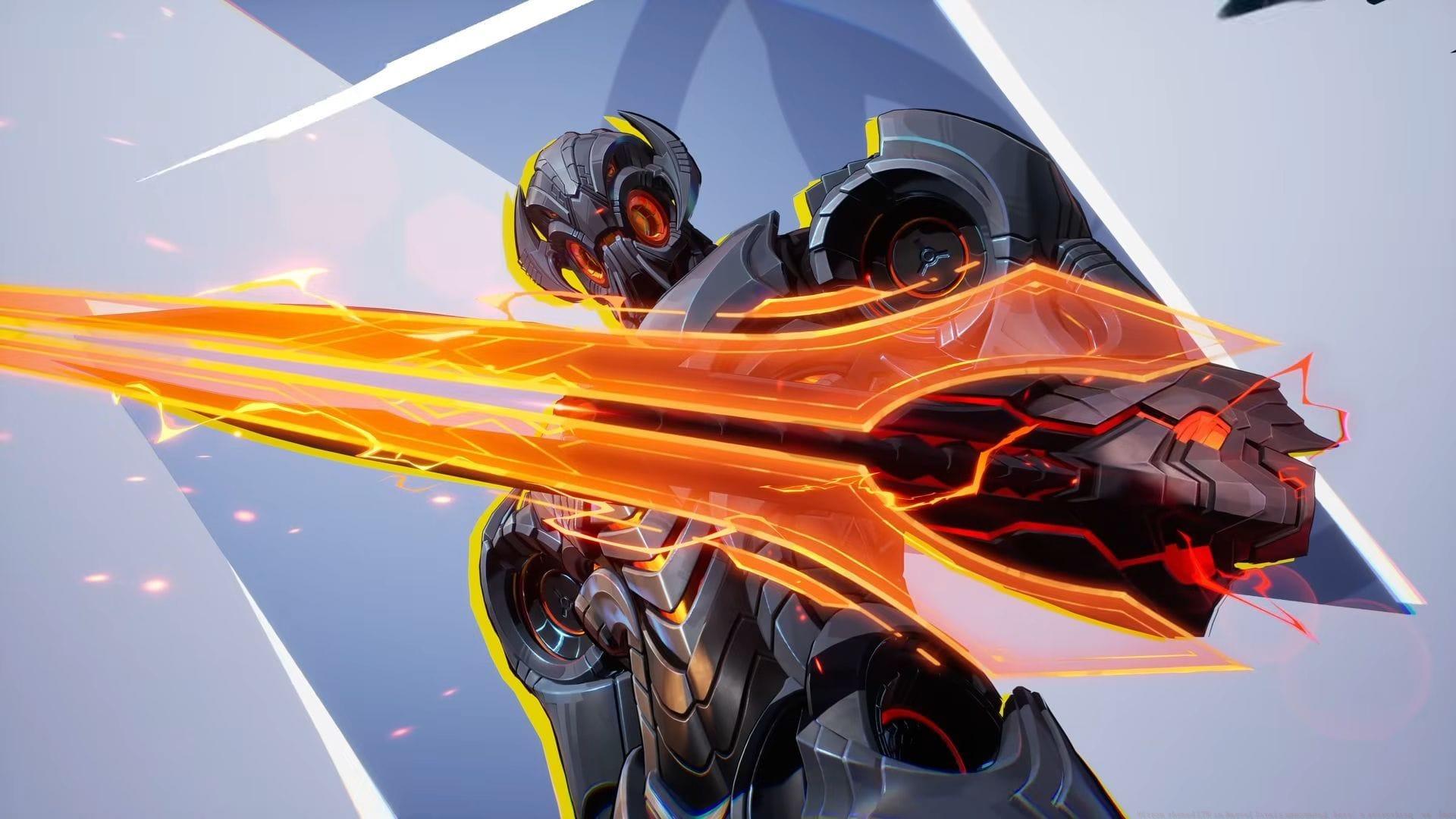
Marvel Rivals Season 2.5 represents a significant evolution in the game’s content strategy, delivering substantial new experiences for dedicated players. Beyond the anticipated Team-Up Abilities and map updates, the introduction of Ultron as a Strategist class Hero marks a pivotal moment in roster development. This synthetic intelligence villain brings sophisticated tactical options that complement the upcoming Battle Matrix Protocol mode, creating a cohesive thematic experience. The timing of these releases demonstrates NetEase’s commitment to refreshing gameplay while maintaining narrative consistency across new content additions.
The experimental Battle Matrix Protocol represents a bold departure from Marvel Rivals’ established 6v6 format, offering players an entirely fresh approach to hero mastery. This limited-time mode emphasizes cerebral engagement over mechanical execution, allowing tactical minds to flourish without the pressure of traditional competitive constraints. The mode’s design philosophy centers on empowering individual decision-making while providing tools for deep character customization and strategic expression.
Core Gameplay Mechanics and Strategic Framework
The top-down perspective in Battle Matrix Protocol fundamentally alters how players engage with Marvel Rivals’ combat systems. This camera angle provides enhanced battlefield awareness, enabling better positioning decisions and improved threat assessment. Unlike traditional first-person modes where reflexes dominate, this view prioritizes foresight and tactical planning. Players can anticipate enemy movements, coordinate ability sequences more effectively, and manage multiple engagement zones simultaneously.
Solo hero lineup creation represents the mode’s cornerstone mechanic, allowing unprecedented team composition control. Players assemble their ideal three-hero roster from the entire available character pool, considering synergy potential and counter-pick options. This system rewards deep game knowledge and understanding of hero interactions. The absence of teammate coordination requirements means compositions can focus entirely on personal playstyle preferences and strategic advantages.
Build enhancement through power-ups and trait modifications provides layers of strategic depth previously unavailable in standard modes. Each hero can be customized with specialized modifications that amplify their core strengths or address inherent weaknesses. These enhancements range from damage amplification and cooldown reduction to unique mechanic alterations that fundamentally change how abilities function. The system encourages experimentation with unconventional builds that would be suboptimal in competitive environments but excel within this sandbox format.
Advanced Strategy and Optimization Techniques
Mastering hero synergies requires understanding complementary ability interactions and timing windows. Effective combinations leverage overlapping crowd control effects, damage amplification stacking, and defensive coverage gaps. For example, pairing area denial specialists with high-burst damage dealers creates overwhelming zone control, while combining mobility-focused heroes with sustained damage output enables hit-and-run tactics. Advanced players should experiment with ability rotation sequences that maximize uptime on critical effects while minimizing vulnerability periods.
Power-up selection strategy hinges on identifying win conditions and countering anticipated opponent compositions. Early game enhancements should focus on establishing lane control and farming efficiency, while mid-to-late game choices must address specific matchup challenges. Defensive power-ups gain value against burst-heavy compositions, while mobility enhancements counter area control strategies. The most successful players adapt their enhancement path dynamically based on real-time match developments rather than pre-determining their build order.
Match pacing control separates competent players from exceptional strategists in Battle Matrix Protocol. The amplified damage and ability modifiers accelerate engagement tempo, requiring quick decision-making under pressure. Successful players learn to recognize pacing triggers—specific hero level thresholds, key power-up acquisitions, or objective spawn timings—that signal optimal engagement windows. Controlling the match rhythm through selective aggression and calculated retreats prevents opponents from executing their preferred strategies while enabling your composition’s strengths.
Common Pitfalls and How to Avoid Them
Strategic overcommitment represents the most frequent mistake in Battle Matrix Protocol. The solo nature of the mode tempts players to pursue aggressive plays without backup options, leading to preventable defeats. Avoid this by maintaining escape routes, tracking opponent cooldowns, and recognizing when to disengage from unfavorable engagements. Establish fallback positions before initiating conflicts and have contingency plans for when primary strategies fail.
Resource allocation errors commonly undermine otherwise solid gameplay. Players often invest too heavily in early game enhancements that don’t scale effectively or spread their power-ups too thinly across multiple stats. Focus on complementary stat combinations that create multiplicative benefits rather than additive improvements. For example, combining cooldown reduction with ability damage typically yields better results than maximizing either stat individually.
Composition imbalance frequently occurs when players prioritize favorite heroes over strategic coherence. While personal preference matters, effective lineups require balanced damage profiles, defensive capabilities, and engagement tools. Ensure your three-hero selection includes ranged and melee options, burst and sustained damage sources, and both area and single-target control. Avoid stacking multiple heroes with similar weaknesses that opponents can exploit through targeted counter-picks.
Developer Philosophy and Community Response
The deliberate exclusion of leaderboards from Battle Matrix Protocol reflects NetEase’s understanding of community feedback regarding competitive stress. Previous limited-time modes like Giant-Sized Brain Blast demonstrated that ranking systems can undermine experimental gameplay by encouraging optimization over exploration. This design choice creates psychological safety for players to test unconventional strategies without fearing negative impact on their standing. The focus shifts from positional competition to personal growth and creative expression.
Community response to this leaderboard-free approach has been overwhelmingly positive, with players appreciating the reduced pressure environment. The mode functions as a creative playground where failed experiments carry no social stigma, encouraging broader participation from casual players who might avoid ranked modes. This inclusive design philosophy potentially increases long-term player retention by providing varied engagement options that cater to different playstyle preferences and competitive appetites.
Future iterations of experimental modes could build upon Battle Matrix Protocol’s successful elements while addressing initial limitations. Potential developments might include rotating modifier sets, seasonal theme variations, or community-voted hero restrictions to maintain freshness. The mode’s foundation as a stress-free testing ground for new mechanics positions it as an ideal platform for introducing radical gameplay concepts that might be too disruptive for standard competitive modes.
That’s everything we know about Ultron’s Battle Matrix Protocol mode in Marvel Rivals. This game mode is shaping up to be an exciting break from the usual action and could give gamers a whole new way to enjoy playing their favorite Heroes.
Read more articles here:
No reproduction without permission:SeeYouSoon Game Club » Ultron themed LTM in Marvel Rivals announced, here’s everything we know Master Ultron's Battle Matrix Protocol with strategic insights, gameplay tips, and optimization strategies for Marvel Rivals