
Ubisoft’s new Apex Legends-inspired Battle Royale codenamed Scout aims to capture the hero shooter market
Scout Revealed: Ubisoft’s Hero Shooter Ambition
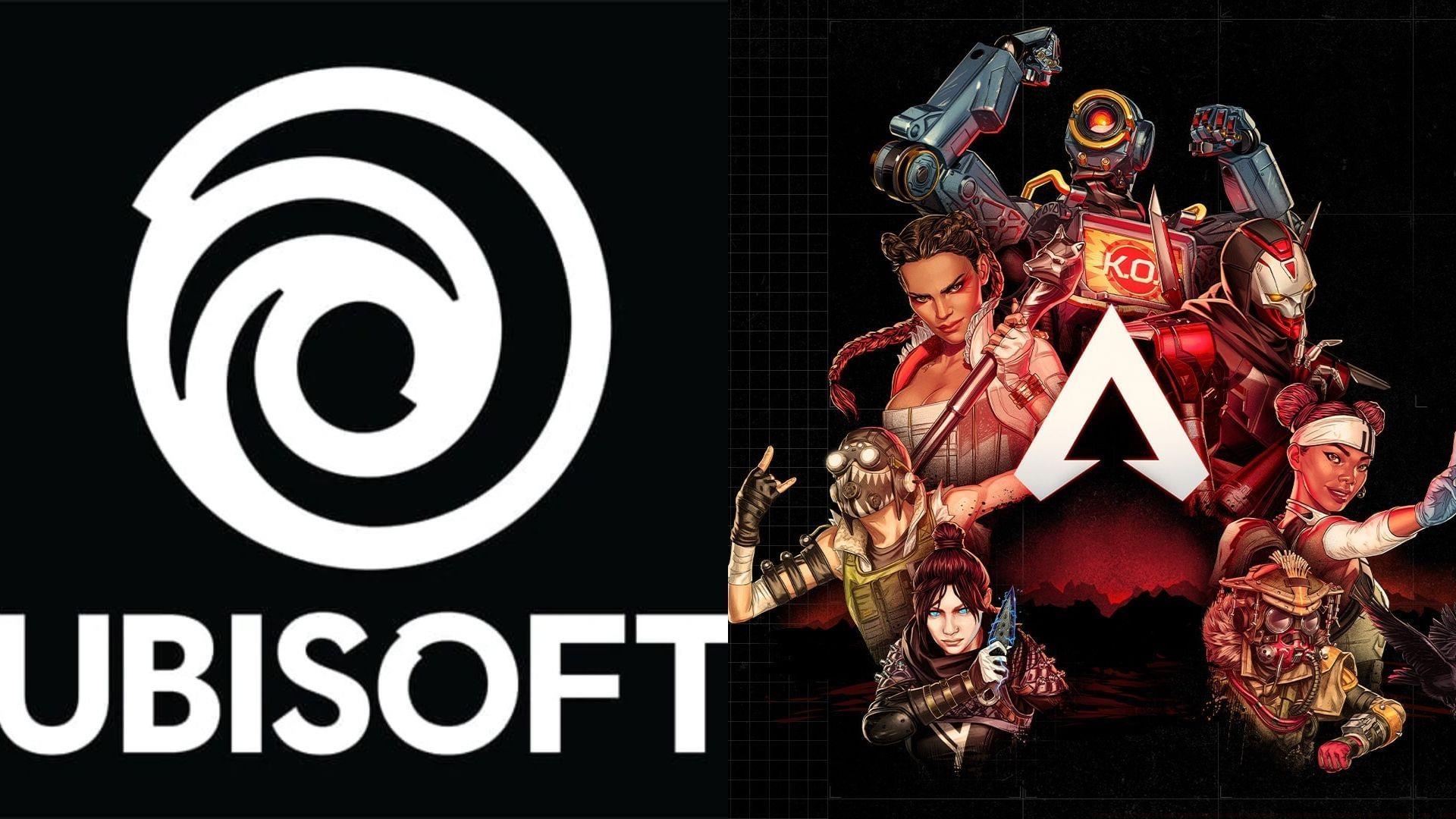
Ubisoft appears to be entering the hero-based Battle Royale arena with a project currently operating under the codename ‘Scout’. Insider Gaming reports indicate this title has been in active development for several years, with development teams studying Apex Legends’ mechanics extensively. The inspiration runs so deep that early internal presentations reportedly used Apex Legends assets as placeholder content during prototyping phases.
Industry analysts note that Scout represents Ubisoft’s third major attempt to capture the competitive shooter market following mixed results with previous titles. The extended development timeline suggests either meticulous refinement or significant technical challenges behind the scenes.
Strategic Intent: Capturing the Apex Legends Exodus
According to sources familiar with the project, Ubisoft’s primary strategy involves attracting players experiencing fatigue with existing battle royale offerings. The development team specifically aims to capture market share from Apex Legends during seasonal content lulls and meta shifts that typically drive player migration.
Scout will incorporate Ubisoft’s interpretation of hero characters similar to Apex Legends’ roster, with early prototypes featuring analogues to popular legends including Pathfinder, Lifeline, and Wraith. The hero shooter mechanics will blend traditional battle royale elements with character-specific abilities designed to create unique team composition strategies.
Market research suggests successful hero shooters require careful balance between character uniqueness and gameplay accessibility. Ubisoft’s challenge involves creating distinctive heroes without overwhelming new players with complex ability interactions that could create steep learning curves.
Ubisoft’s FPS Track Record: Lessons from Past Failures
Ubisoft’s history with first-person shooters reveals a pattern of ambitious projects facing market challenges. Hyperscape, their previous battle royale attempt launched in 2020, failed to maintain player engagement despite innovative movement mechanics and fast-paced combat. The title was discontinued within 18 months, highlighting the difficulties of entering an already saturated market.
More recently, XDefiant faced similar struggles despite leveraging popular Tom Clancy franchise elements. Both projects demonstrated Ubisoft’s technical capability but revealed gaps in understanding player retention dynamics within the competitive shooter space.
Industry observers note that successful live service games require not only solid launch execution but also robust post-launch content pipelines. Scout’s extended development may indicate Ubisoft is building the infrastructure necessary for sustained seasonal content updates rather than just focusing on initial release quality.
Corporate Restructuring: Tencent Partnership Impact
Ubisoft’s recent corporate moves signal significant changes in development resource allocation. The Tencent partnership represents one of the largest external investments in Western gaming, with approximately $1.25 billion committed to a new subsidiary structure. This subsidiary will oversee major franchises including Assassin’s Creed, Far Cry, and Rainbow Six Siege while potentially providing additional resources for projects like Scout.
The financial injection comes at a critical time for Ubisoft’s live service ambitions. While not directly funding Scout development, the partnership alleviates pressure on internal resources, allowing greater focus on competitive gaming projects. The reorganization may also facilitate knowledge sharing between Ubisoft’s established live service teams and the Scout development group.
Tencent’s extensive experience with games-as-a-service models in Asian markets could provide valuable insights for Scout’s monetization and retention strategies, though cultural and gameplay differences between markets remain significant challenges.
Future Outlook: Scout’s Development Trajectory
The development path for Scout remains uncertain but reveals Ubisoft’s persistent commitment to the battle royale genre. Despite previous setbacks, the company continues investing in competitive shooters, recognizing the massive revenue potential of successful live service titles. Industry sources suggest Scout may undergo significant redesigns based on market feedback and internal testing results.
Success factors for Scout will include distinguishing itself from established competitors while maintaining familiar enough mechanics to attract players. The hero shooter battle royale niche remains dominated by a few titles, suggesting room for innovation if executed properly.
Ubisoft’s approach appears focused on long-term market positioning rather than immediate returns. The extended development cycle, while risky, may result in a more polished product better equipped to compete in the demanding battle royale landscape where first impressions determine longevity.
No reproduction without permission:SeeYouSoon Game Club » Ubisoft is reportedly making an Apex Legends-like Battle Royale: Everything we know Ubisoft's new Apex Legends-inspired Battle Royale codenamed Scout aims to capture the hero shooter market