
TL;DR
- Master the lock-on targeting system for precise combat against multiple enemies
- Watch your fox’s head movements for hidden secrets and environmental cues
- Manage stamina carefully – running costs nothing but low stamina increases damage taken
- Learn enemy attack patterns through observation and create safe engagement windows
- Activate switches to unlock shortcuts and conserve resources between bonfires
While Tunic presents itself with charming visuals reminiscent of classic adventure games, it conceals a surprisingly demanding combat system that requires strategic thinking and precise execution. This deceptive difficulty curve means players must approach each encounter with careful planning rather than brute force tactics.

The game masterfully blends exploration elements from The Legend of Zelda with the punishing combat mechanics characteristic of Soulsborne titles. This hybrid approach creates a unique experience where environmental navigation and discovery coexist with methodical, pattern-based enemy encounters. New players often underestimate how quickly combat can turn lethal without proper preparation.
Tunic employs deliberate minimalism in its tutorial approach, dropping players directly into the world with minimal explicit guidance. Your fox protagonist awakens on a mysterious beach with no immediate explanation of controls or objectives, encouraging organic learning through experimentation. This design philosophy means early failures are not just possible but expected as part of the learning process.
Many beginners make the critical mistake of treating Tunic as a casual adventure game due to its aesthetic. However, the combat demands respect for enemy capabilities and environmental threats. Understanding that death serves as a learning tool rather than pure punishment is key to progressing effectively.
Effective combat in Tunic revolves around mastering the targeting system, which allows precise directional control of both attacks and evasive maneuvers. Unlike many action games where attacks automatically track enemies, Tunic requires deliberate aiming and positioning for successful engagements. This precision becomes particularly crucial when facing multiple adversaries with different attack patterns.
The dodge roll mechanic provides invincibility frames but consumes stamina, creating meaningful trade-offs between aggression and defense. Strategic stamina management separates novice players from experienced adventurers, as depleted stamina not only limits your options but also increases damage taken from enemy attacks.
Running, activated by holding the A button, provides a stamina-free movement option that many players overlook. This becomes invaluable for repositioning during difficult encounters or creating distance to safely use healing items. Unlike dodging, running never depletes your stamina bar, making it ideal for tactical retreats.
Enemy behavior follows predictable patterns that become readable with careful observation. Most foes telegraph their attacks through specific animations or sound cues, providing windows for both defense and counter-attacks. Learning these patterns transforms seemingly impossible encounters into manageable challenges.
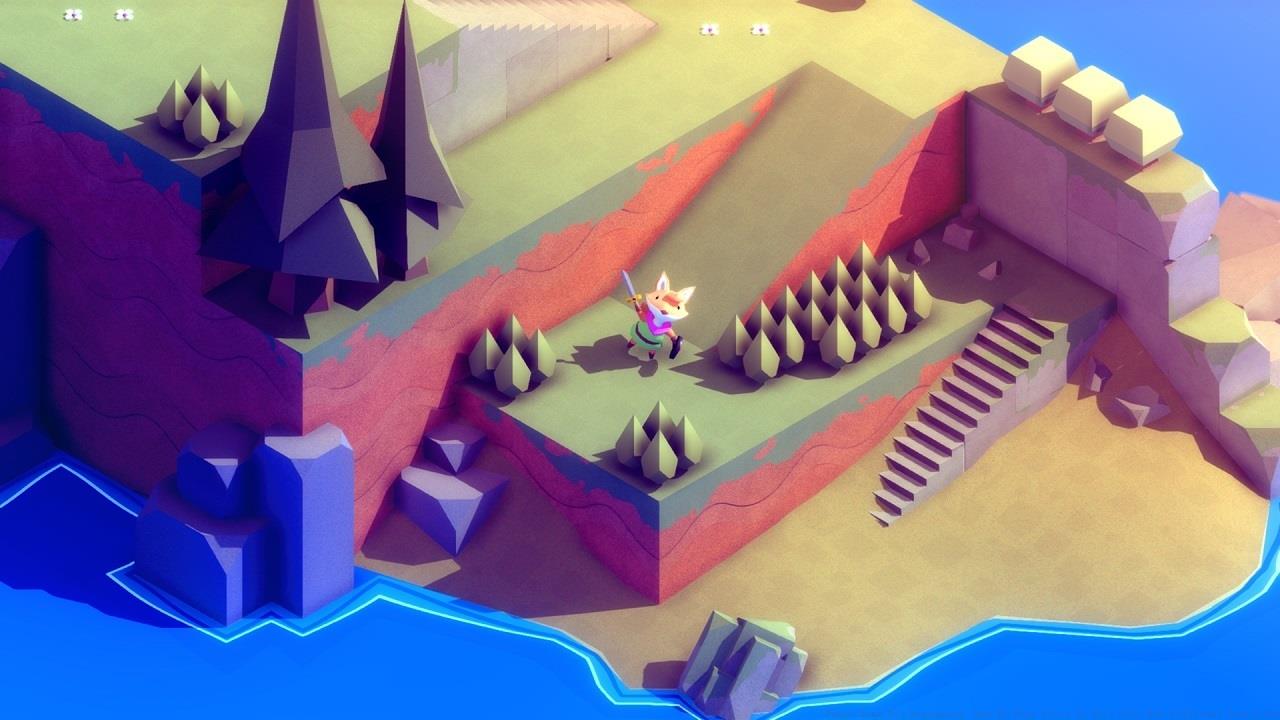
Advanced combat technique: Implement the ‘hit-and-run’ strategy against tougher enemies. Land one or two attacks, then immediately create distance to assess the situation. This conservative approach preserves health and stamina while gradually whittling down formidable opponents.
Your fox character provides subtle but invaluable navigation assistance through head movements that indicate points of interest. These visual cues range from obvious landmarks like cave entrances to easily missed secrets such as hidden passages behind foliage or concealed treasure chests. Developing awareness of these signals dramatically improves discovery rates.
Environmental interaction extends beyond obvious paths – destructible bushes and grass frequently conceal valuable items or alternative routes. Systematic clearing of vegetation not only reveals hidden content but also provides practice with combat mechanics in relatively low-risk situations.
The world contains numerous switches that, when activated, alter the environment to create new pathways or shortcuts. These mechanisms serve dual purposes: they enable progression to new areas while also providing time-saving routes back to previously explored locations. Recognizing and utilizing these switches significantly reduces backtracking time.
Common exploration mistake: Rushing through areas without methodical investigation. Many players miss crucial upgrades and resources by focusing solely on apparent main paths. Allocate time for thorough area exploration before moving forward.
Time optimization tip: Dedicate 15-20 minutes per new area for comprehensive exploration. This investment typically yields health upgrades, currency, or equipment that dramatically improves survivability in subsequent challenges.
Bonfires function as Tunic’s checkpoint system, restoring health and replenishing healing items while respawning all defeated enemies. This mechanic creates strategic tension between exploration progress and resource management, as venturing too far from safety can leave you stranded without recovery options.
The reset nature of bonfires means grinding enemies for permanent progression isn’t viable. Instead, success depends on mastering enemy patterns and environmental navigation to consistently reach the next checkpoint with sufficient resources.
Pro tip: Before activating a bonfire, exhaust nearby exploration opportunities. Since resting respawns enemies, thoroughly investigate the surrounding area while it remains cleared to maximize resource collection.
Resource conservation becomes paramount between bonfires. Avoid unnecessary combat when possible, and prioritize encounters that block essential pathways or contain valuable rewards. This selective engagement conserves health and stamina for unavoidable challenges.
Progression cadence: Tunic follows the ‘two steps forward, one step back’ design philosophy common to soulslikes. Expect to revisit areas multiple times as your understanding of game mechanics deepens and new abilities unlock previously inaccessible locations.
Emergency strategy: When critically low on health with no bonfire in sight, prioritize finding the nearest shortcut switch. These often provide faster return routes to safety than backtracking through enemy-filled paths.
Action Checklist
- Practice lock-on targeting against single enemies before engaging groups
- Clear all destructible vegetation in each new area for hidden items
- Master enemy pattern recognition by observing without attacking for 2-3 encounters
- Activate all discovered switches to unlock shortcuts
- Implement hit-and-run tactics against elite enemies to conserve resources
No reproduction without permission:SeeYouSoon Game Club » Tunic Tips for Beginners: How To Stay Alive In This Cute But Difficult Soulslike Master Tunic's challenging gameplay with essential combat strategies, exploration tips, and survival techniques