
Mastering fluid parkour combat and roguelite progression in The Rogue Prince of Persia
Introduction: A Fresh Take on Classic Platforming
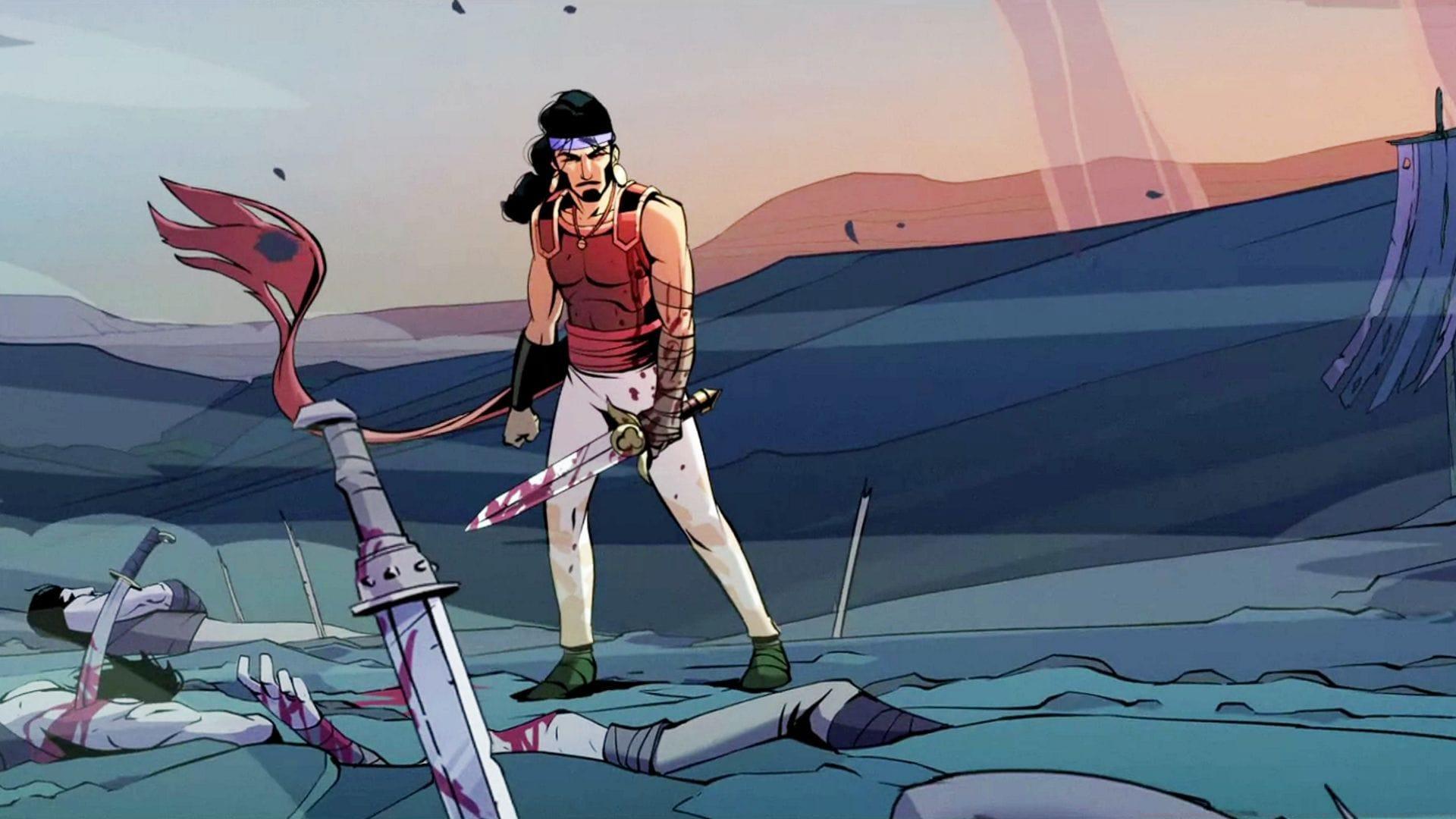
Having cherished the iconic Prince of Persia trilogy for years, I found myself captivated by The Rogue Prince of Persia‘s innovative direction. This installment returns to the series’ platforming origins while ingeniously blending roguelite mechanics with sophisticated movement systems that redefine traversal combat.
After experiencing Ubisoft Montpellier’s exceptional Metroidvania offering, Prince of Persia The Lost Crown, earlier this year, I was impressed by how this new title elevates movement mechanics through superior combat integration and meticulously crafted level design that encourages creative navigation.
Precision Parkour: Movement Mastery
The Rogue Prince of Persia distills parkour to four essential maneuvers: jump, dash, vault, and wall run. While this may seem limited compared to modern action games, the depth emerges from how these elements synergize during intense combat encounters and environmental navigation.
Mastering the timing between consecutive wall runs and precision vaults becomes crucial for evading enemy attacks while positioning yourself for counter-offensives. Many players underestimate the strategic value of proper dash timing – using it too early leaves you vulnerable, while late activation results in taking unnecessary damage.
The environmental wall-running mechanics introduce vertical combat dimensions rarely seen in 2D platformers. During boss encounters, I discovered that alternating between foreground and background wall runs could create openings that ground-based combat couldn’t achieve. This spatial awareness separates novice players from masters.
Controller usage is indeed recommended for smoother input execution, but keyboard players can achieve similar proficiency through key rebinding and practice. I found mapping dash to a easily accessible key and dedicating separate fingers to jump and vault significantly improved my reaction times during chaotic encounters.
Dynamic Combat: Weapons and Strategy
The combat framework in The Rogue Prince of Persia represents one of its strongest assets, featuring a primary weapon with special attack capabilities complemented by secondary tools consuming energy resources. The weapon diversity ensures that each run feels distinct, with different armaments favoring specific playstyles and medallion combinations.
The environmental kicking mechanic deserves particular attention – while it doesn’t deal direct damage, strategic displacement can create chain reactions. Kicking enemies into environmental hazards or off platforms often proves more effective than direct combat, especially when overwhelmed. This tactical layer adds depth beyond simple damage numbers.
Medallions provide progressive power scaling throughout runs, with stacking effects that can create devastating combinations. However, new players often make the mistake of collecting every medallion without considering synergy. I learned to prioritize medallions that complemented my chosen weapon’s attack patterns and my preferred parkour approach.
Advanced players should experiment with medallion combinations that enhance specific movement techniques. For instance, pairing wall-run damage boosts with aerial attack enhancements creates a hit-and-run playstyle that maximizes environmental advantages while minimizing direct confrontation risks.
Roguelite Progression: The Core Loop
The Rogue Prince of Persia establishes an engaging progression cycle where each failed run contributes to long-term advancement through collected Soul Cinders, Gold, and Corrupted Blood. These permanent resources unlock new weapons, cosmetic outfits, and gameplay-altering items that expand strategic possibilities.
The narrative unfolds gradually across multiple attempts, with each run revealing additional story elements and unlocking new regions. While the storyline follows a linear structure compared to classic PoP titles, the environmental storytelling and character interactions during subsequent playthroughs provide compelling reasons to continue exploring.
Many players struggle initially with resource allocation – I recommend prioritizing weapon unlocks that match your preferred combat style before investing in cosmetic items. The Corrupted Blood system introduces risk-reward decisions about how deep to push each run versus banking resources for permanent upgrades.
During my playthrough, I discovered that methodical exploration during early runs yielded better long-term results than rushing toward objectives. Completing NPC side quests often provides unique medallions and weapons that significantly enhance future run potential.
Smart Navigation: World and Mind Maps
Where many roguelites falter in providing clear direction, The Rogue Prince of Persia excels through its sophisticated mapping systems. The World Map clearly indicates completed objectives, available content, and progression requirements, eliminating the aimless wandering that plagues lesser entries in the genre.
The Mind Map represents an innovative approach to quest tracking, visually connecting narrative threads, character relationships, and location dependencies. This system helps players understand how side content interconnects and which objectives will unlock additional story pathways.
Pro tip: Regularly consult both maps between runs to plan your next attempt’s route efficiently. I developed a strategy of targeting clusters of related objectives in single runs, which minimized backtracking and maximized progression efficiency.
Advanced players should pay attention to the subtle visual cues on the World Map that indicate hidden areas and secret passages. These often contain valuable resources or unique medallions that can dramatically alter run potential.
Artistic Presentation: Visuals and Audio
The visual design of The Rogue Prince of Persia masterfully captures the war-torn atmosphere of Ctesiphon while maintaining distinct aesthetic identities across diverse environments. Each biome features unique architectural elements and color palettes that prevent visual monotony across repeated runs.
Danny Asadi’s exceptional Persian-inspired musical score deserves special recognition for elevating every moment of the journey. The soundtrack dynamically responds to gameplay situations, intensifying during combat encounters and providing atmospheric ambiance during exploration sequences.
The audio design extends beyond the soundtrack, with precise sound effects that provide crucial gameplay feedback. The subtle audio cues for successful parries, environmental interactions, and enemy attacks become invaluable once players learn to recognize them.
For the optimal experience, I recommend playing with quality headphones to fully appreciate the spatial audio design that helps locate off-screen enemies and environmental hazards through sound alone.
Value Assessment: Price vs Experience
At $29.99, The Rogue Prince of Persia occupies an interesting price positioning within the current gaming landscape. While the main story completes in approximately 12 hours, the roguelite structure and weapon variety provide substantial replay value beyond the initial playthrough.
The game delivers exceptional value for franchise enthusiasts and roguelite aficionados who appreciate mastering complex movement systems and experimenting with diverse build combinations. However, players seeking narrative depth comparable to the Sands of Time trilogy might find the linear storyline somewhat disappointing.
For newcomers to the genre, I recommend approaching this as a movement-focused combat experience rather than a story-driven adventure. The satisfaction comes from mastering the parkour mechanics and developing personal strategies that leverage the game’s sophisticated systems.
Reviewed on: PC (Key provided by Ubisoft)
Platforms: PC, PS5, Xbox Series X|S, Nintendo Switch
Developer: Evil Empire
Release date: August 20, 2025
No reproduction without permission:SeeYouSoon Game Club » The Rogue Prince of Persia Review: A nostalgic leap with a roguelite twist Mastering fluid parkour combat and roguelite progression in The Rogue Prince of Persia