
Exploring Wuchang: Fallen Feathers’ unique Eastern fantasy world, combat innovations, and cultural inspirations
Introduction to Wuchang: Fallen Feathers
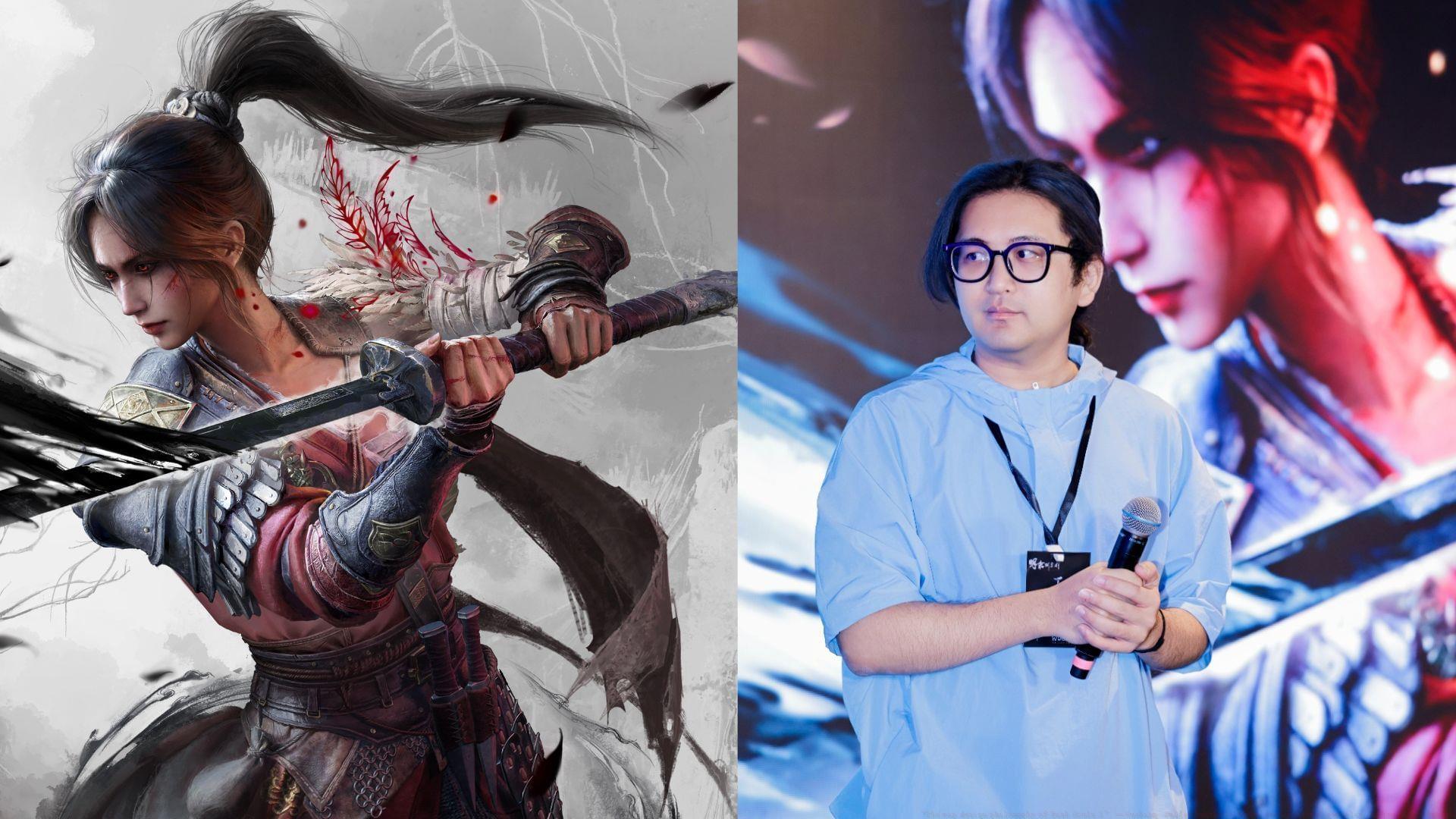
As the July 24, 2025 release date approaches, Wuchang: Fallen Feathers has emerged as a significant talking point within the Souls-like gaming community. Following the groundbreaking success of Black Myth Wukong, there’s growing demand from Asian audiences for games that authentically represent their cultural heritage and mythological traditions. Wuchang: Fallen Feathers stands poised to embrace this responsibility and chart a new course for culturally-grounded action RPGs.
Pro Tip: For players new to Souls-likes, focus on mastering parry timing and environmental awareness—these skills will be crucial in Wuchang’s faster-paced combat system.
Game Design Philosophy and Innovations
Q: What differentiates Wuchang: Fallen Feathers from other Souls-like games on the market, given the increasing popularity of the genre?
Mr. Xia Siyuan of Leenzee Games answered our question about Wuchang: Fallen Feather’s unique approach:
Our initial design philosophy drew inspiration from Dark Souls 1’s interconnected world structure, focusing on creating hub-based, semi-open environments that enable bidirectional exploration of identical areas. This architectural approach ensures that individual players can experience completely distinct navigation paths through the same game spaces.
Regarding combat mechanics, we engineered a unified system that seamlessly integrates encounters with both colossal creatures and humanoid adversaries. The combat emphasizes interactive, reciprocal dynamics rather than disjointed attack sequences. This foundational concept evolved into the distinctive combat rhythm and assault patterns organized around the central ‘Feathering’ mechanic.
While most Souls-like titles heavily incorporate Western fantasy visual elements, Wuchang intentionally diverges stylistically by employing visual narrative techniques and thematic elements deeply embedded in Eastern fantasy traditions. We’re confident this provides a novel experience for genre veterans.
Common Mistake to Avoid: Don’t approach Wuchang’s combat like traditional Souls games—the faster pace requires more aggressive positioning and quicker reaction times.
Historical Foundations and Creative Liberties
Q: Wuchang: Fallen Feathers is set in the late Ming Dynasty. How much historical accuracy can players expect, and where did you take creative liberties to incorporate fantasy elements?
Leenzee: We committed to accurately reproducing the cultural and environmental attributes characteristic of the Ming Dynasty period. For historical personalities featured within the game, we maintained maximum consistency with established academic historical interpretations while simultaneously developing them as multidimensional, relatable characters.
The game’s universe actually exists within a parallel reality where a slight historical divergence during Du Yu’s era created an alternative historical pathway. Within this alternate existence, veneration of avian entities and resurrection mythology have become foundational beliefs. Gamers commence their journey in a modest Ming-period settlement and traverse through dramatically varied ecological zones—woodlands, Taoist sanctuaries, glacial peaks—eventually reaching the archaic Sanxingdui remnants where they reveal the fundamental truths of this universe.
Historical Context Tip: Research Ming Dynasty architecture and clothing styles to better appreciate the environmental details and character designs throughout the game.
Cultural Inspirations and Artistic Vision
Q: Building on that, Wuchang: Fallen Feathers’s art direction draws deeply from Ming Dynasty-era Chinese folklore—a bold departure from the usual European high fantasy or post-apocalyptic fare of Souls-likes. What inspired this distinct cultural and aesthetic shift?
Leenzee: Cultural landmarks and legends from Sichuan province—including Jiangkou submerged treasure, the Four Loyal Sons narrative, Sanxingdui archaeological site, Jinsha ruins, Taoping Qiang settlement, and Baoyun Temple in Pingwu—embody the collective memories and upbringing experiences of our development team.
We incorporated influences from indigenous traditions such as Sanxingdui artifacts, Sichuan opera’s face-changing performances, and the datiehua iron fireworks ceremony, combined with Ming-era philosophical systems—Confucian principles, Buddhist teachings, and Taoist doctrines—alongside the technological advancement of firearm technology during that historical period. We’ve intricately embedded these diverse elements throughout the game’s mechanical systems.
Our aspiration is that these components not only encapsulate historical authenticity but also enable players to immerse themselves in the region’s distinctive cultural depth. For our team, disseminating these memories and narratives to broader audiences carries intrinsic significance—and we anticipate they will connect profoundly with numerous players.
Cultural Appreciation Tip: Watch videos of Sichuan opera face-changing performances to understand the visual inspiration for some of the game’s most stunning visual effects.
Audio Design and Combat Mechanics
Q: From the trailers and gameplay videos, fans have really appreciated the soundtrack of Wuchang: Fallen Feathers. Can you tell us more about the soundtrack and how it enhances the gameplay elements?
Leenzee: The original musical score fulfills dual purposes: firstly, it delicately or progressively shapes the player’s emotional state to elevate the comprehensive gaming encounter; secondly, it must harmonize with the game’s cosmological framework and express the thematic elements and narratives of specific regions or characters, thereby stimulating more profound contemplation and analysis from the participant.
Q: Wuchang: Fallen Feathers’s combat clearly favors speed and aggression over the usual deliberate pace of Souls-like games. What inspired this shift toward a faster, more action-driven style instead of sticking to the genre’s traditional, methodical combat?
Leenzee: We pursued groundbreaking innovation within the action framework, enabling participants to engage with battle mechanics that feel entirely distinct from other genre entries. While combat tempo represents one dimension of our system, our more profound objective involves motivating players to investigate superior approaches across the entire game—whether through features like unrestricted respecification or testing diverse armaments and gameplay methodologies to identify optimal personal preferences.
Advanced Strategy: Master the ‘Feathering’ mechanic early—it’s not just for show but fundamentally changes how you approach enemy encounters and environmental navigation.
Future Plans and Player Engagement
Q: Wuchang has firmly planted itself on the radar of Souls-like and RPG fans alike. But as a debut from a relatively new studio, what are the hopes — or perhaps bold expectations — when it comes to player reception?
Leenzee: Prior to this launch, we’ve conducted multiple in-person demonstration events. We enthusiastically anticipate receiving critiques from gamers possessing varied viewpoints—this feedback proves immensely beneficial for our team’s sustained evolution and developmental progress.
Q: Could we see Wuchang spreading her wings onto the Switch 2, bringing the experience to handheld adventurers everywhere in the future?
Leenzee: Currently, we remain concentrated on project completion, but conversations regarding supplementary platforms would necessitate coordination with our publishing partners. From the development standpoint, however, we definitely remain receptive—particularly considering that numerous team members personally engage with handheld gaming systems, including the Switch platform.
Q: Lastly, what post-launch content, if any, are you considering (e.g., DLC expansions, boss-rush modes)?
Leenzee: Presently, the development group remains focused on finalizing the primary game experience. During earlier hands-on sessions, participants passionately provided abundant recommendations—encompassing boss challenge modes, photographic functionality, celestial chart preservation interfaces, and additional features. After we conclude the main game development, we’ll meticulously evaluate update strategies and prospective downloadable content.
Wuchang: Fallen Feathers prepares to narrate Bai Wuchang’s epic journey commencing July 24, 2025. Monitor Sportskeeda Gaming’s comprehensive evaluation to discover our perspective on this forthcoming Souls-like expedition.
Community Engagement Tip: Participate in official forums and social media channels—the developers have shown they actively listen to player feedback for future content planning.
No reproduction without permission:SeeYouSoon Game Club » “The map design philosophy of Dark Souls 1” — Wuchang: Fallen Feathers dev on inspirations, gameplay, and more (Exclusive) Exploring Wuchang: Fallen Feathers' unique Eastern fantasy world, combat innovations, and cultural inspirations