
Essential early-game strategies for mastering The King is Watching’s unique gaze-based kingdom management mechanics
Understanding the Core Gaze Mechanics
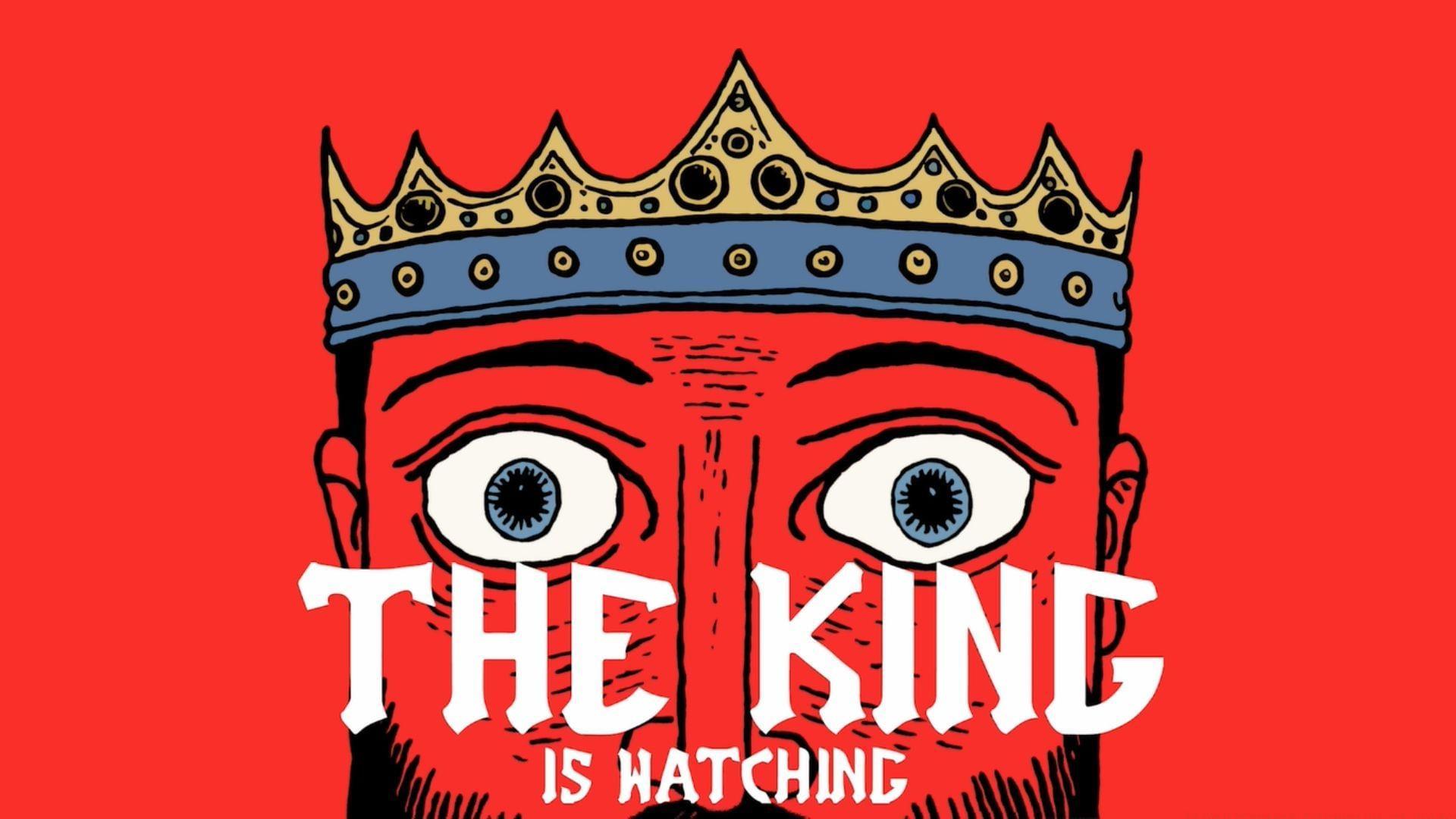
The King is Watching revolutionizes kingdom-building with its innovative gaze-based mechanics where your direct attention literally powers productivity. Subjects remain productive only within your visual field, creating a unique resource management challenge that demands strategic vision planning. This core mechanic transforms traditional city-building into a dynamic attention-management simulation.
Your gaze field starts limited but can expand up to six tiles through systematic upgrades. Each expansion requires specific resources that become available as you progress. The upgrade interface sits conveniently above the Morale Indicator, providing clear visibility of your current capabilities and next requirements. Prioritizing gaze expansion early significantly boosts your kingdom’s simultaneous production capacity.
Military Strategy and Unit Management
Kingdom development inevitably attracts hostile forces seeking to disrupt your progress. Diverse enemy types including ground troops, aerial units, and specialized attackers will test your defenses regularly. Building a versatile military force becomes essential for long-term survival.
Initial gameplay lacks military presence, requiring careful troop development. The deployment interface adjacent to your gaze controls allows strategic placement choices between barracks training and immediate battlefield engagement. Early game success hinges on understanding these deployment options and their tactical implications.
During initial stages, concentrate exclusively on barracks-based troop training. Newly recruited units possess limited combat capabilities and will suffer rapid defeat in direct confrontation. The barracks provides essential protection during this vulnerable development phase. Gradually increase barracks quantity while coordinating mass deployments for overwhelming offensive advantages.
Pro Tip: Should you try out Hades in 2025?
Your military requires diverse unit types including Peasants for basic defense, Mages for magical support, Hunters for ranged attacks, and Swordsmen for frontline combat. Each unit type originates from specialized production facilities with individual capacity limits. Understanding these limitations prevents resource waste and optimizes production cycles.
Production buildings reach maximum capacity at predetermined thresholds. Once saturated, continuous gaze attention becomes unnecessary until additional units are required. This allows strategic attention reallocation to other critical areas of your developing kingdom.
Castle Defense and Resource Management
Castle durability ranges from 100 to 200+ hit points depending on upgrade investments. Early game focus should prioritize economic development over excessive HP concerns. Strategic HP management often proves more valuable than maximum fortification.
Wallbreaker enemies present unique tactical challenges by bypassing your military forces to assault the Castle directly. These specialized attackers ignore your troops entirely, creating scenarios where your army eliminates threats while the Castle absorbs minimal damage. This intentional HP reduction can be strategically advantageous when managed properly.
View Castle HP as a renewable resource rather than absolute protection. Temporary HP reduction during Wallbreaker attacks is acceptable since regeneration mechanisms restore integrity between assaults. This understanding transforms defensive planning from preservation mindset to strategic resource allocation.
Advanced Strategy: Hell Clock review: Racing the clock never felt so good
Building relocation incurs temporary production penalties measured in halted output duration. These interruptions typically span brief periods that minimally impact overall productivity. The strategic benefits of optimized building placement far outweigh these temporary inconveniences.
Don’t hesitate to reorganize your kingdom layout when tactical advantages emerge. Even simultaneous building swaps causing dual production pauses provide long-term efficiency gains that quickly offset short-term disruptions. Optimal positioning improves workflow and resource gathering substantially.
Advanced Optimization Techniques
Mastering The King is Watching requires implementing these foundational strategies during early gameplay phases. You’ll encounter increasingly challenging enemy compositions as progression continues. Resource optimization and strategic decision-making determine your Castle’s endurance against escalating threats.
Advanced players should develop gaze cycling routines that systematically shift attention between production facilities based on current resource needs and military requirements. This dynamic attention management maximizes overall productivity while minimizing resource bottlenecks.
Establish building placement patterns that facilitate efficient gaze pathways, reducing the need for constant camera movement. Cluster related production facilities together to create specialized districts that can be monitored with minimal gaze adjustment.
Monitor production building capacity closely and develop intuition for when to shift gaze focus. The most successful players maintain mental maps of their kingdom’s production status and anticipate needs before bottlenecks occur.
No reproduction without permission:SeeYouSoon Game Club » The King is Watching guide: Best beginner tips and strategies Essential early-game strategies for mastering The King is Watching's unique gaze-based kingdom management mechanics