
A comprehensive analysis of Take-Two’s DMCA actions against VR mods, exploring legal implications, community impact, and future strategies.
The DMCA Showdown: Take-Two Targets VR Modding Community
The gaming landscape witnessed a significant clash in July 2024 as publishing giant Take-Two Interactive flexed its legal muscle against the virtual reality modding community. A series of Digital Millennium Copyright Act (DMCA) takedown notices were dispatched, directly targeting popular VR modifications for flagship titles like Grand Theft Auto V, Red Dead Redemption 2, and the Mafia series. This move sent shockwaves through a dedicated community of creators and players, forcing modders to reassess the viability of their passion projects and raising urgent questions about the future of game modification.
The legal confrontation represents a pivotal moment in the ongoing tension between corporate copyright enforcement and fan-driven content creation.
For years, the VR modding scene surrounding Take-Two’s expansive open-world games has flourished, driven by enthusiasts seeking deeper immersion. These modders have successfully translated flat-screen experiences into fully realized virtual reality environments, offering players novel ways to explore Los Santos, the American frontier, and organized crime narratives. The community’s work has extended the lifespan and appeal of these titles long after their initial release. However, the July 6th DMCA requests, demanding the complete removal of these modifications, introduced a formidable barrier that threatens to dismantle years of collaborative effort and innovation.
Luke Ross’s Stance and the Core Legal Argument
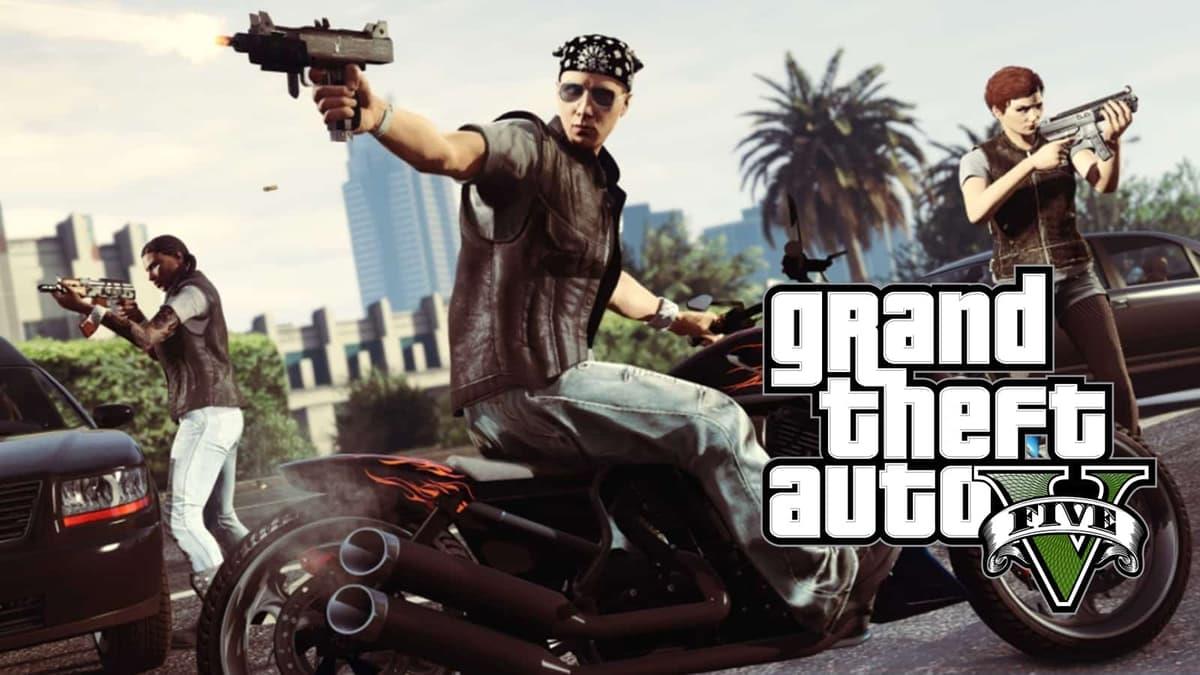 Rockstar Games
The DMCA notices specifically targeted mods distributed via platforms like Patreon, cutting off a key revenue stream for creators. Central to this dispute is VR modder Luke Ross, who publicly disclosed receiving a takedown notice covering his modifications for GTA V (codenamed GTA), Red Dead Redemption 2 (REDER2), and Mafia. On his Patreon page, Ross outlined a defense grounded in the originality of his work. He asserted that his mods constitute “original pieces of software” built from scratch—they do not incorporate or repackage Take-Two’s proprietary code, assets, or intellectual property. Instead, they act as an external layer that interfaces with the existing game to render its world in VR, fundamentally transforming the user experience.
Ross’s argument hinges on a critical distinction in copyright law: the difference between creating a derivative work (which may infringe) and creating a complementary, transformative tool. He emphasized that his modifications are not designed to replace Take-Two’s games nor to provide unauthorized access to them; users must still legally purchase the base games. His Patreon statement conveyed both defiance and resignation: “I refuse to believe that is what Take-Two Interactive Software, Inc. wants because that would be an extremely anti-customer and anti-gamer move on their part. But I am not getting into a legal battle with them.” This highlights the asymmetric power dynamic where individual creators lack the resources to challenge corporate legal teams, even when they believe their position is sound.
Navigating the Legal Gray Area of Game Modifications
This incident illuminates the persistently murky legal territory surrounding game modifications. While some companies embrace modding communities as sources of free innovation and prolonged engagement (like Bethesda with Skyrim or Valve with Steam Workshop), others adopt a more protective stance. Take-Two’s action suggests a zero-tolerance policy towards mods that potentially affect the commercial value of their IP or, speculatively, future official VR products. A common mistake modders make is assuming “non-commercial” or “transformative” automatically equals “legal.” The legality often depends on the End User License Agreement (EULA), which typically grants the publisher broad discretion to prohibit any software that interacts with their game.
From a practical standpoint, Ross’s admission of having “no history in dealing with DMCA notices” is a significant vulnerability. The DMCA process favors the claimant, and challenging a notice requires specific legal knowledge and a counter-notification that risks exposing the respondent to a lawsuit. For modders, optimization tips include: never distributing actual game assets, clearly documenting the original code in your mod, and avoiding monetization models that can be construed as selling access to the copyrighted game. The most advanced strategy is to operate in a purely educational capacity, releasing tools and tutorials instead of pre-packaged mods, though this is less accessible to end-users.
The community’s next steps are fraught with uncertainty. Some may attempt to redistribute mods via more decentralized, less traceable methods, though this carries its own risks. Others might seek explicit permission, a path rarely successful with major publishers. The most likely outcome is a chilling effect, where potential creators are deterred from investing time in projects for Take-Two titles, ultimately reducing the diversity of player experiences available. The situation awaits possible clarification from Take-Two, but history suggests publishers rarely provide detailed public rationales for such enforcement actions, leaving the community to read between the lines of corporate policy.
No reproduction without permission:SeeYouSoon Game Club » Take-Two launches DMCA to stop VR mods for GTA 5, Red Dead & Mafia A comprehensive analysis of Take-Two's DMCA actions against VR mods, exploring legal implications, community impact, and future strategies.