
Sony sues Tencent over alleged Horizon Zero Dawn copyright infringement in Light of Motiram game
The Copyright Showdown: Sony vs. Tencent
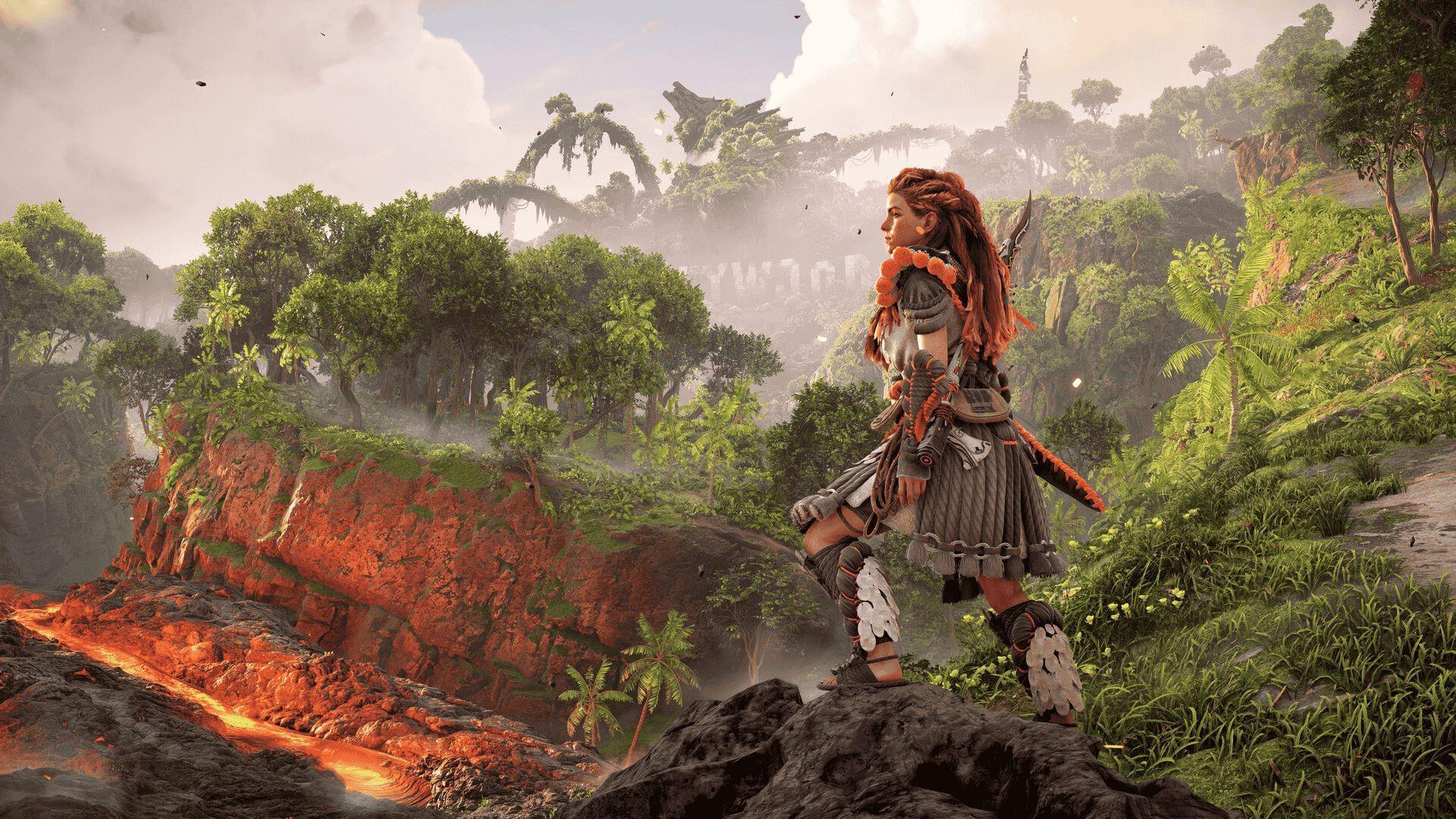
Sony Interactive Entertainment has initiated legal proceedings against Tencent Holdings in a significant copyright infringement case that’s sending shockwaves through the gaming industry. Filed in California federal court, the lawsuit centers on Tencent’s upcoming title Light of Motiram, which Sony alleges bears striking resemblance to their acclaimed Horizon Zero Dawn franchise. The timing is particularly notable since Light of Motiram remains unreleased, suggesting Sony moved preemptively based on promotional materials and early demonstrations.
For those seeking entertainment alternatives during this legal drama, consider exploring NYT Mini Crossword Answers, LA Times Crossword Answers, or Atlantic Crossword Answers for engaging puzzle challenges.
Sony’s legal team contends that Tencent’s Polaris Quest development studio has replicated multiple distinctive elements from Horizon Zero Dawn, including combat mechanics, environmental design principles, narrative structure, and character development systems. The complaint specifically highlights how both games feature protagonist-driven narratives set in post-apocalyptic worlds where nature has reclaimed civilization amid advanced technological remnants.
Comparing Horizon Zero Dawn and Light of Motiram
The original Horizon Zero Dawn launched in 2017 exclusively for PlayStation 4, establishing a new benchmark for open-world action RPGs. Its sequel, Horizon Forbidden West, continued the tradition in 2022 across both PlayStation 4 and PlayStation 5 platforms, maintaining the distinctive visual aesthetic that became the series’ trademark. Both titles feature lush, vibrant environments contrasting with mechanical creatures, creating a unique visual language that Sony claims Tencent has appropriated.
What makes Horizon Zero Dawn particularly distinctive is its memorable protagonist Aloy, characterized by her red hair and tribal background, navigating a world where robotic animals dominate the landscape. Sony’s legal filing argues that Light of Motiram replicates this exact character archetype and environmental dynamic, including similar tribal society structures and mechanized wildlife encounters. The parallels extend to specific gameplay systems like the focus scanner mechanic and weapon crafting approaches.
Industry analysts note that Tencent previously approached Sony about collaborating on an official Horizon series adaptation, but negotiations collapsed when Sony declined the partnership offer. Shortly thereafter, Tencent announced Light of Motiram through its Polaris Quest subsidiary, triggering immediate concern within Sony’s intellectual property protection team. This sequence of events suggests the lawsuit represents a strategic response to what Sony perceives as derivative development following failed collaboration talks.
Legal Strategy and Industry Implications
Sony’s legal action pursues multiple objectives, primarily seeking an injunction to prevent Light of Motiram’s commercial release entirely. The company is also pursuing substantial financial damages, though the specific compensation amount remains undisclosed in public court documents. Additionally, Sony requests the court to prohibit Tencent from any further utilization of intellectual property elements that resemble Horizon series content, effectively creating a protective barrier around their creative assets.
This case unfolds against a backdrop of increasing copyright litigation in the gaming sector, where the line between inspiration and infringement grows increasingly blurred. Recent high-profile cases include NetEase’s $900 million lawsuit regarding Marvel Rivals and Valve’s cease and desist actions against CS Legacy. These precedents demonstrate how publishers are becoming more aggressive in protecting their lucrative intellectual property portfolios from perceived imitators.
Legal experts suggest Sony’s preemptive strike before Light of Motiram’s release represents a calculated risk. By acting early, they avoid potential market confusion and brand dilution, but they also face the challenge of proving infringement based on limited publicly available information about Tencent’s unreleased game. The outcome could establish important legal precedents for how courts evaluate similarity claims between unreleased and established gaming titles.
What This Means for Gamers and Developers
For the gaming community, this legal confrontation raises important questions about innovation versus imitation in game development. While players might initially benefit from more games in popular genres, excessive similarity could ultimately stifle creativity and reduce variety. Consumers should monitor how this case affects release schedules and whether it prompts broader industry reflection on derivative content.
Developers should take note of several critical lessons from this situation. First, maintaining clear documentation of original creative processes becomes crucial when similarity accusations arise. Second, understanding the legal boundaries between homage and infringement can prevent costly litigation. Third, establishing transparent communication during collaboration attempts helps avoid misunderstandings that might lead to legal disputes.
Tencent has not yet issued an official statement regarding the allegations. Those interested in following the case progression can reference Sony Interactive Entertainment LLC v. Tencent Holdings Ltd, case number 3:25-cv-06275, through California’s federal court records system. The gaming industry watches closely as this case could redefine how intellectual property protection applies to game mechanics and artistic styles, potentially affecting development practices worldwide.
Related legal coverage in gaming:
- Marvel Rivals developing studio is being sued for $900M, NetEase replies to the lawsuit
- Is CS Legacy shutting down? Everything about Valve’s cease and desist situation explained
- Activision is winding down Warzone Mobile after a year of its launch
No reproduction without permission:SeeYouSoon Game Club » Sony sues Tencent over allegedly copying Horizon Zero Dawn Sony sues Tencent over alleged Horizon Zero Dawn copyright infringement in Light of Motiram game