
TL;DR
- Strategic Kelvin management prevents unnecessary babysitting during exploration
- Advanced food preservation and cooking techniques maximize nutritional efficiency
- Strategic river navigation provides safe travel routes to key locations
- Essential crafting prioritizes light sources and basic survival tools
- Defensive combat strategies prioritize survival over aggressive engagement
Mastering companion management represents one of the most critical survival skills in Sons of the Forest. Your initial encounter with Kelvin, the hearing-impaired soldier from the helicopter crash, requires strategic thinking rather than immediate reliance.
In Sons of the Forest, players confront brutal wilderness conditions, explore treacherous underground systems, and engage relentless hostile forces. Maintaining situational awareness and strategic planning becomes essential for progressing through the game’s challenges. This comprehensive survival manual delivers actionable strategies designed to significantly improve your character’s longevity.
Kelvin accompanies you following the helicopter disaster but suffers from severe hearing damage that restricts communication to written instructions only.
While having an AI companion initially seems advantageous, Kelvin presents substantial operational limitations. He cannot wield weapons or participate in combat encounters. His primary function involves gathering resources—tasks you typically perform independently. More critically, he frequently attracts enemy attention, forcing you into constant protective duties that divert from core survival objectives.

Strategic Kelvin positioning prevents unnecessary combat distractions and resource diversion.
Consequently, one of the most effective survival techniques involves establishing Kelvin at a secure base location. Assign him construction tasks to support your operations, but avoid bringing him on extended exploration missions where his limitations become liabilities.
Your continued existence in Sons of the Forest hinges on mastering three interconnected survival systems. Each requires distinct strategies and constant monitoring:
- Thirst Management – Ensure your character’s hands remain empty, then target clean water sources like streams or lakes to initiate drinking actions. Advanced technique: Collect water in containers during exploration to maintain hydration during cave expeditions.
- Hunger Control Systems – Consume berries directly for quick nutrition. Pursue wildlife including rabbits, squirrels, and deer for substantial sustenance. Cook meat immediately using fire sources to prevent spoilage—uncooked meat deteriorates within two in-game days. Alternative approach: Locate Canned Food supplies and pair with the Can Opener tool, enabling consumption of preserved rations for hunger satisfaction.
- Environmental Adaptation – Your protagonist remains vulnerable to hypothermia and moisture exposure, which temporarily reduces maximum stamina capacity. Initial solution: Construct basic fires by arranging sticks on terrain and igniting with your lighter. Secondary development: Fabricate torches by merging sticks with cloth fragments for mobile illumination and warmth.
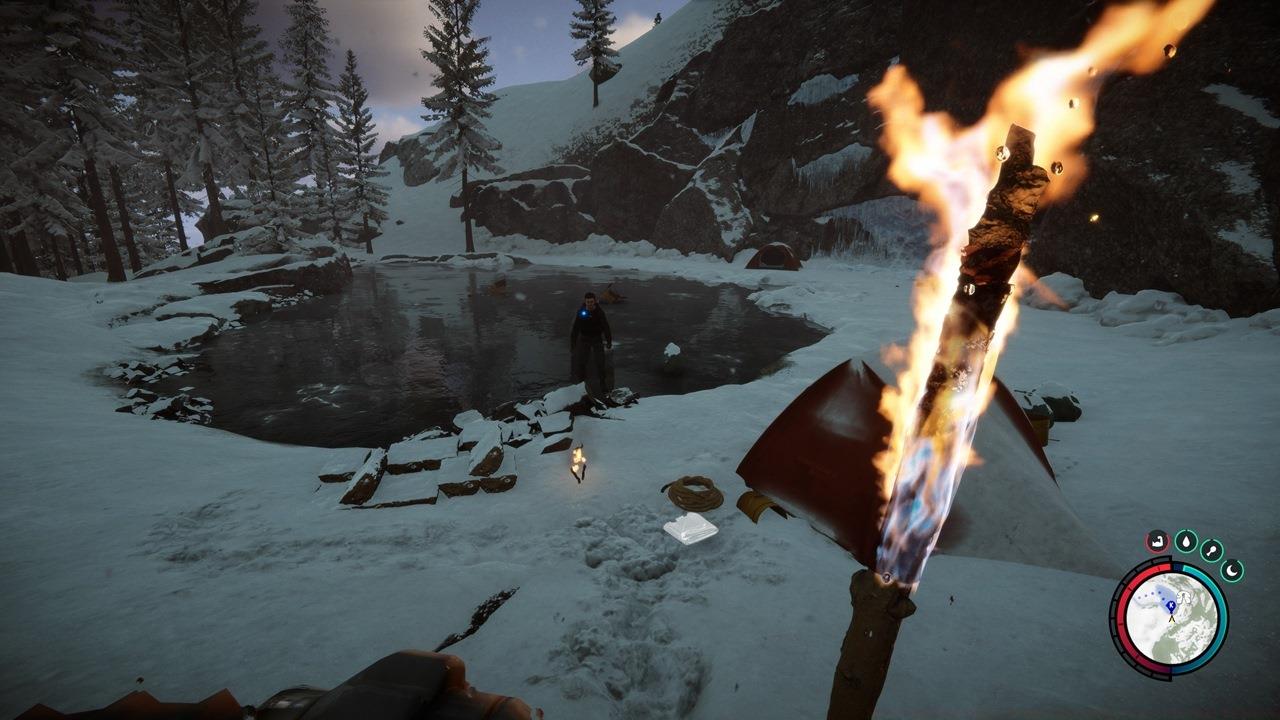
Maintain accessible heat sources to preserve stamina efficiency. The initial crash site proximity offers established shelter infrastructure for saving progress and recovery.
Mastering terrain navigation significantly enhances survival probability in Sons of the Forest. Waterways serve as natural pathways toward critical destinations, but require careful map interpretation skills for optimal utilization.
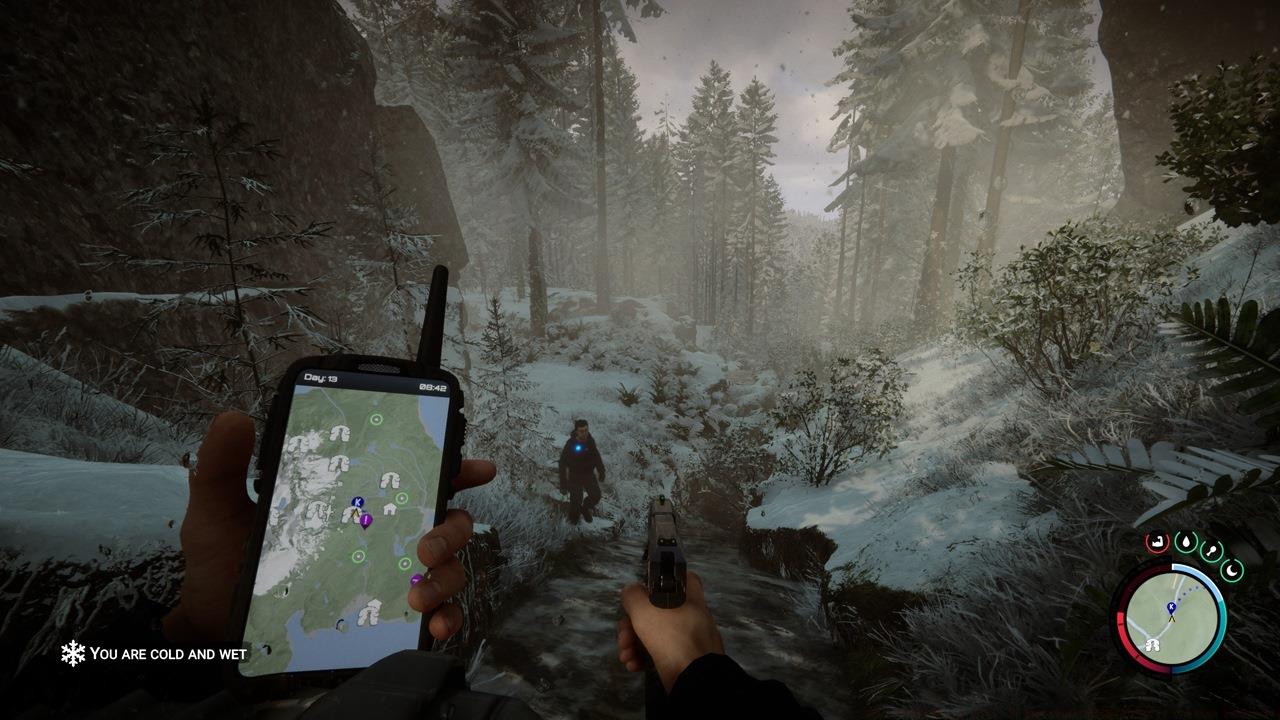
River systems provide relatively safe transit corridors to objective areas. Critical skill: Memorize distinctive map symbols as they indicate vital locations and resources.


Left: Advanced item synthesis through inventory interface manipulation; Right: Guide Book structural blueprint utilization methods.
Left: Advanced item synthesis through inventory interface manipulation; Right: Guide Book structural blueprint utilization methods.
Systematic crafting represents the foundation of sustainable survival. Prioritize creating illumination tools before advancing to complex structural blueprints.
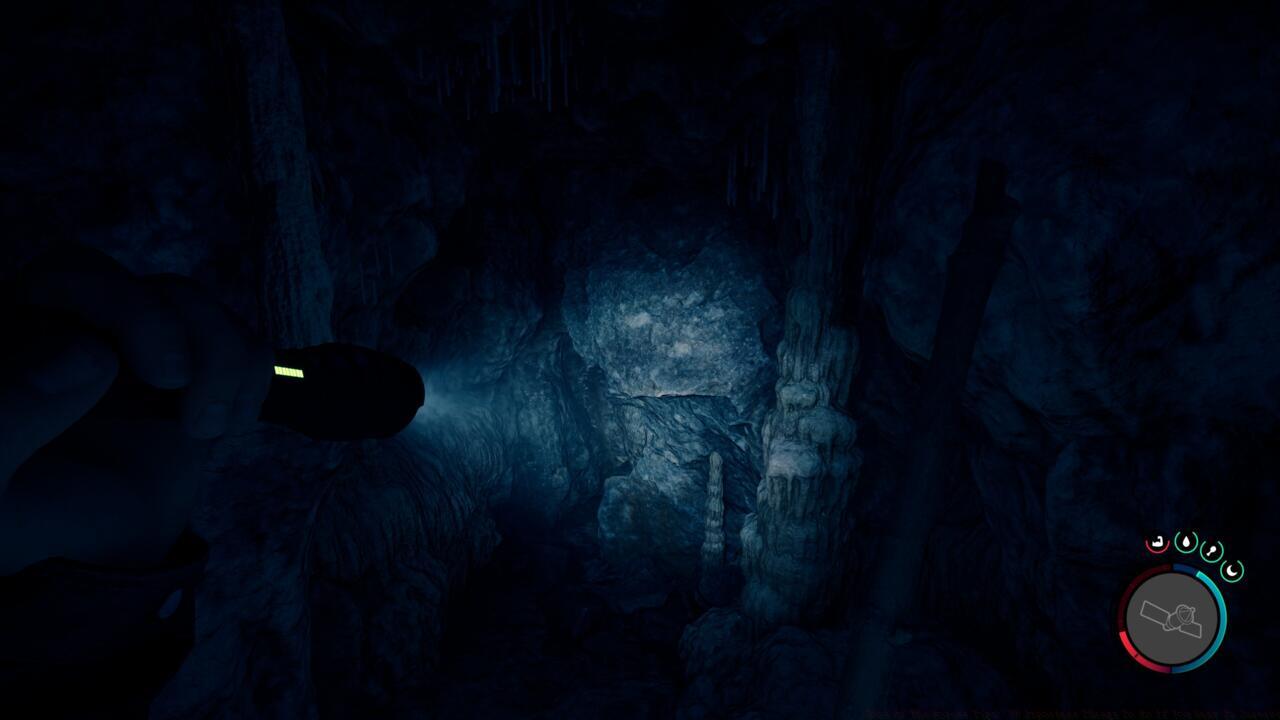
Both UV Lighters and Flashlights provide essential visibility in darkened environments. Strategic tip: Reserve battery-powered lights for critical situations while utilizing renewable torch sources for routine exploration.
Survival in hostile encounters demands calculated approaches rather than aggressive confrontation. Understanding risk assessment and defensive positioning often determines success more than combat proficiency.
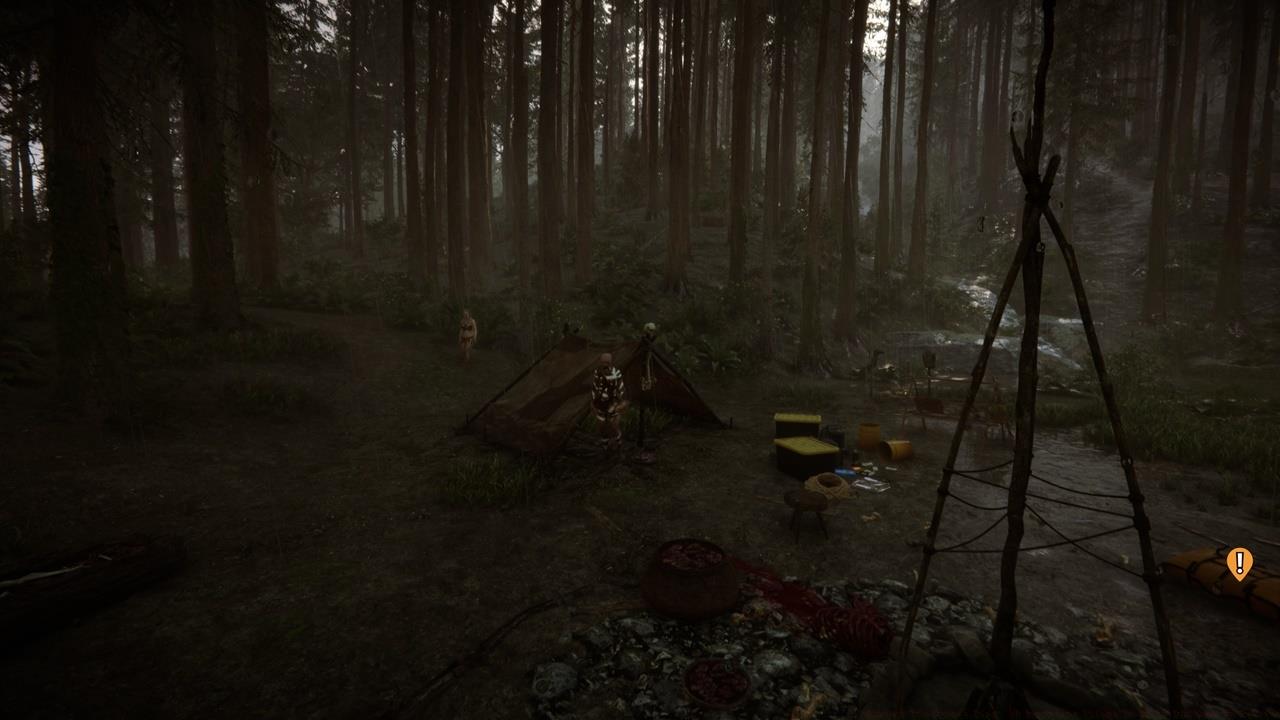
Complex situations require strategic disengagement rather than forceful resolution. Emphasize defensive survival over offensive tactics—premature character demise rapidly concludes your gaming experience.
Common beginner mistake: Underestimating enemy persistence and overcommitting to combat. Advanced strategy: Establish multiple escape routes before engaging hostile forces, and utilize environmental obstacles for defensive advantages.
Action Checklist
- Establish Kelvin at secure base location with construction assignments
- Prioritize water container acquisition for cave expedition hydration
- Implement meat cooking immediately after hunting to prevent spoilage
- Master map symbol interpretation for efficient point-of-interest navigation
- Craft emergency torches before exploring darkened areas
- Establish defensive escape routes before engaging hostile encounters
No reproduction without permission:SeeYouSoon Game Club » Sons Of The Forest Tips: 10 Important Things To Do If You Want To Survive Master survival essentials, resource management, and strategic combat in Sons of the Forest