
Essential analysis of Silent Hill F’s gameplay trailer with combat strategies and enemy breakdowns
Trailer Overview and Historical Context
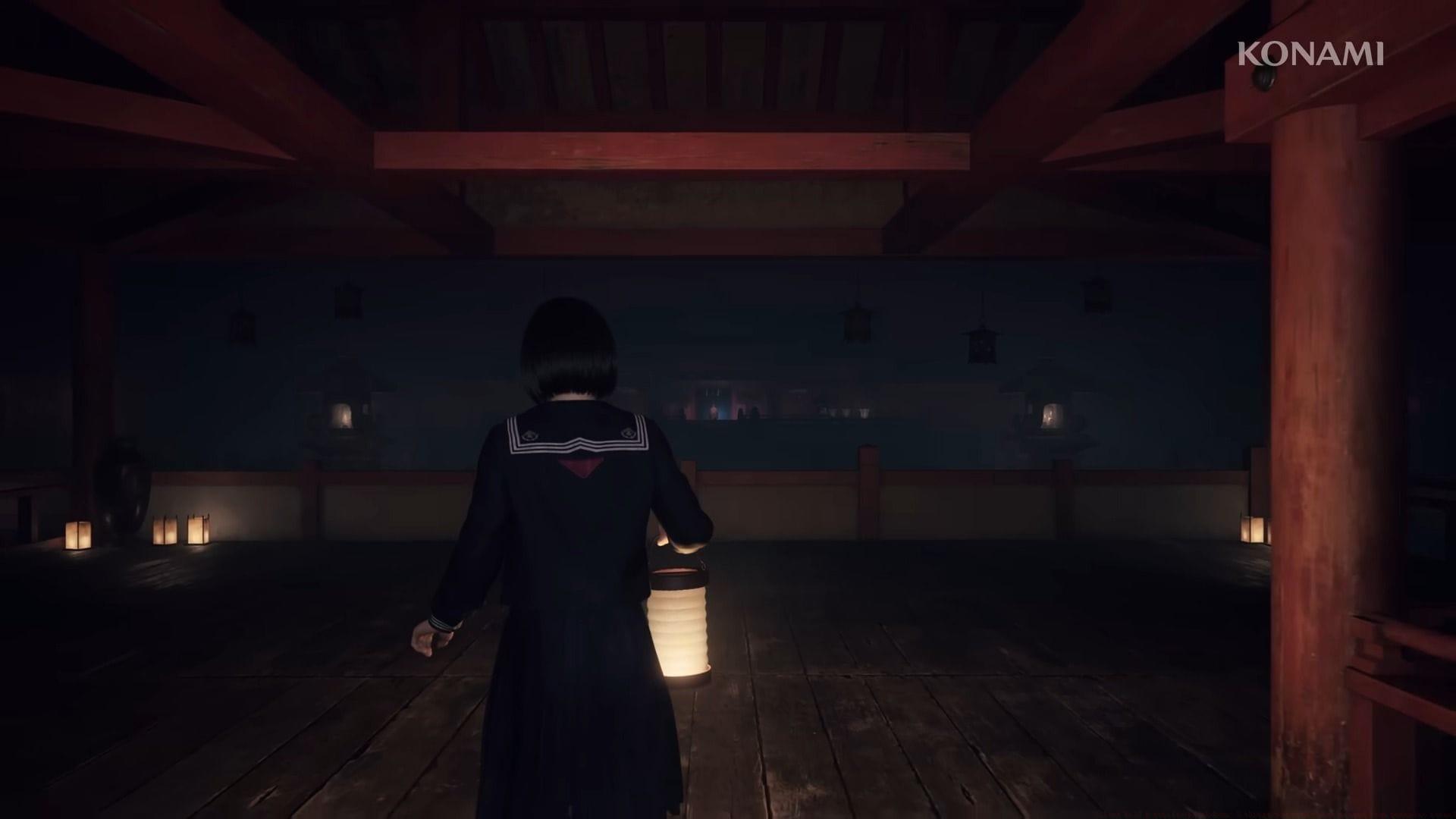
Sony’s June 2025 State of Play presentation gave us our first substantial look at Silent Hill F’s gameplay mechanics and atmospheric direction. This survival horror installment appears to be steering the franchise toward fresh territory while maintaining its psychological horror roots. The footage provides crucial insights into the game’s tone and environmental design, though many narrative elements remain deliberately obscured.
One of the most significant revelations places Silent Hill F during the 1960s era, specifically aligning with Alessa Gillespie’s 1969 birth year from the original game. This temporal positioning strongly suggests potential involvement from The Order cult, the central antagonistic force first introduced in Silent Hill 1. Historical context becomes particularly important here – the 1960s setting allows exploration of cult activities before the events of the first game, potentially showing The Order’s early development phases.
Also read: All video game announcements from PlayStation State of Play 2025: Silent Hill F, Nioh 3, and more
Combat Mechanics Deep Dive
While Silent Hill titles traditionally emphasize psychological tension over action intensity, combat remains an essential survival component. Unlike Resident Evil’s more robust arsenal systems, Silent Hill F appears to prioritize close-quarters melee engagements. The steel pipe emerges as the primary weapon throughout all demonstrated footage, suggesting a deliberate design choice to limit firearm availability.
The combat mechanics showcase satisfyingly weighty impacts when connecting with enemies using melee instruments. This heft creates a visceral feedback system that makes each strike feel consequential. For optimal combat effectiveness, players should master timing and spacing – the trailer indicates that mistimed swings leave significant recovery windows vulnerable to counterattacks.
Combat Strategy Tip: Position yourself at medium distance before engaging, then close in for quick combos before retreating. The steel pipe’s range limitations mean you’ll need to constantly manage engagement distance against faster enemies.
Avoid This Mistake: Don’t become overly aggressive with combos. The trailer shows that extended attack sequences can leave the protagonist exposed to flanking maneuvers from additional enemies.
Enemy Design Analysis
Silent Hill’s legacy of memorable creature design creates high expectations for Silent Hill F’s antagonist roster. The franchise’s iconic Pyramid Head set a formidable standard for psychologically resonant enemy design. Fortunately, the latest trailer demonstrates that the development team understands this legacy perfectly.
Mannequin-type enemies stand out as particularly terrifying creations, combining unsettling audio design with unpredictably jerky movements. Their twitching animations make targeting difficult while their rapid closing speed creates genuine tension. These enemies likely require strategic positioning and environmental awareness to defeat efficiently.
Scarecrow adversaries exhibit more humanoid forms while maintaining disturbing, irregular movement patterns clearly inspired by Jacob’s Ladder’s infamous hallway sequence. Their swaying, off-balance gait makes their attack timing difficult to predict, demanding careful observation before engagement.
The monstrous Sakuko mutation represents the trailer’s most grotesque design – a fleshy, distorted creature that embodies body horror themes. This boss-level enemy likely serves as a narrative-critical encounter, possibly connected to the infection’s origin or progression.
Advanced Tactics: Against mannequins, use environmental obstacles to break line of sight and force them into predictable paths. For scarecrows, wait for their attack animations to complete before counter-attacking during recovery frames.
Symbolism and Story Elements
Red spider lilies (Higanbana) maintain their symbolic prominence throughout Silent Hill F’s visual narrative, though with slightly reduced emphasis compared to earlier teasers. In Japanese cultural context, these flowers represent death, abandonment, and tragic loss. Their direct connection to the fog-borne infection suggests they may function as both environmental hazard and narrative device.
Protagonist Shimizu Hinako finds herself trapped in her Ebisugaoka hometown when the mysterious fog descends, infecting local residents. The trailer hints at deeper complexities through townspeople who appear to blame Hinako for their circumstances. This suggests either pre-existing tragedy involving the protagonist or her direct responsibility for the fog’s manifestation.
Ryukishi07’s involvement as writer guarantees a narrative steeped in psychological trauma, graphic violence, and profound tragedy. The When They Cry visual novel series author specializes in layered mysteries and brutal emotional payoff, suggesting Silent Hill F will feature complex character motivations and potentially multiple narrative interpretations.
Story Theory: The infection may represent metaphorical manifestation of Hinako’s guilt or trauma, with the fog physically transforming her psychological burdens. The 1960s setting could connect to family lineage curses or historical events haunting the present.
No reproduction without permission:SeeYouSoon Game Club » Silent Hill F trailer breakdown: 5 things you might have missed from gameplay reveal Essential analysis of Silent Hill F's gameplay trailer with combat strategies and enemy breakdowns