
A deep dive into Warzone’s most controversial items: Dead Silence and Heartbeat Sensors, with expert analysis and practical strategies.
Introduction: The Core Controversy
Today, we’re analyzing two of Warzone’s most divisive gameplay elements—the Heartbeat Sensor and Dead Silence—to determine whether they truly belong in a competitive battle royale environment.
Dead Silence and Heartbeat Sensors represent fundamental design conflicts in Warzone’s battle royale formula. These iconic Call of Duty items, while nostalgic, create persistent balance issues that undermine competitive integrity. This analysis examines their impact, community reception, and whether their continued inclusion serves the game’s long-term health.
Dead Silence debuted as a premium Perk in 2007’s groundbreaking Call of Duty 4: Modern Warfare, with the Heartbeat Sensor following in Modern Warfare 2 two years later. While these items caused minimal disruption in traditional multiplayer modes, their transition to Warzone’s battle royale format revealed significant design flaws. Since Warzone’s March 2020 launch, both pieces of equipment have sparked continuous debate within the community. Their problematic nature stems from how they grant disproportionate advantages that can determine match outcomes independently of player skill. These items not only encourage passive playstyles but also create accessibility barriers for players who cannot secure loadout drops. Let’s examine each item’s specific issues.
Dead Silence – The Silent Assassin Problem
 Activision
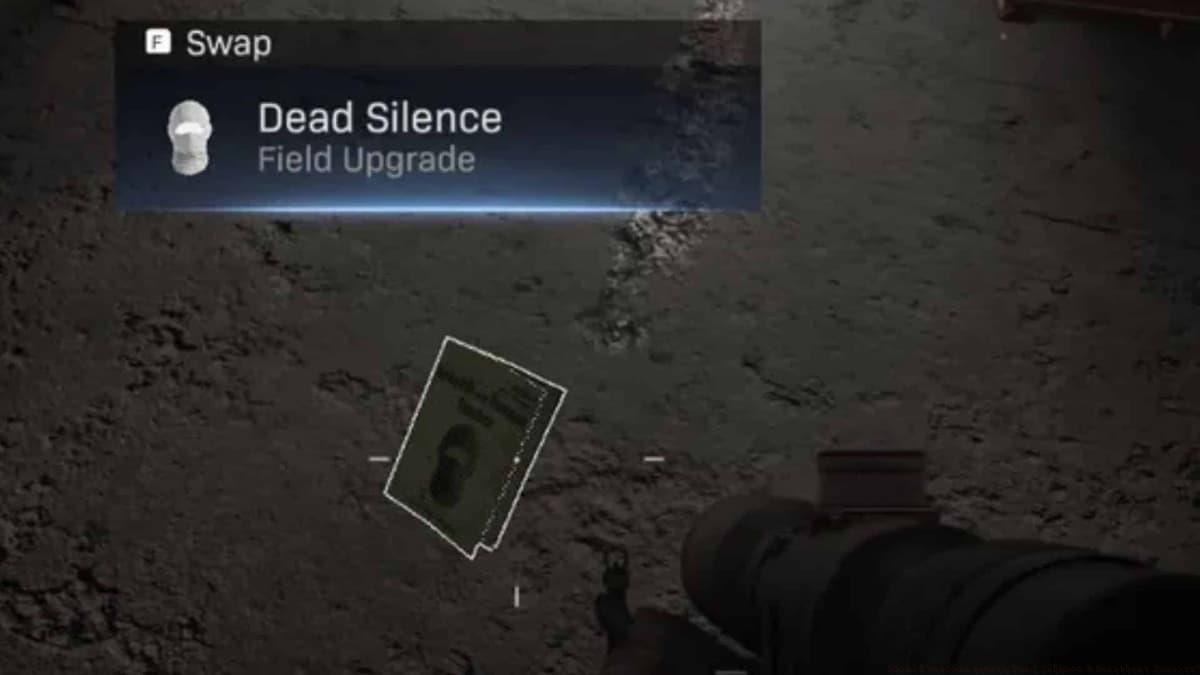
Dead Silence field upgrades appear frequently as ground loot throughout Caldera.The primary defense for keeping Dead Silence argues it’s merely a temporary enhancement aligning with Warzone’s randomized loot philosophy since it cannot be equipped in permanent loadouts. However, this perspective overlooks its disproportionate impact compared to similar items. Warzone’s original Verdansk map featured Stopping Power rounds—another powerful pickup that significantly increased weapon damage. Crucially, Stopping Power required players to maintain accuracy and land shots to gain value, creating a skill-based utilization. Raven Software deemed this mechanic excessive and removed it from Caldera, raising questions about why Dead Silence survived similar scrutiny.
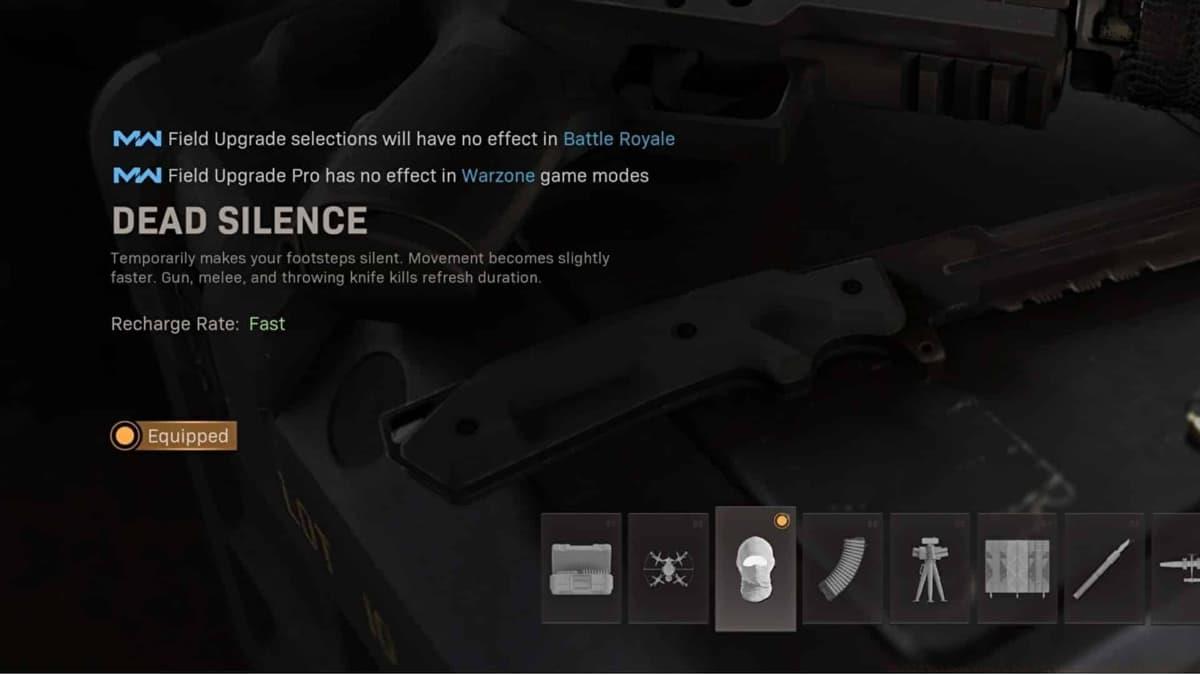
Activating Dead Silence grants complete audio stealth for a duration sufficient to execute multiple engagements. While optimal usage demands timing awareness, the ability itself provides near-uncontested offensive capabilities.
 Activision
When activated, Dead Silence makes your footsteps completely inaudible to opponents. The engagement sequence becomes simplistic: spot an enemy, activate the field upgrade, and execute an undetectable flank. From the defender’s perspective, unless they maintain constant 360-degree visual surveillance, counterplay options vanish. Technically, High Alert in the Perk 2 slot provides warning, but virtually no competitive player selects it over Ghost or Overkill given the prevalence of Heartbeat Sensors and UAVs. This creates a lose-lose defensive scenario.
Even professional players struggle against perfectly executed Dead Silence pushes. The mechanic’s overwhelming power has generated consistent removal requests from the community. Audio specialist Dr Disrespect has repeatedly emphasized: “It’s still something that we, all the players, don’t want in the game anymore. Two years later, how many times do we have to say we don’t want it, for it to still be in the game. It’s still in there!” Season One patch notes indicated nerfs including refresh-only-on-first-kill and reduced loot frequency, yet Caldera still features abundant Dead Silence drops. Raven Software faces mounting pressure to address this persistent community concern.
Practical Strategy Tip: When you hear Dead Silence activation audio cues nearby, immediately assume defensive positions in corners with clear visibility of entry points. Avoid open areas where silent flanks are most effective. Use tactical equipment like proximity mines or claymores to create audio triggers since visual cues disappear.
Heartbeat Sensors – The Information Overload Dilemma
 Activision
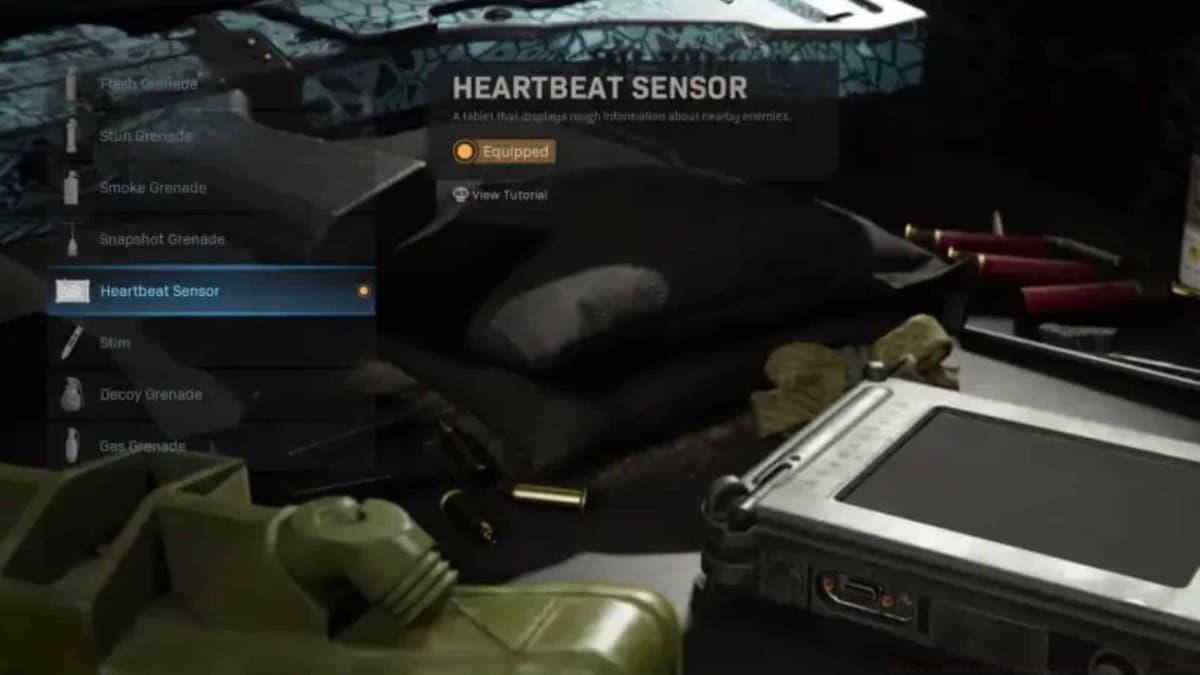
Heartbeat Sensors provide real-time enemy positioning within a substantial radius.Similar to Dead Silence, Warzone Pacific’s launch promised rebalanced Heartbeat Sensor functionality. These tactical tools offer instantaneous enemy detection within 50 meters for non-Ghosted opponents. Their quick deployment and continuous information stream create persistent balance issues.
Warzone has a new meta AR with insane range & TTK
This must-use Warzone Perk finally counters one-shot Sniper Rifles
Warzone streamers say the game is “dead” after CoD Next reveal
Warzone and Vanguard Season 1
introduced sensor adjustments that marginally reduced effectiveness, but like most initial nerfs, the changes proved insufficient. Developers typically implement minor tweaks—slightly increased recoil or minimal damage reduction—and the Heartbeat Sensor received a mere three-second increase between pings. In matches lasting up to 25 minutes, this adjustment becomes negligible. The Ghost Perk counters sensors but creates secondary problems. Mandatory Ghost selection eliminates other Perk 2 options, and players without it become permanently exposed. Snipers requiring secondary weapons typically choose Overkill, leaving them vulnerable to sensor detection throughout matches.
 Activision
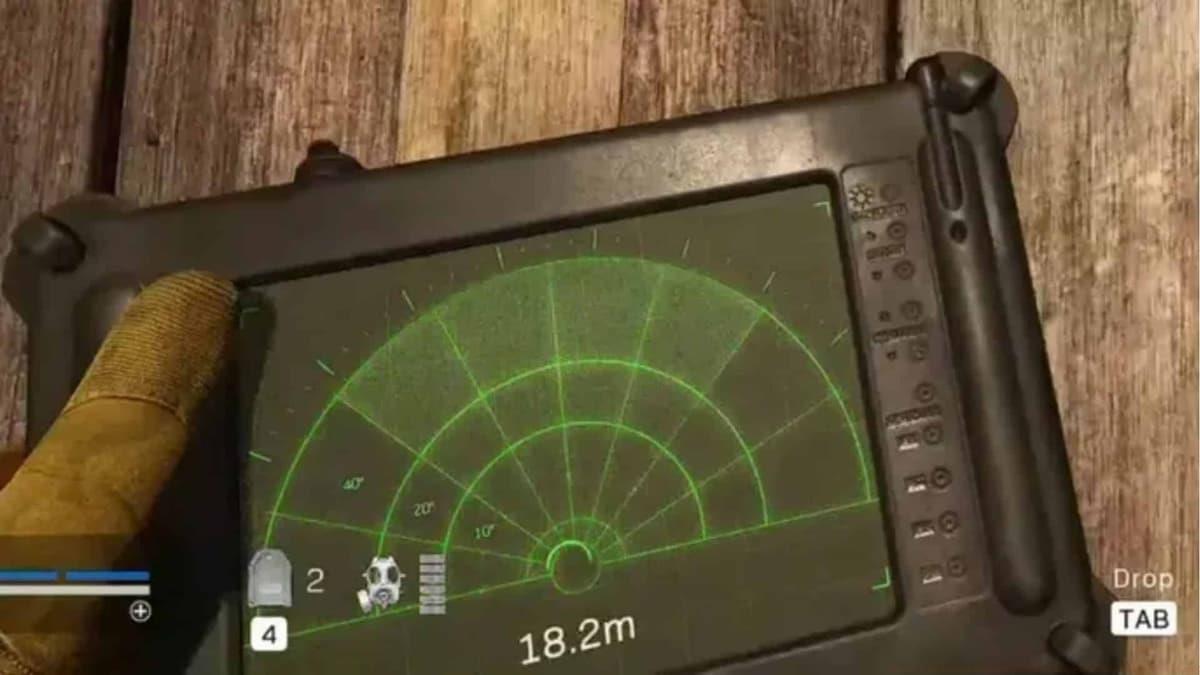
The increased ping interval fails to address the sensor’s core balance issues.Fairness concerns emerge across multiple scenarios. First, as ground loot, Heartbeat Sensors create early-game imbalances. Finding a powerful weapon doesn’t guarantee victory, but opponents typically have comparable firearms, creating symmetrical engagements. When one player possesses a sensor and their opponent doesn’t, information asymmetry creates overwhelming advantages. Combined with loadout drops unavailable until the first buy station event, sensor-equipped players dominate initial match phases. Adding Dead Silence to this equation often guarantees Gulag visits for unprepared opponents.
Consider this common late-game scenario: Player A achieves 5-10 eliminations before dying and winning a Gulag resurgence. Player B camps indoors throughout the match, constantly monitoring their Heartbeat Sensor. Player A returns during final circles with fewer than 30 opponents remaining. Without access to a secured loadout drop, they lack Ghost protection. Is it competitively justifiable that the respawning player becomes exposed to multiple simultaneous sensor scans?
Common Mistake to Avoid: Don’t assume Ghost makes you completely invisible. Experienced players use sensor pings as bait—they’ll watch for the “no detection” result to identify Ghost users. Vary your movement patterns after sensor checks, and consider using snapshot grenades to counter-camp sensor users.
The Perk Meta Conundrum and Player Choice
The current meta forces players into binary decisions that limit strategic expression. Most competitors feel compelled to select Ghost while simultaneously carrying Heartbeat Sensors as tactical equipment. This creates predictable, homogenized loadouts that undermine Warzone’s supposed customization depth. Fundamentally, battle royale shooters like Warzone and Apex Legends should prioritize gunplay proficiency as the primary victory determinant. Positioning and strategy should significantly contribute, but overpowered items and random loot drops contradict competitive design principles the Call of Duty community consistently advocates.
Optimization Tip for Advanced Players: Instead of defaulting to Ghost, consider running Overkill with a stealth secondary like the MP5 or MAC-10. Use the first loadout for your primary weapon combinations, then locate a second loadout or buy station to acquire Ghost later. This maximizes early-game lethality while addressing late-game sensor threats.
Potential Solutions and Game Design Alternatives
 Activision
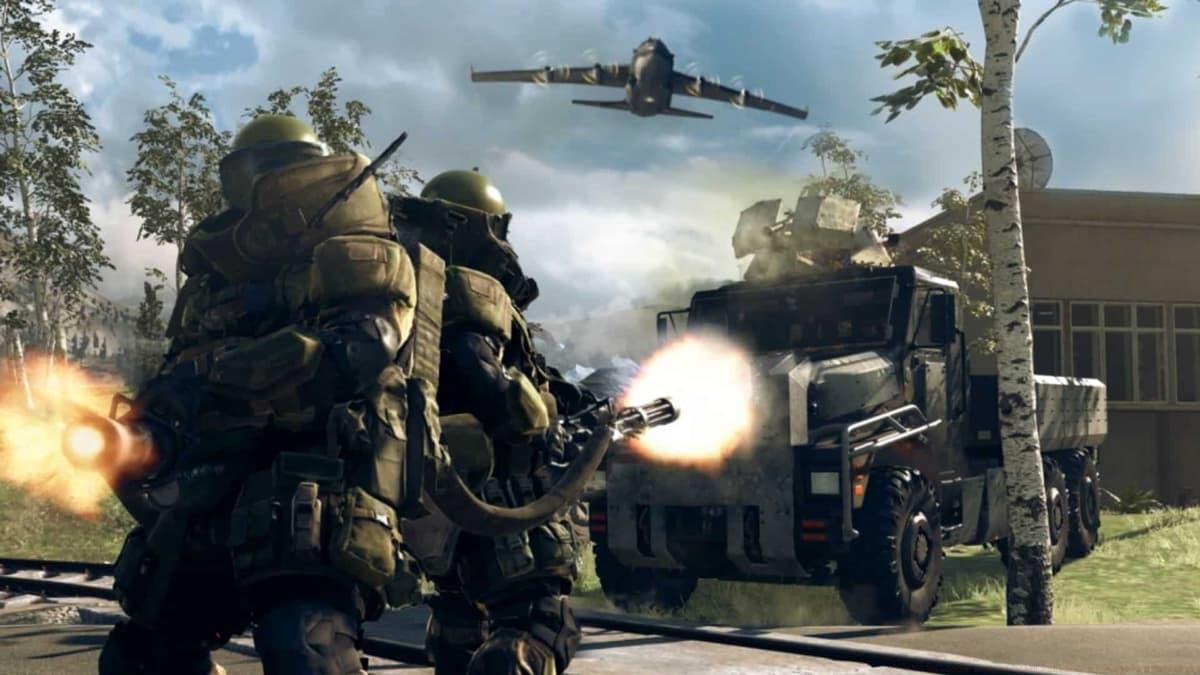
Caldera’s long-term reception may hinge on how developers address these persistent items.The path forward presents clear alternatives: either permanently remove problematic items or implement meaningful balancing solutions. Should developers introduce equally powerful mobility options like limited-use grappling hooks for escape opportunities? Could existing perks receive upgrades enabling “Enhanced Audio” that partially detects Dead Silence footsteps, creating risk-reward dynamics? Combat Scout previously revolutionized the Perk 3 category while making Cold-Blooded viable—similar innovation could address current issues. Perhaps Caldera could feature map-wide EMP events during final circles, disabling electronic equipment and ending technological camping advantages.
 Activision
Radical solutions might involve temporary power shifts rather than permanent advantages.
Community appeals for change have persisted since March 2020 with minimal developer response. Raven Software’s initial balancing attempts proved inadequate. How much longer must loyal players wait for substantive action on these long-standing issues?
Alternative Design Approach: Instead of removing items entirely, consider making Dead Silence audible but extremely quiet (90% reduction rather than 100%), and limit Heartbeat Sensors to 3-5 total pings per sensor. This maintains their identity while introducing resource management and counterplay opportunities.
No reproduction without permission:SeeYouSoon Game Club » Should Warzone remove Dead Silence & Heartbeat Sensors? A deep dive into Warzone's most controversial items: Dead Silence and Heartbeat Sensors, with expert analysis and practical strategies.