
Master Joe Musashi’s return in this definitive action platformer with combat strategies and expert movement tips
Game Overview and Legacy
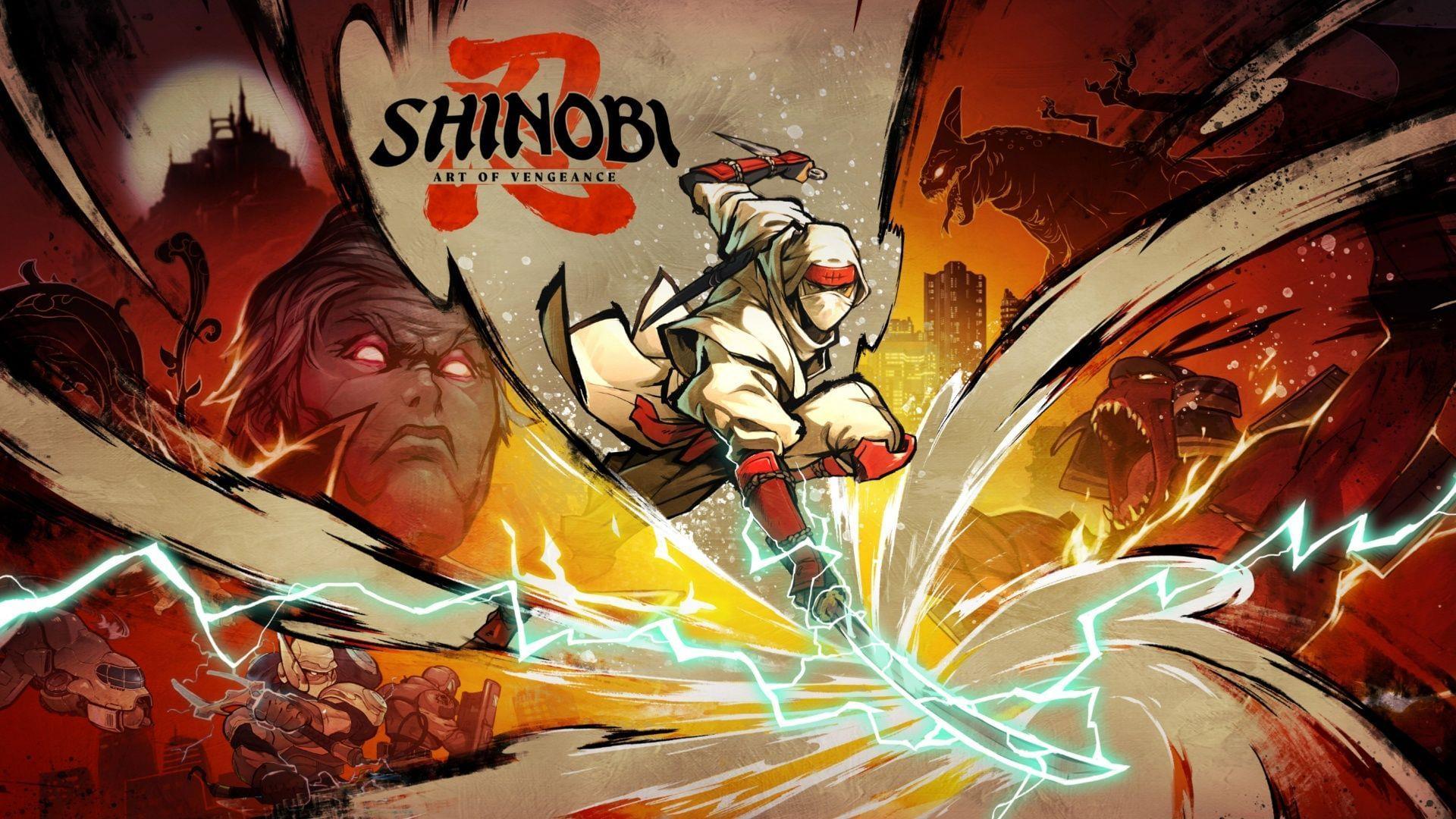
When Shinobi Art of Vengeance was announced for 2025, it sparked immediate excitement among classic gaming enthusiasts. As someone who cut their teeth on 80s arcade classics, the return of Joe Musashi represents more than just nostalgia—it’s a revitalization of precise action platforming that modern games often overlook. Having spent countless quarters on the original Shinobi cabinet and mastering Shinobi III: Return of the Ninja Master at friends’ houses, this release feels like coming home to refined fundamentals.
The core premise follows Joe Musashi, leader of the Oboro Clan, embarking on a global mission to dismantle Lord Ruse’s criminal network. What begins as a straightforward revenge story evolves into an epic journey across diverse landscapes, from surfing ocean waves to navigating treacherous mountain ranges aboard your massive canine companion. The variety in gameplay scenarios ensures monotony never sets in, with each stage introducing fresh mechanics and environmental challenges.
Combat System Mastery
The combat mechanics in Shinobi Art of Vengeance establish a new benchmark for side-scrolling action games. Joe’s arsenal begins with fundamental sword strikes and kunai throws but rapidly expands into a sophisticated combat system. The light and heavy attack combinations form the foundation, but the true depth emerges through advanced technique integration.
Attack canceling represents the system’s cornerstone—successful players learn to interrupt attack animations into evasive maneuvers or follow-up strikes. For instance, initiating with a dive kick, chaining into the heavy combo finisher (unlocked via Shop purchases), then canceling into an air dash allows repositioning while maintaining offensive pressure. This fluidity becomes essential against elite enemies who punish predictable patterns.
The pressure system introduces strategic depth without visual meter clutter. Specific moves generate invisible pressure buildup toward execution states. Heavy finishers, successful kunai hits, and perfect dodges all contribute to this hidden metric. Once sufficient pressure accumulates, any attack can trigger an instant execution—devastating finishing moves that eliminate standard enemies and significantly damage bosses. Learning which techniques generate optimal pressure becomes crucial for advanced play.
Ninpo techniques and special Ninjutsu provide situational advantages, from area denial to burst damage. However, these powerful abilities operate on cooldown systems, encouraging strategic deployment rather than spamming. The combat philosophy rewards precision and adaptability over brute force, creating satisfying skill progression as players master the system’s nuances.
Movement and Exploration
Navigation in Shinobi Art of Vengeance transcends basic platforming through an extensive mobility toolkit. Beyond standard running and jumping, Joe Musashi possesses double jumps, air dashes, wall climbing capabilities, and grappling hook deployment. This expanded movement suite enables both vertical and horizontal exploration previously impossible in classic entries.
The most challenging—and rewarding—aspects involve intricate movement puzzles scattered throughout stages. These environmental tests demand precise input sequences and thorough system understanding. Some require chaining air dashes between precarious platforms, while others involve timed wall runs across hazardous terrain. Though demanding, these puzzles remain fair—failure typically results from execution errors rather than design flaws.
Secret areas reward thorough exploration with permanent upgrades, cosmetic costumes (including the celebrated Sonic the Hedgehog inspired outfit), and additional kunai capacity. The most well-hidden sections often contain elite enemy encounters that test combat mastery alongside navigation skills. This integration of combat and platforming creates cohesive challenges that utilize the full spectrum of player abilities.
One notable complexity involves inconsistent invulnerability frames during evasion maneuvers. The dashing animation doesn’t always provide complete protection, creating situations where apparently successful dodges still result in damage. Advanced players learn to prioritize positioning over reliance on i-frames, using movement for prevention rather than reaction. This nuance separates competent players from masters.
Level Design and Atmosphere
Environmental diversity stands as one of Shinobi Art of Vengeance’s strongest attributes. Each location features distinct visual themes and gameplay mechanics. The Fish Market stage combines cramped corridors with vertical navigation across shipping containers, all illuminated by vibrant neon signage that creates both atmosphere and visual waypoints.
ENE Corp Laboratory presents stark contrast with sterile scientific aesthetics interrupted by unexpected supernatural elements. The atmospheric tension builds through environmental storytelling—damaged equipment and containment breaches hint at catastrophic experiments gone wrong. The audio design complements visual elements perfectly, with kunai impacts producing satisfying metallic clangs and wind currents generating authentic rushing sounds during glide sequences.
Technical performance remains impeccable across all platforms, with the PC version demonstrating flawless execution. Frame rates maintain consistency during intense combat scenarios with multiple enemies and complex particle effects. The visual presentation showcases Lizardcube’s signature attention to detail—every sword swing and special ability produces visually distinctive effects that maintain readability during chaotic encounters.
Stage variety ensures continuous engagement through the campaign. Maze-like complexes demand careful navigation and memory, puzzle-focused areas test problem-solving skills, and high-speed sequences aboard moving trains require lightning-fast reflexes. This deliberate pacing prevents gameplay fatigue while showcasing different aspects of the core mechanics.
Advanced Strategy Guide
Mastering Shinobi Art of Vengeance requires understanding several advanced techniques beyond basic gameplay. For combat optimization, prioritize unlocking the heavy attack combo extensions early—these not only increase damage but significantly boost pressure buildup toward executions. Against boss enemies, focus on moves that generate high pressure rather than raw damage, as execution states provide massive health reduction.
Movement efficiency separates skilled players from beginners. Practice air dash canceling into wall climbs to maintain momentum through complex platforming sections. During combat, use air dashes not just for evasion but for repositioning to enemy blind spots. Many attacks have limited tracking, making flanking maneuvers highly effective.
Boss encounters deliberately avoid predictable patterns, instead employing attack rotations with variable timing and sequencing. This design eliminates memorization-based strategies, requiring constant observation and adaptation. Successful boss tactics involve maintaining mid-range positioning to react to telegraphed attacks while preserving escape options.
Common mistakes include over-reliance on special abilities during minor encounters, leaving them unavailable for critical moments. Additionally, many players underestimate the importance of environmental interaction—breakable objects often contain health restoration or additional kunai. Exploration not only reveals secrets but provides essential resources for prolonged engagements.
For advanced players, challenge comes from optional objectives like defeating all Elite Squads and completing time trials. These pursuits test comprehensive system mastery and provide the game’s most demanding tests. The movement puzzles, while optional, offer some of the most satisfying accomplishments for dedicated players.
No reproduction without permission:SeeYouSoon Game Club » Shinobi Art of Vengeance review: 2025’s definitive action platformer Master Joe Musashi's return in this definitive action platformer with combat strategies and expert movement tips