
Master RoadCraft route creation with expert strategies, common mistake avoidance, and advanced optimization techniques
Understanding Route Fundamentals in RoadCraft
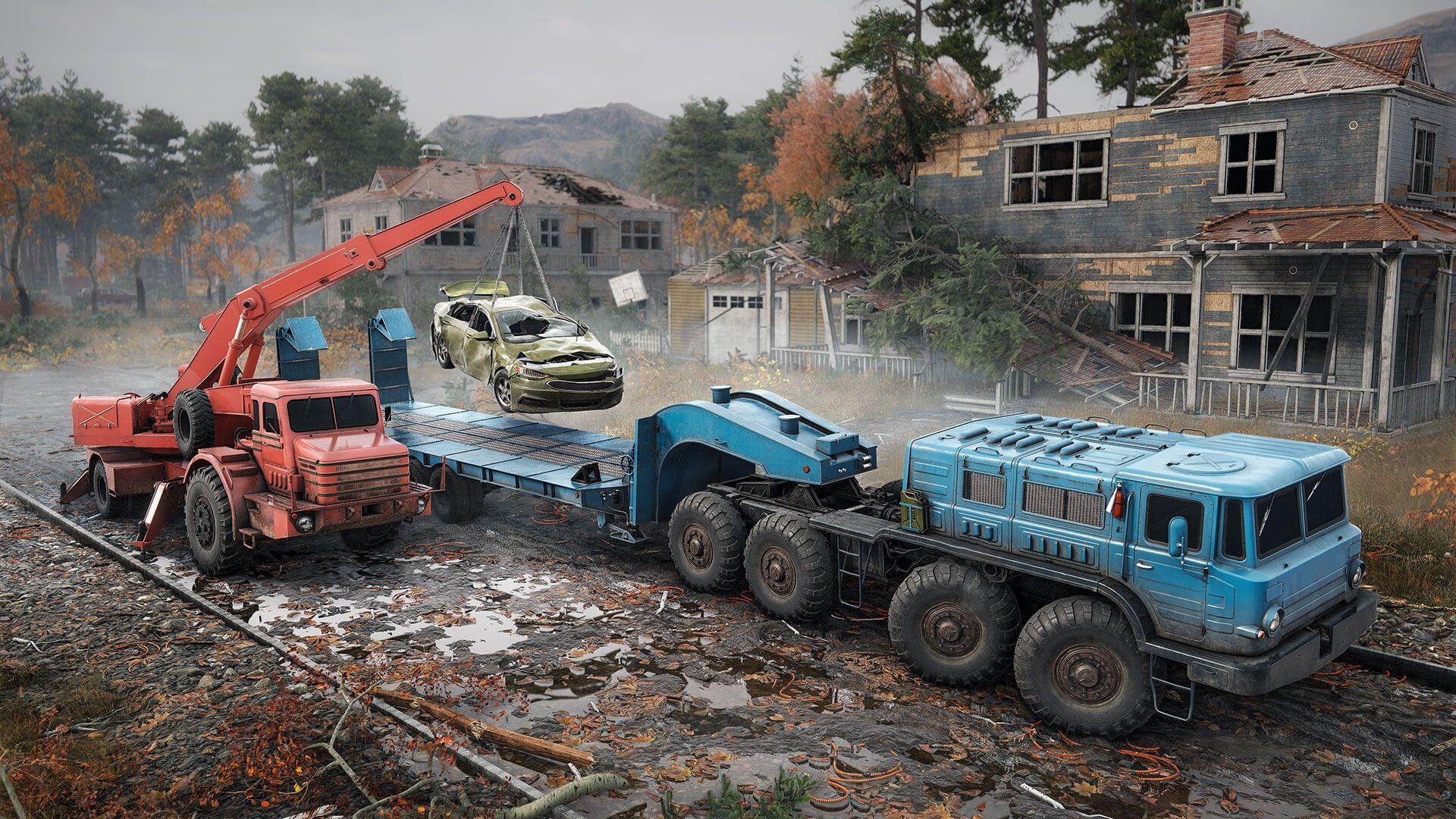
Building routes in RoadCraft represents a core gameplay mechanic that balances strategic planning with execution challenges. These automated pathways enable your convoy of non-drivable vehicles to transport vital resources from production facilities to your central base. As your settlement expands, you’ll encounter mission-critical scenarios demanding efficient route networks to sustain operations and advance through the game’s progression system. When vehicles encounter impassable obstacles, the system flags the route as compromised, necessitating complete reconstruction – a costly mistake in both time and resources.
Strategic Insight: Early-game route planning significantly impacts mid-to-late game efficiency. Routes that seem adequate initially often become bottlenecks as production scales. Consider future expansion when plotting initial pathways.
Route Planning and Obstacle Assessment
The most critical phase occurs before any waypoint placement. Comprehensive terrain analysis prevents the majority of route failures. You must systematically examine potential pathways for natural barriers including dense tree clusters, uneven terrain formations, rock outcroppings, and any topological features that could impede vehicle movement. Seasoned players recommend a three-stage scouting process: first, zoomed-out map analysis to identify general corridors; second, medium-level examination of elevation changes; third, close inspection of surface conditions.
Pro Tip: Utilize the game’s time acceleration feature during scouting missions. This allows you to simulate different weather conditions and visibility scenarios that might affect route viability. Many players overlook how fog, rain, or snow accumulation can transform passable terrain into hazardous zones.
Common scouting mistakes include focusing solely on the shortest path rather than the safest, neglecting to check for seasonal terrain changes, and failing to account for future obstacle growth (like expanding vegetation). Always scout at least two alternative pathways to maintain operational flexibility when primary routes fail.
Route Construction Execution
Once you’ve identified optimal pathways, route construction begins with strategic waypoint placement. Click on the initial white marker near your resource production facility, then systematically place subsequent markers along your scouted corridor. The connection lines you draw between waypoints should follow natural terrain contours while minimizing sharp turns that reduce transport efficiency.
Construction Best Practice: Space waypoints approximately 20-30 meters apart in clear terrain, but reduce spacing to 10-15 meters in complex areas requiring precise navigation. This density balance provides sufficient guidance points without overwhelming the route system with unnecessary complexity.
Validation occurs through the dispatch vehicle testing protocol. Select the appropriate vehicle type for your route (larger vehicles require wider, more stable pathways), then observe their traversal in real-time. Successful completion shows smooth, uninterrupted movement from origin to destination. Many advanced players recommend testing with multiple vehicle types if the route will service varied convoy compositions.
Related Reading: RoadCraft: Release date, platforms, and system requirements
Advanced Route Management
When vehicles encounter obstruction points, immediate diagnostic action is required. First, identify the specific obstacle type causing the failure. Second, assess whether removal, route modification, or complete reconstruction represents the most resource-efficient solution. The game provides robust editing tools allowing waypoint adjustment, connection line redrawing, or complete route clearance and restart.
Troubleshooting Protocol: 1) Pause vehicle dispatch immediately to prevent resource waste. 2) Switch to route editing mode and examine the failure zone. 3) Determine if minor adjustments (adding a waypoint, smoothing a curve) can resolve the issue. 4) If not, clear the compromised segment and rebuild with enhanced obstacle avoidance.
Advanced route optimization involves creating parallel pathways for critical resource lines, establishing maintenance checkpoints along lengthy routes, and implementing failover systems that automatically reroute vehicles when primary paths become blocked. These sophisticated networks separate novice players from experienced logistic strategists.
Further Exploration: Is RoadCraft cross-platform?
Pro Tips and Optimization Strategies
Efficiency Maximization: Design routes with minimal turning angles – vehicles maintain higher speeds on straightaways. Consolidate resource collection points where possible to reduce total route mileage. Implement scheduled maintenance periods when vehicle traffic is naturally lower.
Resource Conservation: Reuse successful route segments when expanding networks. Deconstruct failed routes immediately to recover construction materials. Plan routes during daylight hours for better visibility and reduced failure rates.
Long-Term Planning: Create modular route systems that can expand organically with your base. Document successful route designs in a dedicated log for future reference. Establish priority rankings for different resource types, with critical materials receiving the most robust and redundant routing.
Additional RoadCraft Resources:
No reproduction without permission:SeeYouSoon Game Club » RoadCraft: How to make routes Master RoadCraft route creation with expert strategies, common mistake avoidance, and advanced optimization techniques