
Master RoadCraft’s challenging terrain with expert strategies for construction simulation success
Game Overview and Core Mechanics
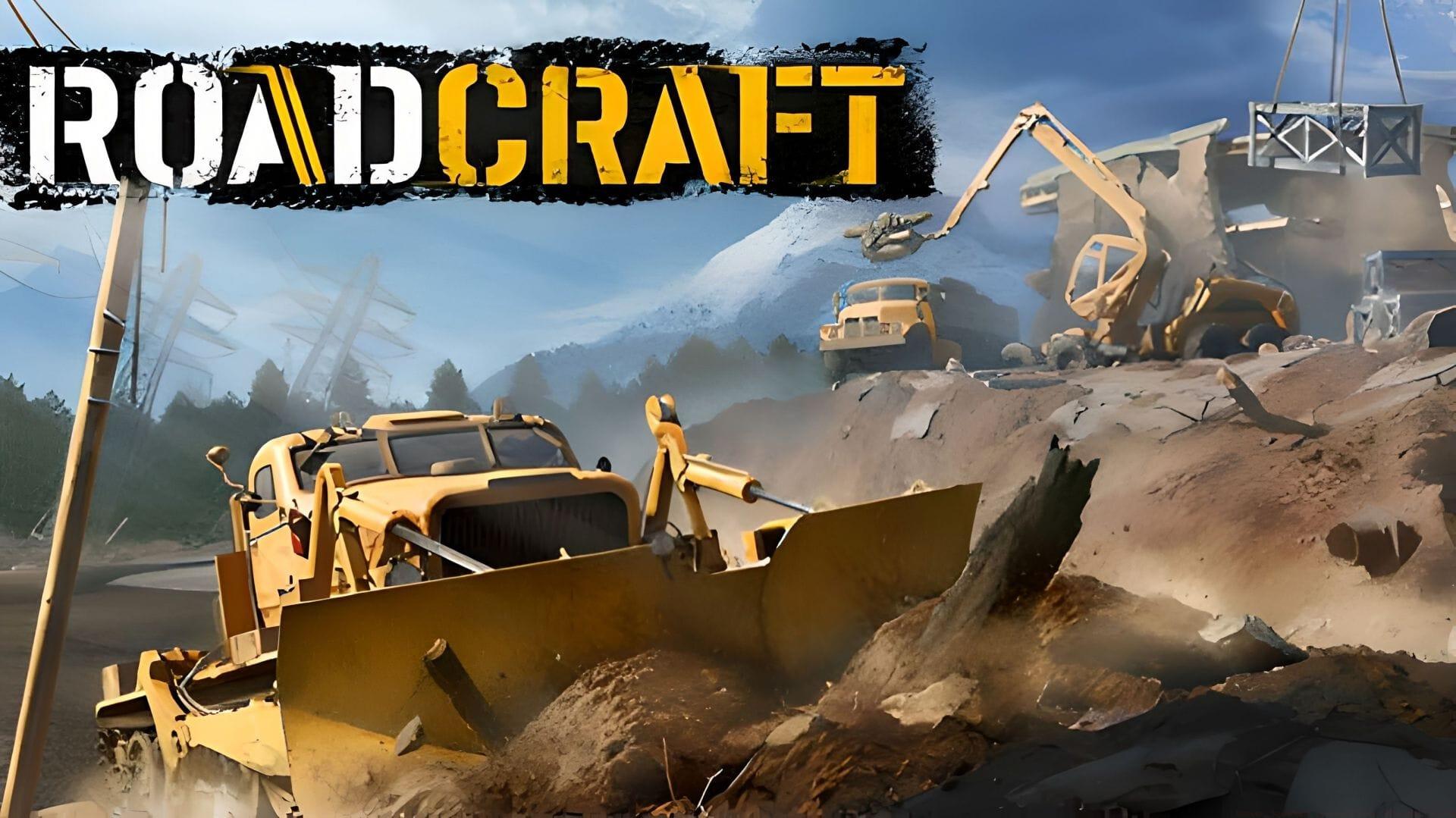
Saber Interactive continues their legacy of exceptional vehicle simulation games with RoadCraft, building upon their expertise from SnowRunner and MudRunner. This latest offering has rapidly gained popularity, surpassing player counts of its predecessors within weeks of release. The game immerses players in construction company management where rebuilding disaster-stricken infrastructure becomes your primary mission. RoadCraft distinguishes itself through meticulous attention to realistic vehicle physics and environmental interactions that challenge even seasoned simulation veterans.
The initial setup process establishes your construction company identity through naming and selecting from two foundational vehicle types. Unlike narrative-driven titles, RoadCraft emphasizes environmental storytelling through its disaster recovery premise. Players encounter eight distinct geographical regions, each presenting unique reconstruction challenges following various natural disasters. The core gameplay loop involves strategic resource gathering, road construction planning, and precise transportation across treacherous terrain.
Strategic resource allocation proves crucial as you progress through different maps. While resources remain reasonably accessible, their efficient utilization determines mission success rates. Each of the eight chapters introduces progressively complex construction scenarios that demand careful planning and execution. The satisfaction derived from transforming destroyed infrastructure into functional road networks provides immense gratification, particularly after investing significant effort in planning and construction phases.
Critical strategy insight: Always survey the entire route before beginning construction. Identifying potential obstacles and planning alternative paths during the planning phase saves substantial time compared to encountering unexpected terrain challenges mid-mission.
Learning Curve and Control Mastery
RoadCraft adopts a minimal hand-holding approach, immediately immersing players in complex vehicle operations. The control scheme, while comprehensive, presents initial challenges through its extensive command repertoire. New players should anticipate spending their first several hours mastering the nuanced vehicle controls rather than focusing solely on construction objectives.
The interface design provides continuous access to keybinding references through persistent HUD elements, significantly reducing the learning curve. This thoughtful design choice allows players to reference controls without interrupting gameplay flow. However, the sheer volume of available commands requires gradual assimilation, particularly for players unfamiliar with heavy vehicle simulations.
Terrain navigation demands meticulous attention and patience. Attempting shortcuts typically results in vehicle immobilization or complete overturns, forcing mission restarts. The recovery system provides checkpoints that minimize frustration, but repeated recoveries significantly impact mission completion times. Advanced players recommend maintaining conservative speed limits and thoroughly scanning terrain ahead to anticipate potential hazards.
Common beginner mistake: Overestimating vehicle stability on inclined terrain. Always engage differential lockers before attempting steep inclines and maintain consistent, moderate throttle input to prevent wheel spin and loss of traction.
Control optimization tip: Customize your control scheme early, focusing on frequently used functions like winch deployment, differential locking, and transmission modes. Muscle memory development for these core functions dramatically improves operational efficiency during critical construction phases.
Realism Analysis and Gameplay Depth
RoadCraft presents a fascinating dichotomy in its realism implementation. The physics engine delivers exceptional authenticity in vehicle dynamics, terrain interaction, and load management. Each vehicle responds uniquely to different surface conditions, requiring adaptive driving techniques for mud, gravel, and paved surfaces. The attention to mechanical details like differential locking and transmission configurations demonstrates Saber Interactive’s commitment to automotive authenticity.
However, several immersion-breaking elements undermine the otherwise meticulous simulation experience. Resource loading animations appear oversimplified, with materials magically appearing in vehicle beds rather than showing realistic loading processes. The absence of fuel consumption mechanics and vehicle damage systems represents significant omissions for a title emphasizing realism.
The vehicle roster includes over thirty specialized construction vehicles, yet customization remains conspicuously absent. Unlike SnowRunner’s extensive modification system, RoadCraft limits personalization to cosmetic liveries. This design choice prioritizes pure driving mechanics over vehicle progression systems, which may disappoint players accustomed to upgrade-based progression.
First-person perspective immersion suffers from the absence of driver hands on steering wheels, creating noticeable disconnect during cockpit view operation. The decision to exclude night driving conditions simplifies navigation but reduces environmental variety. These omissions feel particularly pronounced given the developers’ otherwise meticulous attention to vehicular authenticity.
Advanced technique: Master the art of weight distribution management. Proper load balancing significantly affects vehicle stability on uneven terrain. Distribute heavier materials toward the vehicle center and adjust speed according to load characteristics to prevent rollovers.
Target Audience and Final Verdict
RoadCraft unequivocally targets simulation enthusiasts who derive satisfaction from methodical, process-oriented gameplay. The experience demands considerable patience and rewards meticulous planning over impulsive action. Players accustomed to fast-paced gaming or brief session-based gameplay may find the deliberate pacing challenging.
The game excels in delivering authentic construction simulation through precise vehicle handling and environmental interaction mechanics. The satisfaction of transforming devastated landscapes into functional infrastructure provides unique gratification unmatched by most simulation titles. However, the absence of fundamental realism elements like fuel management and vehicle customization creates noticeable gaps in the overall immersion.
For dedicated simulation fans, RoadCraft represents a noteworthy addition to the construction simulator genre, particularly for those who prioritize driving mechanics over narrative progression. The game’s technical excellence in physics implementation compensates for its limited customization options and occasional realism inconsistencies.
Performance optimization recommendation: Adjust terrain detail settings based on your system capabilities. Higher settings provide better traction visualization but may impact frame rates during complex construction operations. Finding the right balance ensures smooth gameplay without sacrificing essential visual feedback.
Reviewed on: PC (Code provided by Saber Interactive)
Platform(s): PC, Xbox Series X/S, PlayStation 5
Developer(s): Saber Interactive
Publisher(s): Focus Entertainment Publishing
Release Date: May 20, 2025
No reproduction without permission:SeeYouSoon Game Club » Review: RoadCraft review: A bumpy ride worth taking Master RoadCraft's challenging terrain with expert strategies for construction simulation success