
Complete guide to Rainbow Six Operation Crystal Guard’s operator reworks, weapon balancing, and gameplay system changes
New Content Overview: Osa and Map Reworks
Rainbow Six Operation Crystal Guard brings substantial gameplay evolution beyond just the new Operator Osa and revised maps. The Y6S3 update introduces comprehensive modifications that will reshape competitive strategies across all skill levels.
Operation Crystal Guard delivers transformative content that extends far beyond surface-level additions. The complete game ecosystem receives adjustments designed to refresh the meta and encourage diverse operator selection in ranked matches.The season’s centerpiece arrives with
fresh tactical possibilities through Osa’s unique shield mechanics. These changes aim to disrupt established play patterns while maintaining competitive integrity. 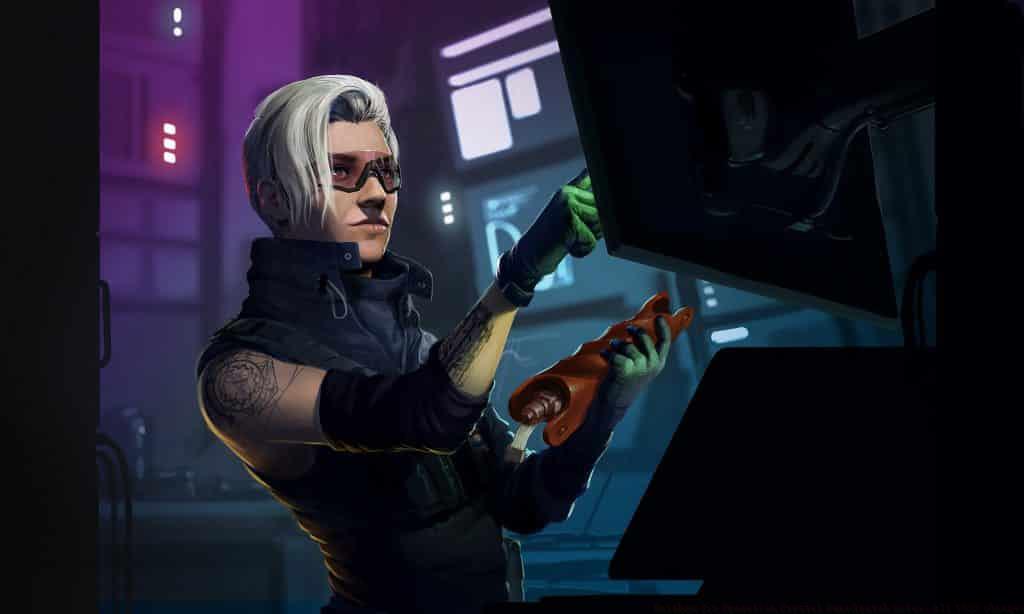 Osa introduces unprecedented flexibility in attacking formations with her deployable shields.
Osa represents the offensive shield operator many players have anticipated, providing mobile cover options for bomb site approaches and flank protection. Her tactical shields can be deployed and retrieved dynamically, creating temporary strongpoints during executes.
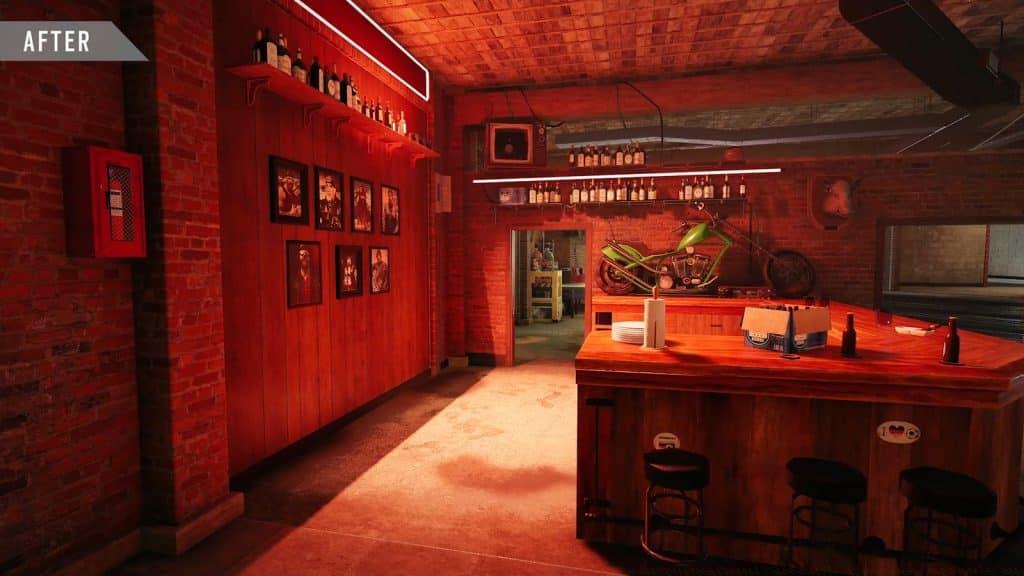
The map adjustments to Bank, Clubhouse, and Coastline focus on improving flow and reducing defender advantages in specific areas. Unlike previous major reworks, these changes represent targeted refinements rather than complete overhauls.
 Ubisoft
Clubhouse’s expanded Bar and Stock Room areas create additional rotation options for both attackers and defenders.
Operator Mini-Reworks: Twitch, IQ, and Fuze
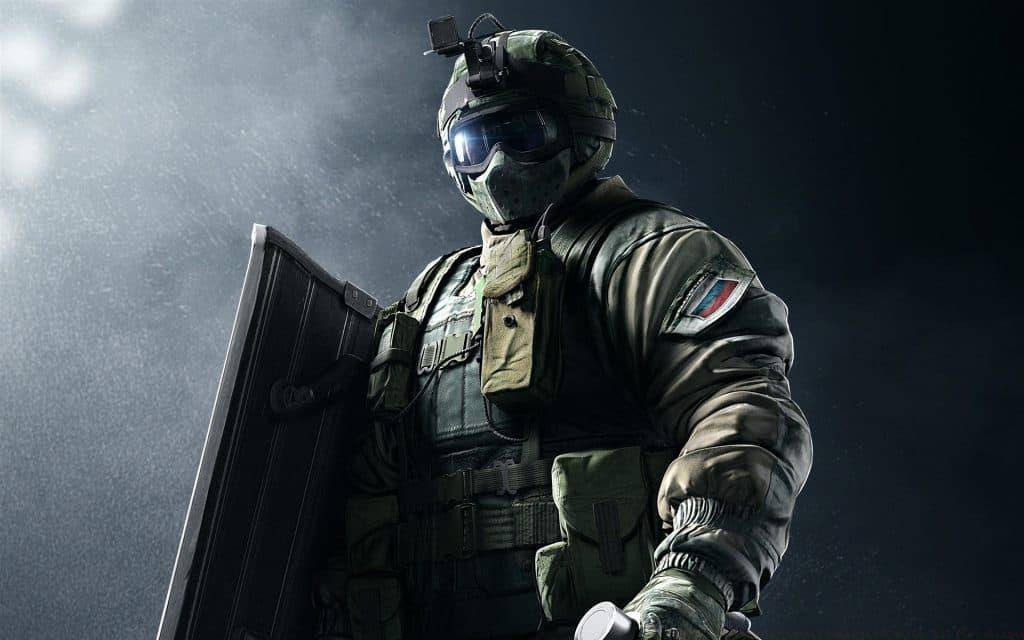
The operator adjustments in Operation Crystal Guard target underutilized attackers with meaningful gadget enhancements. Twitch’s transformation gives her increased drone utility during both preparation and action phases.
Twitch now operates with expanded reconnaissance capabilities, receiving a standard drone for initial scouting while retaining her two specialized Shock drones. The jumping mechanic addition dramatically increases her drones’ mobility, allowing them to access previously safe positions. More significantly, the electrical discharges now permanently destroy defender equipment rather than temporarily disabling it.
 Ubisoft
Fuze’s enhanced Cluster Charges now threaten defenders through reinforced walls, changing site setup strategies.
IQ’s scanner upgrade introduces revolutionary communication tools with smart ping integration. While using her Electronics Detector, operators can now highlight specific gadgets through walls using standard yellow pings. This eliminates the previous communication barrier where players struggled to describe hidden device locations accurately.
Fuze receives perhaps the most impactful change with his Cluster Charges gaining deployment capability on reinforced surfaces. Despite the three-second activation delay and vulnerability to counter-fire, this modification guarantees at least one explosive puck detonation. This transforms Fuze from a niche pick into a consistent threat against fortified positions.
- Can be deployed on reinforced surfaces and Mira’s Black Mirror
- Charges take longer (3s) to pass through reinforcements
- Reduced charge bounce after triggering
- Extension tube is now vulnerable to damage
- Added gadget light to signify phase of activation
- Added VFX for Cluster Charge triggering on soft walls and reinforced surfaces
- Added SFX for Cluster Charge triggering on reinforced surfaces
- Can use Ping 2.0 through walls
- Can ping operators with wearable electronic devices (Vigil, Counter-Defuser, etc.)
- Deals 5hp damage (from 1)
- Has infinite range
- Does not disable electronic devices
Balance Changes: Nerfs and Meta Shifts
Defender Mute and attackers Sledge and Iana undergo significant adjustments aimed at reducing their dominance in professional and ranked environments. These changes specifically target operators with consistently high pick rates.
Mute’s Signal Disruptor experiences a fundamental redesign in coverage area. The cylindrical disruption zone transforms into a spherical shape with identical radius, eliminating his ability to protect double reinforced walls simultaneously. This refocuses his role toward intelligence denial rather than hard breach prevention.
Sledge suffers a substantial weapon option reduction with the removal of his SMG-11 secondary. Widely considered the game’s most powerful sidearm, its replacement with the P226 Mk 15 handgun significantly impacts his close-quarters effectiveness during breaching operations.
Rainbow Six Siege Operator tier list (Y10S4)
All buffs and nerfs in Black Ops 6 & Warzone Season 6
Warzone Season 5 update patch notes
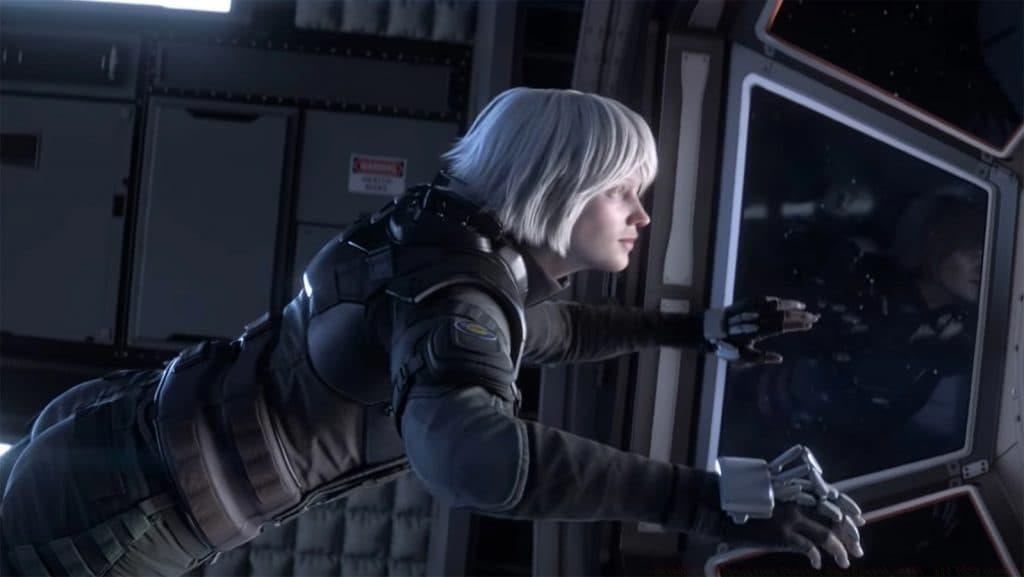
Iana’s engagement range capability undergoes reduction through scope removal from her primary weapons. The G36C loses its 2x scope while the ARX200 forfeits the 2.5x scope, forcing closer combat encounters.
 Ubisoft
Iana’s effective engagement distance decreases significantly with scope removal from her primary weapons. Additional modifications affect Finka, Glaz, and the AK-12 platform. Zofia players will appreciate the partial reversion of the M762 nerf, restoring some weapon controllability.
- Disruption zone shape changed to sphere with the same radius of 2.25m (from cylinder)
- Warning zone shape changed to sphere and radius reduced to 4.75m (from cylinder, 6m radius)
- Added AoE VFX (red area removed)
- Added new LEDs
- Improved accuracy of bullet collision
Weapon and System Overhauls
Operation Crystal Guard implements comprehensive weapon system changes that standardize ammunition counts and damage profiles across categories. These adjustments create more consistent engagement experiences.
- Assault Rifles: 175 – 200 (nerf)
- LMG: 240 – 300 (neutral)
- SMG (primary): 170 – 200 (nerf)
- DMR: 100 – 140 (buff)
- Shotgun (primary): 49 – 60 (buff)
- Pistol: 70 – 115 (buff)
- SMG (secondary): 112 – 140 (neutral)
- Slug shotgun: 60 – 120 (neutral)
- Revolver: 45 – 60 (buff)
Damage drop-off curves receive standardization across primary weapon categories, creating predictable engagement distances. Suppressor attachments now apply a consistent 15% damage reduction across all applicable weapons.
The flash detection system undergoes complete revision for Ying’s Candela, Blitz’s shield, and stun grenades. The new calculation method considers environmental factors, explosion angles, and player orientation to determine flash duration while guaranteeing 100% effect application when affected.
Operator health systems transition from armor ratings to standardized HP values, with Rook’s plates providing temporary maximum HP increases. The HUD representation changes from circular to bar format for improved readability.
- 3-armor operators will have 125 HP
- 2-armor operators will have 110 HP
- 1-armor operators will have 100 HP
- Picking up Armor Plates will buff an operator’s maximum HP by 20 until the end of a round
- Any heals will heal up to this new maximum value for the duration of the round
Screen shake reduction represents a significant quality-of-life improvement, with complete removal from specific gadget explosions including Ela’s mines and Zofia’s concussion grenades.
- Ela’s GRZMOT Mines
- Zofia’s KS79 Lifeline concussion grenades
- Echo’s Yokai sonic bursts
- Nomad’s Airjab Launcher repulsion devices
Advanced Strategies and Common Mistakes
Adapting to Operation Crystal Guard’s changes requires strategic adjustments and awareness of common pitfalls. These advanced tips will help players maximize their effectiveness in the new meta.
New Operator Combinations: Pair Osa with operators who benefit from temporary cover. Montagne creates impenetrable frontlines while Thermite benefits from protected hard breach attempts. Fuze becomes viable with Hibana for coordinated wall destruction.
Twitch Adaptation: Use the standard drone during preparation phase to identify key utility, then deploy Shock drones during the action phase for destruction. The jumping capability allows accessing ceiling-mounted cameras and Evil Eyes previously out of reach.
Common Mute Mistakes: Avoid placing jammers in predictable floor locations. The spherical coverage change means elevated placements provide better area denial. Don’t attempt to cover double walls—focus on key entry points instead.
Ranked Play Adjustments: The weapon ammo changes require more disciplined shooting. Assault rifle users must conserve ammunition during extended engagements. Shotgun and pistol buffs make them more viable secondary options.
Flash System Mastery: The new flash detection means placement matters more than quantity. Angle flashes around corners and consider defender positions for maximum effect duration. The guaranteed 100% flash ensures consistent results when properly positioned.
These strategic adjustments, combined with understanding the underlying system changes, will provide competitive advantages in Operation Crystal Guard’s evolved gameplay landscape.
No reproduction without permission:SeeYouSoon Game Club » Rainbow Six Operation Crystal Guard patch notes: All Y6S3 changes Complete guide to Rainbow Six Operation Crystal Guard's operator reworks, weapon balancing, and gameplay system changes